RegulamentacaoBaixa
Canada wants to ban crypto ATMs as fraud fears turn Bitcoin access into a political target
Fonte: CryptoSlate
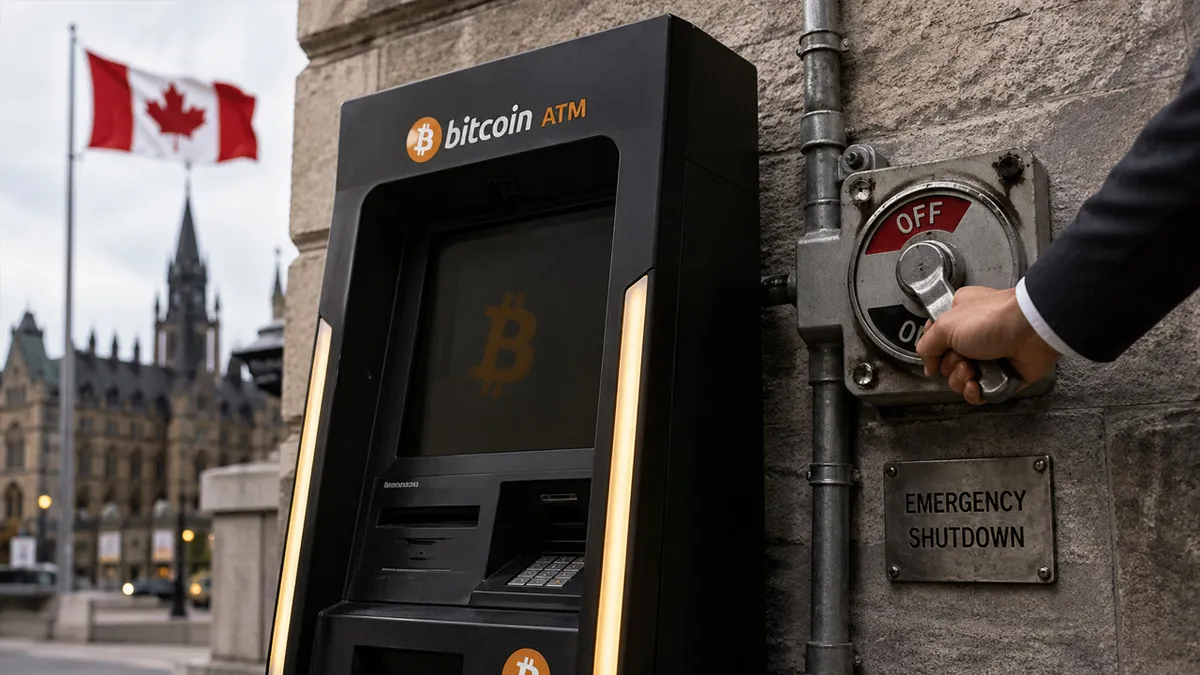
Canada is poised to take significant regulatory action against cryptocurrency ATMs, following growing concerns over fraud and illicit activities associated with these machines. The Canadian government is actively preparing to implement a ban on crypto ATMs, which have become a common sight since their introduction in 2013. Originally, these machines were heralded as a breakthrough in bringing cryptocurrency to the masses, allowing users to easily convert cash to Bitcoin without intermediaries. However, the recent surge in fraud cases linked to these ATMs has prompted lawmakers to reconsider their role in the financial ecosystem.
The introduction of the first crypto ATM in a Vancouver coffee shop marked a pivotal moment in the Canadian and global cryptocurrency landscape. Over the years, these machines have proliferated across the country, providing accessibility and convenience for cryptocurrency transactions. However, as their popularity has grown, so too have reports of various scams, including money laundering and fraudulent schemes targeting unsuspecting users. This backdrop of rising fraud has intensified scrutiny from regulators who are now questioning the safety and legitimacy of these machines in their current form.
This potential ban is significant for the broader cryptocurrency market, especially considering Canada’s historical role as a pioneer in crypto accessibility. The move could set a precedent for similar regulations in other jurisdictions, potentially stifling innovation and access to cryptocurrencies at a grassroots level. Investors and enthusiasts may view this as a concerning trend, as it reflects a growing apprehension among governments about the unregulated nature of cryptocurrencies and their associated risks. The implications of such a ban could lead to decreased adoption and a chilling effect on the development of cryptocurrency infrastructure.
Industry experts and stakeholders have already begun to voice their concerns regarding the proposed ban. Many believe that while addressing fraud is crucial, outright bans may not be the best solution. Instead, calls for a more regulatory framework that ensures consumer protection while maintaining access to crypto ATMs have emerged. The debate has highlighted the need for a balanced approach–one that safeguards users from scams without stifling the burgeoning cryptocurrency economy.
Looking ahead, the future of crypto ATMs in Canada hangs in the balance. As discussions continue, stakeholders from various sectors, including technology, finance, and policy, will need to engage in dialogue to shape a regulatory environment that promotes security while encouraging innovation. The outcome of this situation could significantly influence not only the Canadian market but also set a standard for how cryptocurrencies and related technologies are regulated globally. The coming months will be crucial in determining the fate of crypto ATMs and their role in the evolving financial landscape.

Em nossas analises:
Quer receber as noticias primeiro?
Siga nosso canal no Telegram – publicamos noticias importantes e analises.
Seguir o canal