MercadoNeutro
Bitcoin miners pivot to AI is now an immediate risk to network security – but BTC revenue will still eclipse AI by over $4B
Fonte: CryptoSlate
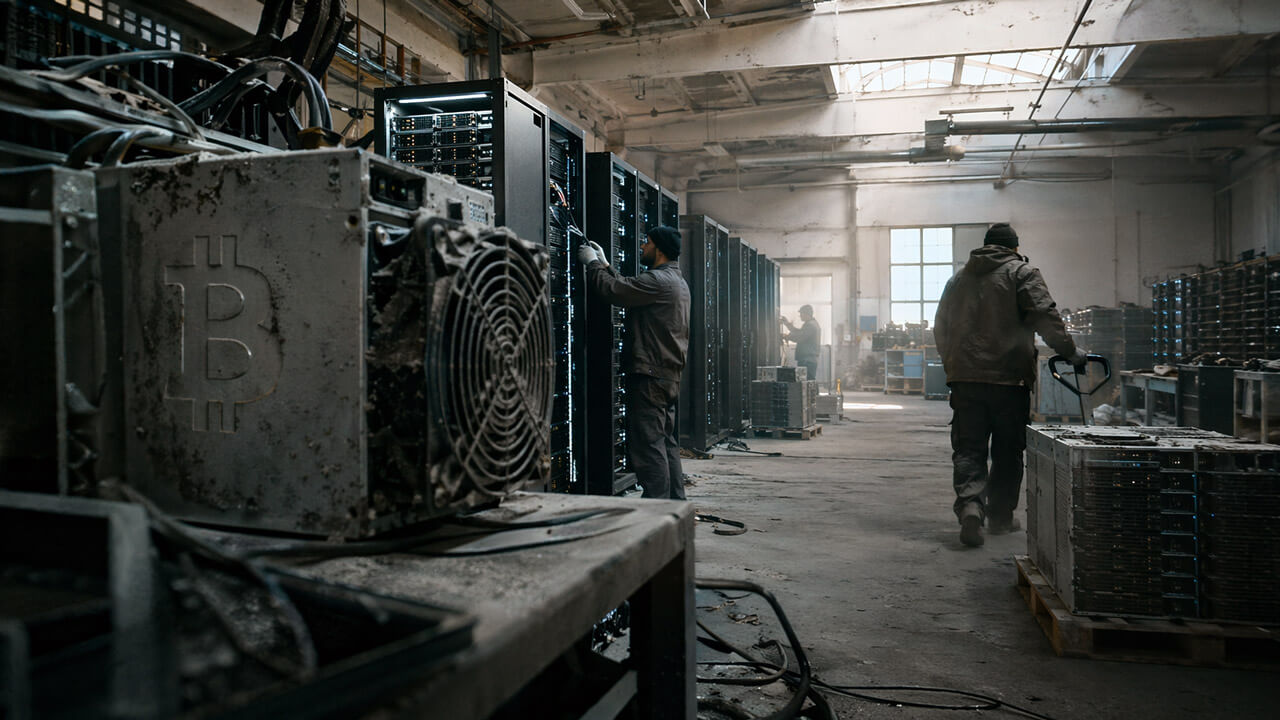
Bitcoin miners are increasingly shifting their focus toward artificial intelligence (AI) technologies, a move that raises immediate concerns about the security of the Bitcoin network. This pivot comes as miners seek to diversify their revenue streams in a landscape marked by fluctuating cryptocurrency prices and rising operational costs. The integration of AI into mining operations offers the potential for enhanced efficiency and profitability; however, it simultaneously introduces vulnerabilities that could be exploited, compromising the very security protocols that underpin Bitcoin. As miners allocate resources toward AI, questions arise regarding the future stability of the network and the implications for its decentralized nature.
To understand this shift, it is essential to consider the backdrop against which Bitcoin operates. Traditionally, Bitcoin mining has relied heavily on powerful hardware designed specifically for solving cryptographic puzzles, securing transactions, and maintaining the integrity of the blockchain. However, as the AI industry burgeons, miners recognize the lucrative opportunities that AI presents, prompting a strategic pivot. This transition is not merely a trend; it reflects the broader technological evolution where AI's potential intersects with blockchain, creating a landscape ripe for innovation but also fraught with risks.
The implications of this shift are significant for the cryptocurrency market at large. While the revenue generated from Bitcoin mining is projected to surpass that of the AI sector by over $4 billion, the prioritization of AI technologies could lead to a concentration of power among miners, potentially undermining Bitcoin's decentralized ethos. The reliance on AI might also expose the network to novel attack vectors and vulnerabilities that have not been encountered in traditional mining practices. As miners adapt to these changes, the balance between profitability and security will be a critical factor in determining the resilience of the Bitcoin network moving forward.
Industry experts have expressed mixed feelings about the miners' pivot to AI. Some view this as a natural evolution in the mining sector, where innovation is necessary to stay competitive and sustainable. Others, however, voice concerns about the potential risks associated with over-reliance on AI technologies, fearing that it could lead to centralization and diminish the trust that users have in Bitcoin's foundational security. The ongoing dialogue among stakeholders highlights the need for a careful evaluation of how these technological advancements can coexist with the core principles of decentralization and security that define Bitcoin.
Looking ahead, the future of Bitcoin mining in the context of AI integration remains uncertain. As miners continue to experiment with AI, the industry will need to address the security implications while striving to maintain the decentralized nature that attracts users to Bitcoin in the first place. The potential for innovation is immense, but the stakes are equally high. Policymakers, miners, and the broader crypto community will need to engage in discussions to navigate this evolving landscape and ensure that Bitcoin can thrive without compromising its foundational security.
CM
Equipe CoinMagnetic
Investidores em cripto desde 2017. Investimos nosso proprio dinheiro e testamos cada corretora pessoalmente.
Atualizado: abril de 2026
Em nossas analises:
Quer receber as noticias primeiro?
Siga nosso canal no Telegram – publicamos noticias importantes e analises.
Seguir o canal