MercadoNeutro
Bitcoin falls as traders cut risk ahead of FOMC: Will TradFi, spot ETF volumes bolster $70K support?
Fonte: Cointelegraph

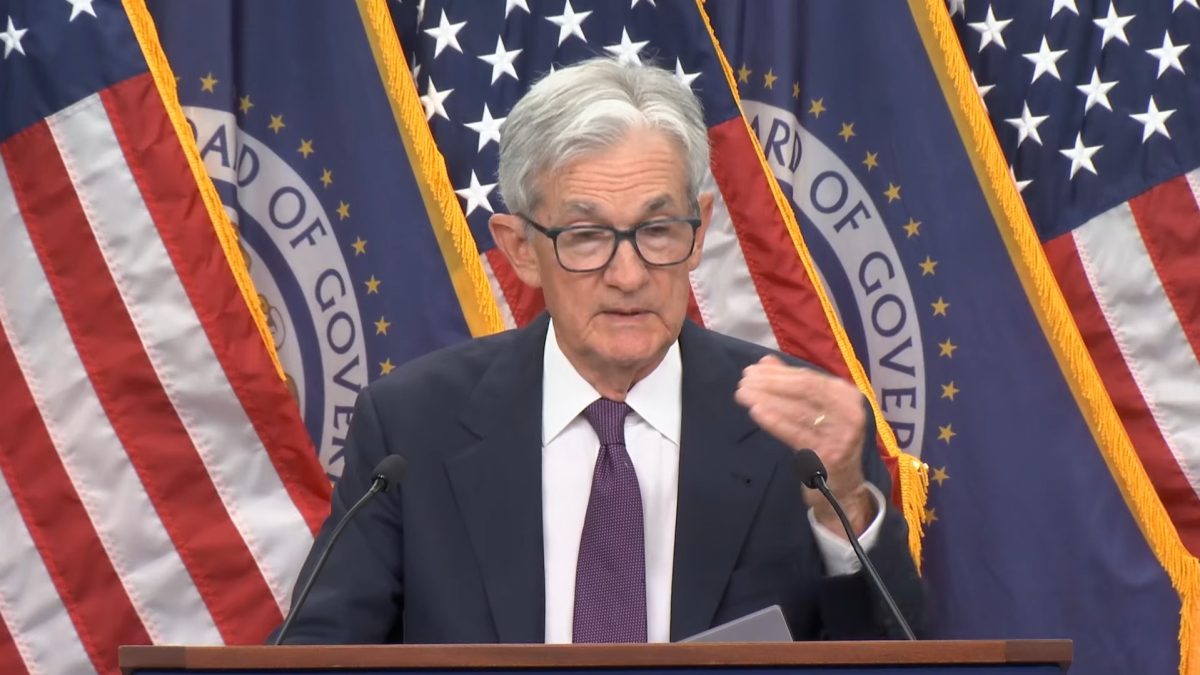
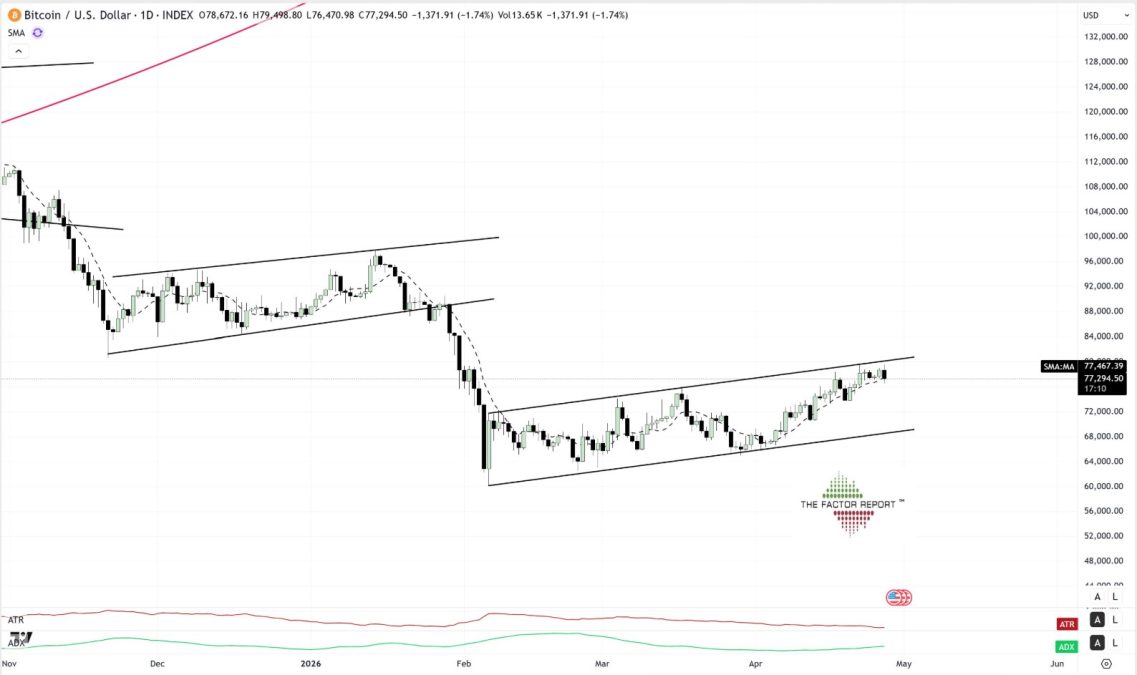
Bitcoin's price has experienced a notable decline as traders adjust their positions in anticipation of the upcoming Federal Open Market Committee (FOMC) meeting. This pattern of volatility is not new; historically, Bitcoin sees increased price fluctuations both before and after these pivotal meetings. As speculation mounts about potential interest rate changes and their implications for the broader financial landscape, traders are weighing their options, leading to a cautious sentiment in the market. Currently, Bitcoin is hovering around the crucial support level of $70,000, a threshold that many investors are closely monitoring.
To provide context, the FOMC meetings serve as significant markers in the financial calendar, influencing not only traditional markets but also cryptocurrency dynamics. Investors often reassess their risk exposure during these periods, particularly in response to the economic signals that the Federal Reserve communicates regarding interest rates and inflation. The current macroeconomic climate, marked by rising inflationary pressures and shifts in monetary policy, has created a complex backdrop for Bitcoin traders. The interplay between traditional finance (TradFi) and the crypto space is becoming increasingly pronounced, especially as institutional interest in Bitcoin appears to be on the rise.
The implications of this current situation for the cryptocurrency market cannot be overstated. If institutional investors continue to accumulate Bitcoin, there is a possibility that the $70,000 support level could hold firm, providing a buffer against further declines. On the other hand, if the market sentiment turns bearish and selling pressure intensifies, we could see a breach of this critical support. The behavior of institutional investors, particularly in relation to spot Bitcoin exchange-traded funds (ETFs), will play a crucial role in determining the trajectory of Bitcoin's price in the near future.
Industry experts are weighing in on the situation, emphasizing the importance of monitoring traditional market trends alongside cryptocurrency movements. Some believe that increased participation from institutional investors could lend stability to Bitcoin's price, while others caution that the current volatility is a natural part of the market cycle. The sentiment among analysts suggests a mix of optimism and caution–while many see potential for Bitcoin to rebound, they acknowledge the inherent risks associated with macroeconomic uncertainties and regulatory considerations.
Looking ahead, the outcome of the FOMC meeting will likely set the tone for the market in the coming weeks. If the Fed signals a more dovish stance, it could bolster confidence among Bitcoin investors and potentially lead to a rebound. Conversely, a hawkish tone could exacerbate selling pressure and test the resilience of the $70,000 support level. As traders and investors navigate this uncertain terrain, it will be crucial to keep an eye on both macroeconomic indicators and institutional buying patterns to gauge Bitcoin's future movements.

Em nossas analises:
Quer receber as noticias primeiro?
Siga nosso canal no Telegram – publicamos noticias importantes e analises.
Seguir o canal