MercadoNeutro
A long-time developer wants to split Bitcoin blockchain and reassign Satoshi coins. The community is calling it a theft
Fonte: CoinDesk

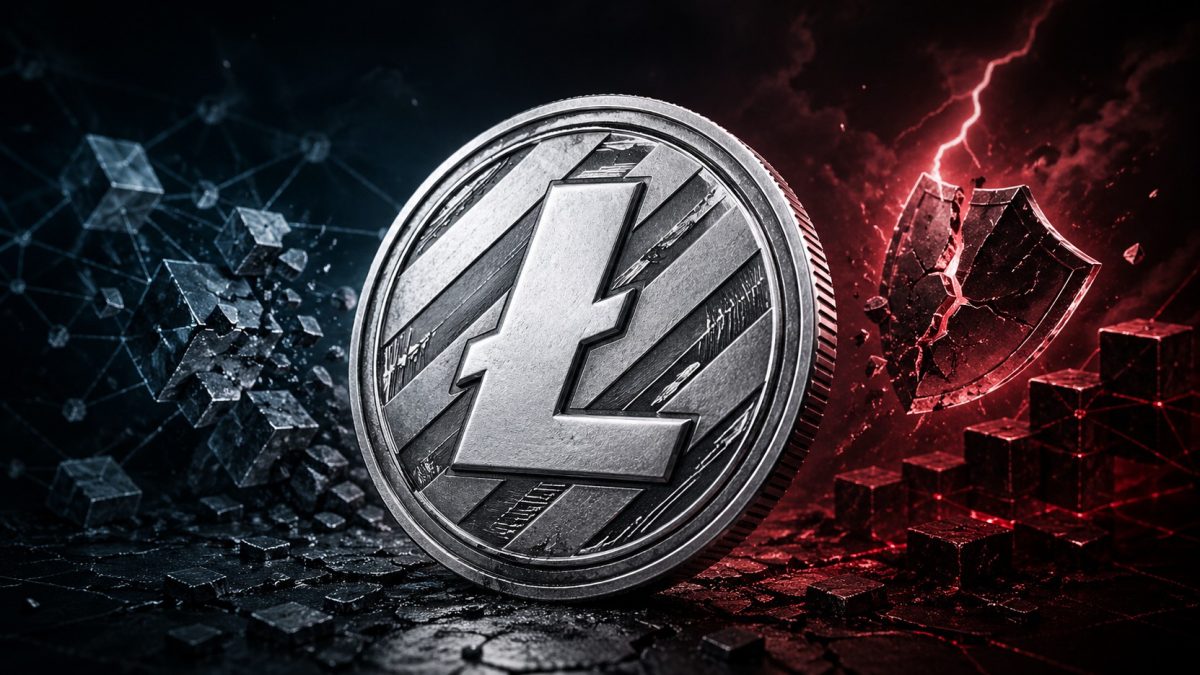
In a bold move that has sent ripples through the cryptocurrency community, long-time developer Paul Sztorc has proposed a hard fork of Bitcoin set for 2026, which he is calling eCash. This new initiative aims to split the Bitcoin blockchain and offer existing BTC holders equivalent tokens on the new chain while introducing Drivechains–a mechanism that allows for greater scalability and flexibility within the Bitcoin ecosystem. Sztorc's proposal is controversial, particularly due to its plan to reassign a significant amount of Bitcoin, often referred to as Satoshi coins, which are associated with the pseudonymous creator of Bitcoin, Satoshi Nakamoto.
To understand the implications of this proposal, it is essential to consider the historical context. Bitcoin has always been rooted in a decentralized ethos, emphasizing individual ownership and control over one's assets. The idea of a hard fork that redistributes ownership of Satoshi's coins raises fundamental questions about the integrity of these principles. Satoshi coins, which are estimated to be worth billions, have remained untouched since their creation, adding to the mystique and lore surrounding Bitcoin. The community has long debated the fate of these coins, and any attempt to alter their status is bound to elicit strong reactions.
The market's response to the eCash proposal has been decidedly negative, with many industry participants labeling it a form of theft. This sentiment underscores the delicate balance of trust and ownership that underpins the cryptocurrency landscape. Many see the proposal as an affront to the foundational values of Bitcoin, where ownership is sacrosanct and changes are made with community consensus. The introduction of Drivechains is also contentious, as it could change the way Bitcoin operates fundamentally, leading to further fragmentation within an already diverse ecosystem.
Industry experts have expressed a range of views on Sztorc's proposal. Some appreciate the innovative aspects of Drivechains and the potential for increased scalability, but many remain skeptical about the wisdom of splitting the Bitcoin blockchain. The fear is that such a move could create confusion among users and investors, diluting Bitcoin's brand and undermining its status as a digital gold. Prominent figures in the crypto space have voiced concerns about the precedent this could set, suggesting that any unilateral changes to Bitcoin's core principles should be approached with extreme caution.
As we look ahead, the future of the eCash proposal remains uncertain. With the Bitcoin community deeply divided on this issue, it is likely that extensive discussions and debates will unfold in the coming years as the 2026 timeline approaches. The outcome could significantly impact the broader cryptocurrency market, shaping the evolution of Bitcoin and its derivatives. Whether Sztorc's vision will gain traction or fade away in the face of community resistance remains to be seen, but it is clear that the conversation surrounding Bitcoin's future is far from over.

Em nossas analises:
Quer receber as noticias primeiro?
Siga nosso canal no Telegram – publicamos noticias importantes e analises.
Seguir o canal