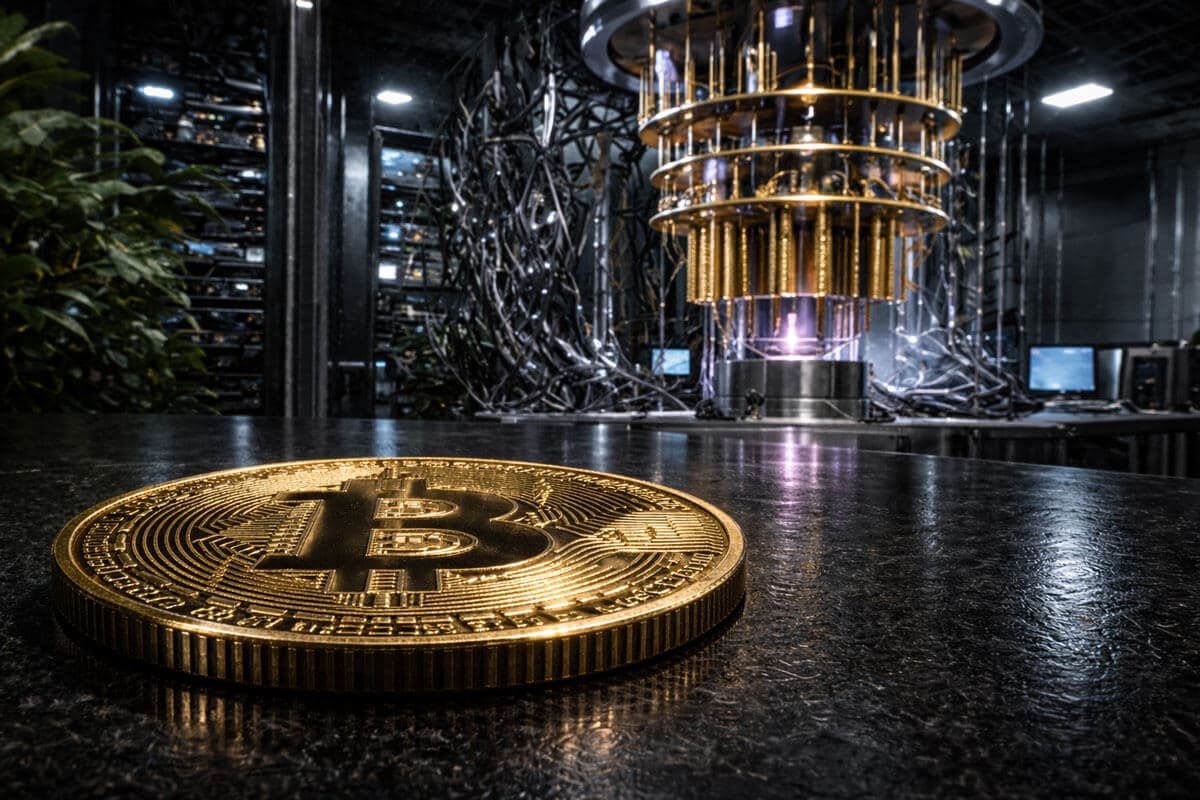
Recent advancements in quantum computing have sparked discussions about the potential implications for Bitcoin and other cryptocurrencies. While the technology has progressed significantly in the past 18 months, experts assert that malicious actors are still decades away from being able to exploit quantum computing to compromise the cryptographic security of Bitcoin. The current state of quantum technology is characterized by the transition from noisy hardware to early fault tolerance, which highlights the challenges that remain before quantum computers can pose a substantial threat to blockchain security.
To understand the landscape, it is crucial to recognize the underlying principles of how Bitcoin's security operates. Bitcoin relies on cryptographic algorithms such as SHA-256 and ECDSA, which are currently resilient against classical computer attacks. However, it has long been theorized that sufficiently advanced quantum computers could leverage Shor's algorithm to break these cryptographic systems. As researchers continue to make strides in quantum hardware, the debate has intensified regarding the timeline and feasibility of such threats materializing.
The implications of quantum computing for the cryptocurrency market are significant, as the fear of quantum attacks could undermine investor confidence and lead to increased volatility. However, the prevailing sentiment among experts is that the cryptocurrency community has time to adapt. Solutions such as post-quantum cryptography, which would involve the development of new algorithms resistant to quantum attacks, are already being explored. The gradual evolution of quantum technology means that the market can prepare for potential disruptions rather than facing an immediate crisis.
Industry experts have weighed in on the matter, emphasizing that while quantum computing is indeed a formidable technology with the potential to reshape various sectors, the current capabilities are far from reaching the point where they could effectively challenge Bitcoin’s security. Many researchers believe that the development of quantum-resistant protocols will not only safeguard cryptocurrencies but could also lead to enhanced security measures across various digital platforms.
Looking ahead, the cryptocurrency community must continue to monitor advancements in quantum computing while proactively investing in research and development for quantum-resistant technologies. As the field evolves, collaboration between cryptographers, quantum physicists, and blockchain developers will be essential to ensure that Bitcoin and other cryptocurrencies remain secure against future threats. The journey toward a quantum-resilient financial landscape is just beginning, and it will undoubtedly shape the future of digital assets for years to come.
CoinMagnetic 팀
2017년부터 암호화폐 투자. 직접 돈을 넣고 모든 거래소를 테스트합니다.
업데이트: 2026년 4월
![[토큰주식] 다날, JB전북은행과 원화 스테이블코인 플랫폼 실증 완료](/_next/image?url=https%3A%2F%2Ff1.tokenpost.kr%2F2026%2F04%2F2bux7vz6ze.jpg&w=3840&q=75)
![[토큰주식] 카카오뱅크, 원화 스테이블코인 주도 선언에 AI·WM 청사진까지…주가 강세](/_next/image?url=https%3A%2F%2Ff1.tokenpost.kr%2F2026%2F04%2F498bq9lkh5.jpg&w=3840&q=75)

![[야간마감] 달러·원 중동 긴장에 다시 1500원…8일 오전 9시 ‘운명의 시한’](/_next/image?url=https%3A%2F%2Fcdn.blockmedia.co.kr%2Fwp-content%2Fuploads%2F2026%2F02%2F20260210-031805-560x560.jpg&w=3840&q=75)
![[자정 뉴스브리핑] 미국 비트코인 현물 ETF가 4억7100만달러 순유입을 기록 外](/_next/image?url=https%3A%2F%2Ff1.tokenpost.kr%2F2026%2F04%2Fvrc4fw19ca.jpg&w=3840&q=75)
