규제Neutral
Wall Street won’t buy ‘trustless’ security promises
Source: CoinDesk
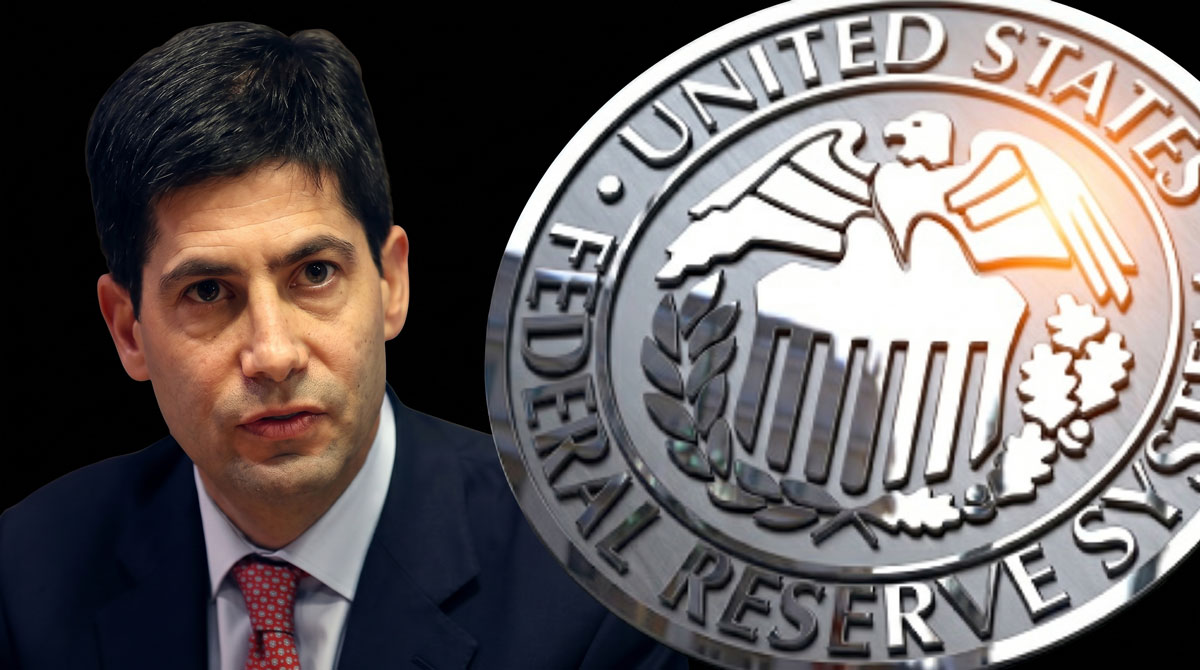
In a recent analysis, Chen highlighted a critical concern regarding the security protocols employed by many crypto exchanges. He argues that the assurances of "trustless" security often provided by these platforms amount to little more than theater, failing to truly safeguard users’ assets. This skepticism comes amid a backdrop of high-profile hacks and breaches that have plagued the crypto industry, raising questions about the effectiveness of current security measures. Chen's assertions emphasize the need for stricter regulatory enforcement to ensure that exchanges meet a minimum standard of security, rather than relying on broad claims that may not hold up under scrutiny.
The discussion around crypto exchange security is not new; it has been a recurring theme ever since the inception of cryptocurrencies. As the market has matured, incidents of theft and fraud have prompted both users and regulators to demand more accountability from exchanges. The lack of a central authority and the decentralized nature of cryptocurrencies contribute to a complex security landscape. Exchanges often tout sophisticated technology and encryption as safeguards, but Chen’s stance suggests that these promises may not translate into real-world protection against increasingly sophisticated cyber threats.
This skepticism towards "trustless" security promises holds significant implications for the market. Investors are becoming more discerning about where they store their assets, and a lack of trust in exchange security could lead to lower trading volumes and liquidity. If exchanges cannot provide credible security assurances, it could hinder the overall growth of the cryptocurrency market. Moreover, a push for stricter enforcement might lead to a more robust regulatory framework, which could either bolster user confidence or stifle innovation, depending on how it is implemented.
The reaction from industry insiders has been mixed. Some experts agree with Chen's assessment, arguing that the crypto sector needs to mature and adopt more stringent security protocols to gain the trust of institutional investors. Others maintain that the decentralized nature of cryptocurrency inherently limits the effectiveness of traditional security measures and that innovation must continue to outpace regulation. This divergence of opinion highlights the ongoing tension between maintaining security and fostering an environment conducive to growth and innovation.
Looking ahead, the conversation around security in the cryptocurrency space is likely to intensify. As regulatory bodies take a closer look at the practices of crypto exchanges, we may see a wave of new compliance requirements that could reshape the industry. Exchanges that prioritize robust security measures may ultimately gain a competitive edge, while those that fail to adapt could lose the confidence of users and investors alike. The coming months will be crucial in determining how the industry responds to these challenges and what measures will be implemented to enhance security across the board.
CM
CoinMagnetic 팀
2017년부터 암호화폐 투자. 직접 돈을 넣고 모든 거래소를 테스트합니다.
업데이트: 2026년 4월
인사이트에서 읽기: