규제Bearish
Stablecoins not a threat to banks in the near-term: Moody's analyst
Source: Cointelegraph
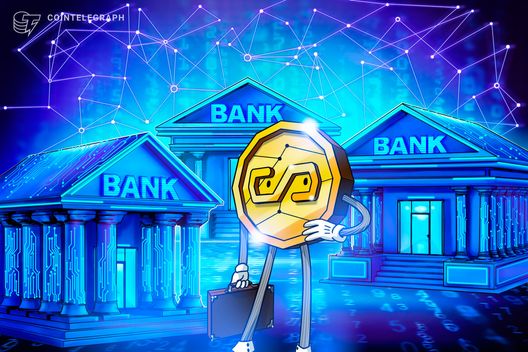
In a recent analysis by Moody's, the firm has concluded that stablecoins are unlikely to pose a significant threat to traditional banks in the near future. This assessment is primarily based on the current regulatory landscape in the United States, which has implemented prohibitions on yield-bearing stablecoins. Additionally, the presence of a robust payments infrastructure means that banks are well-positioned to maintain their market share against the rising tide of digital currencies.
To provide some context, stablecoins have gained traction over the last few years as a cryptocurrency alternative designed to minimize price volatility, often pegged to fiat currencies like the US dollar. However, regulatory scrutiny has increased, particularly regarding their potential to disrupt traditional financial systems. The US has been cautious, focusing on regulating these digital assets to ensure consumer protection and financial stability. Moody's highlights that the absence of yield-bearing stablecoins limits their appeal to consumers seeking higher returns, thereby reducing the competitive pressure on banks.
This analysis matters for the market as it reflects a growing consensus among financial analysts that the immediate impact of stablecoins on traditional banking systems may be overstated. With banks adapting to incorporate digital technologies and enhance their offerings, the fear of losing market share to stablecoins appears to be less pressing. This insight may provide some reassurance to investors and stakeholders in the banking sector, encouraging a more stable outlook for traditional financial institutions amidst the evolving landscape of digital finance.
Industry reactions to Moody's findings have been mixed. Some experts agree that the current regulatory framework offers banks a protective barrier against the encroachment of stablecoins. Others, however, caution that the situation could change rapidly if regulations evolve or if stablecoin technology advances significantly. Financial institutions are urged to remain vigilant and adapt to the changing dynamics of the marketplace, as the potential for stablecoins to disrupt traditional banking is not entirely off the table.
Looking ahead, the conversation surrounding stablecoins and their role in finance is likely to continue evolving. As regulatory frameworks develop and consumer adoption increases, banks may need to reassess their strategies in order to remain competitive. The potential for innovation in the stablecoin space could prompt financial institutions to find new ways to leverage these digital assets, whether through partnerships, technological advancements, or new product offerings. The coming months will reveal how banks position themselves in response to the growing influence of stablecoins and the broader cryptocurrency market.
CM
CoinMagnetic 팀
2017년부터 암호화폐 투자. 직접 돈을 넣고 모든 거래소를 테스트합니다.
업데이트: 2026년 4월
인사이트에서 읽기: