시장Bullish
Stablecoin Trading Volume Could Skyrocket to $1.5 Quadrillion by 2035: Chainalysis
Source: Decrypt
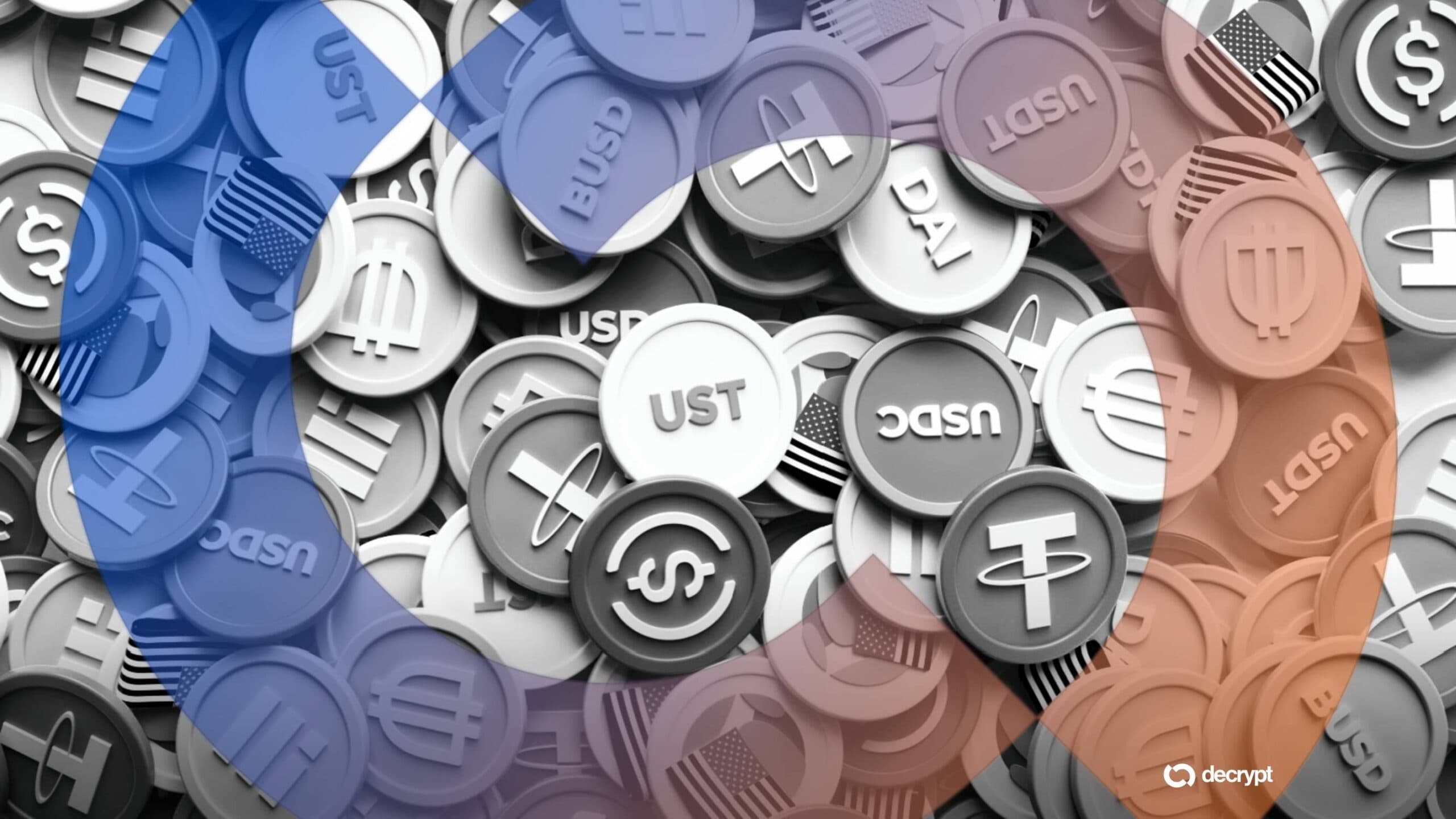
Stablecoin trading volumes are projected to reach an astonishing $1.5 quadrillion by the year 2035, according to a recent report from Chainalysis. This projection is underpinned by two significant trends: the expected generational transfer of wealth and the increasing adoption of stablecoins at point-of-sale transactions. As traditional payment systems grapple with inefficiencies and high fees, the flexibility and stability offered by stablecoins could lead to a seismic shift in how transactions are conducted globally. The report suggests that these digital currencies may not only rival but potentially surpass the volume of conventional payment rails.
To understand the significance of this prediction, it is essential to consider the historical context of stablecoins. Introduced as a mechanism to mitigate the volatility often associated with cryptocurrencies, stablecoins have gained traction due to their ability to maintain a stable value, primarily pegged to fiat currencies. Over the last few years, the crypto market has witnessed a surge in the popularity of stablecoins, especially during periods of market turbulence. As we approach a new era of digital finance, the potential for stablecoin usage in everyday transactions continues to grow, making this projection from Chainalysis particularly noteworthy.
The implications of such a rapid increase in stablecoin trading volume are profound for the cryptocurrency market and the broader financial ecosystem. If stablecoins indeed eclipse traditional payment systems, it could signify a significant shift in consumer behavior and merchant adoption. Businesses may increasingly prefer stablecoins for transactions due to their lower fees and faster settlement times compared to traditional banking systems. Additionally, as more people gain access to digital wallets and payment platforms that support stablecoins, we could see a democratization of financial services, benefiting unbanked populations around the world.
Industry experts have responded to Chainalysis' predictions with a mixture of optimism and caution. Many believe that the projected growth reflects a natural evolution within the financial landscape, driven by technological advancements and changing consumer preferences. However, some analysts caution that regulatory challenges could pose obstacles to this growth trajectory. The regulatory environment surrounding stablecoins is still developing, and any significant changes could impact their adoption and use. As such, stakeholders in the crypto industry are closely monitoring these developments, recognizing that the future of stablecoins will be shaped by both innovation and regulation.
Looking ahead, the next few years will be critical in determining whether Chainalysis' ambitious forecast comes to fruition. As more financial institutions explore blockchain technology and its applications, and as consumer familiarity with digital currencies increases, the stage is set for potential disruptions in the payment landscape. The evolution of stablecoins will likely depend on their ability to integrate seamlessly into existing financial systems while providing additional value to users. As we move closer to 2035, the conversation surrounding stablecoins will continue to evolve, and it will be fascinating to observe how these digital assets shape the future of finance.
CoinMagnetic 팀
2017년부터 암호화폐 투자. 직접 돈을 넣고 모든 거래소를 테스트합니다.
업데이트: 2026년 4월


![[특징주] RF머트리얼즈, 280억 유증에도 강세…AI 데이터센터 설비투자 기대](/_next/image?url=https%3A%2F%2Ff1.tokenpost.kr%2F2026%2F04%2F2d5bos18gg.jpg&w=3840&q=75)
![[특징주] 에이피알, 1분기 최대 실적 전망에 9%대 강세…증권가 목표가 상향](/_next/image?url=https%3A%2F%2Ff1.tokenpost.kr%2F2026%2F04%2Feec5xzqyfb.jpg&w=3840&q=75)

![[선물 고수 PICK] SOL·XRP 포지션 집중, DOGE 계좌 기준 최고](/_next/image?url=https%3A%2F%2Ff1.tokenpost.kr%2F2025%2F08%2Fl6yy2mf75g.jpg&w=3840&q=75)