규제Bearish
South Korea to bring RWAs and stablecoins under existing financial frameworks: report
Source: The Block
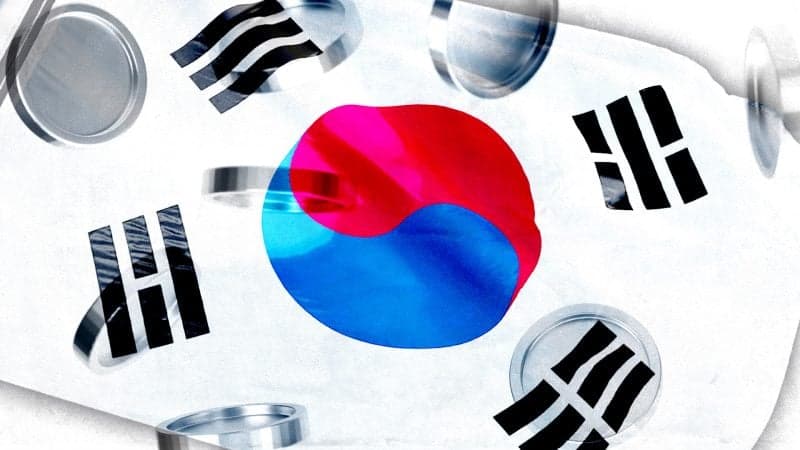
South Korea is taking significant steps to regulate the burgeoning realm of real-world assets (RWAs) and stablecoins by proposing to bring these digital financial instruments under existing financial frameworks. According to a recent report, the ruling party in South Korea aims to create a regulatory environment that would ensure these assets are subject to the same rules and oversight as traditional financial instruments. This move comes amid a global push for clearer regulations in the cryptocurrency space, highlighting South Korea's commitment to establishing a structured approach to digital finance.
The backdrop for this regulatory shift is a rapidly evolving cryptocurrency landscape, both in South Korea and globally. As adoption of cryptocurrencies and blockchain technology accelerates, concerns regarding consumer protection, market stability, and financial integrity have intensified. South Korea has been at the forefront of blockchain innovation, but it has also faced challenges, including scams and volatility in the market. By proposing regulations for RWAs and stablecoins, the South Korean government is attempting to address these issues while fostering an environment conducive to innovation and investment.
This proposed regulation is crucial for the market as it signifies a broader acceptance of digital assets among traditional financial systems. Bringing RWAs and stablecoins under established financial frameworks can enhance trust and legitimacy, potentially encouraging more participants to enter the market. Furthermore, by considering a ban on yield for stablecoins, the South Korean government is signaling a cautious approach to speculative financial products, which could impact how stablecoins are utilized and perceived in the market. This could lead to a more conservative investment culture surrounding these assets, influencing both local and international participants.
Reactions from industry players and experts have been mixed. Some view the move as a necessary step toward greater regulatory clarity and consumer protection, while others express concern that overly stringent regulations could stifle innovation in the rapidly evolving crypto space. Industry advocates argue that a balanced approach is needed–one that protects consumers without undermining the potential for technological advancement. The debate over yield on stablecoins also resonates with ongoing discussions in other jurisdictions, including the United States, where regulators are grappling with similar challenges.
Looking ahead, the South Korean government's approach could set a precedent for other nations considering regulatory frameworks for digital assets. As discussions continue, the crypto industry will be watching closely to see how these regulations are implemented and their impact on market dynamics. The outcome of this regulatory initiative may not only shape the future of RWAs and stablecoins in South Korea but could also influence global regulatory trends in the cryptocurrency ecosystem.
CoinMagnetic 팀
2017년부터 암호화폐 투자. 직접 돈을 넣고 모든 거래소를 테스트합니다.
업데이트: 2026년 4월


![[특징주] JW중외제약, 中서 GLP-1 비만·당뇨 신약 도입…국내 독점권에 8%대 상승](/_next/image?url=https%3A%2F%2Ff1.tokenpost.kr%2F2026%2F04%2Fbn9j5pjpw8.jpg&w=3840&q=75)
![[김효봉의 글로벌 레이더] 발행사는 발행만, 수익은 금지…미 OCC 스테이블코인 규정안 핵심은](/_next/image?url=https%3A%2F%2Fcdn.blockmedia.co.kr%2Fwp-content%2Fuploads%2F2025%2F05%2F%EA%B9%80%ED%9A%A8%EB%B4%89-%EB%B3%80%ED%98%B8%EC%82%AC-%EC%B9%BC%EB%9F%BC%EC%BB%B7-560x373.png&w=3840&q=75)

![[토큰화 ③] 3,310억 달러 시장의 진실 — 헤드라인 너머를 봐야 한다](/_next/image?url=https%3A%2F%2Ff1.tokenpost.kr%2F2026%2F03%2Ftcad1232iy.jpg&w=3840&q=75)