규제Bearish
Senate Votes to Ban Senators and Staff From Using Prediction Markets
Source: Decrypt
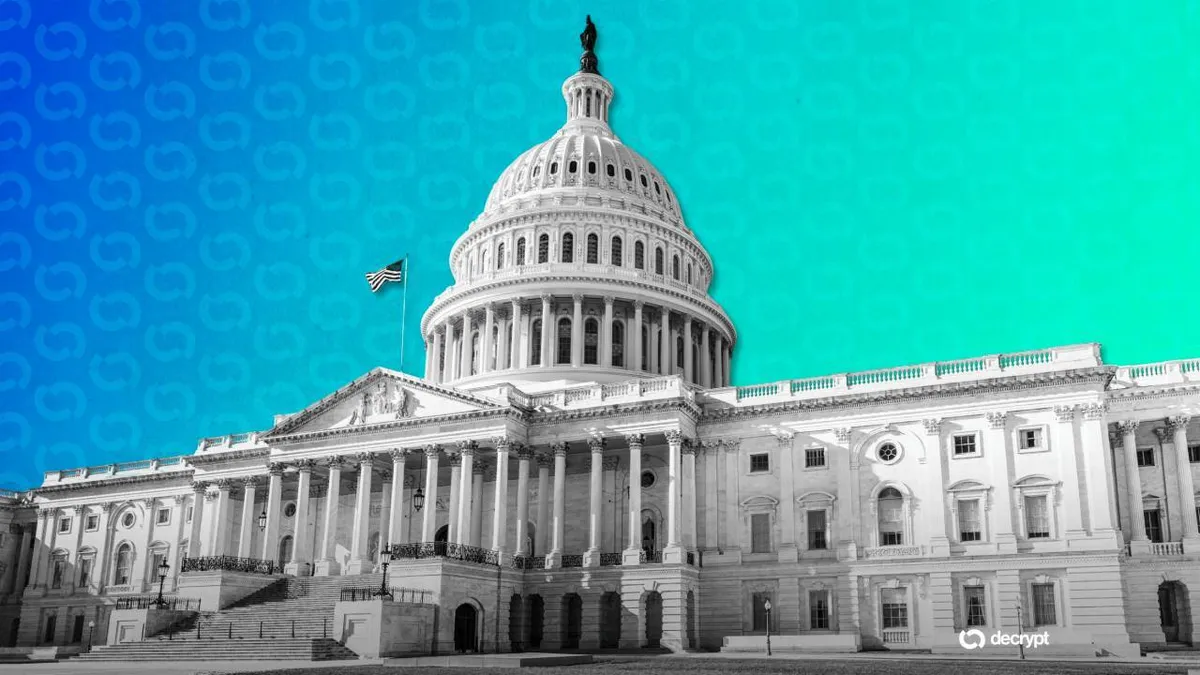
The Senate has recently voted in favor of S. Res. 708, a resolution that prohibits senators and their staff from engaging in prediction markets. This legislation was passed swiftly, taking effect immediately upon its approval. The resolution aims to address concerns surrounding potential conflicts of interest and the use of privileged information that could arise from lawmakers participating in these speculative markets. As prediction markets have gained traction for their ability to forecast political events and outcomes, the Senate's decision underscores a growing recognition of the ethical implications involved.
The background of this resolution stems from a broader conversation about transparency and integrity within the political sphere. Prediction markets, which allow users to bet on the outcome of future events, have been lauded for their predictive capabilities but criticized for their potential to facilitate insider trading. Lawmakers have been increasingly scrutinized for their financial activities, particularly in light of recent instances where members of Congress have faced accusations of leveraging non-public information for personal gain. S. Res. 708 is part of a larger effort to ensure that elected officials uphold the trust of their constituents by maintaining a clear boundary between public service and personal profit.
The implications of this resolution for the market are significant. By restricting senators and their staff from participating in prediction markets, the Senate aims to eliminate any risks associated with conflicts of interest that could undermine the credibility of both the lawmakers and the markets themselves. This move may also lead to increased scrutiny of prediction markets as they continue to operate in a largely unregulated environment. Investors and participants may reassess their engagement with these platforms, considering how shifts in political transparency could affect the reliability of market forecasts.
Industry reactions have been mixed, with some experts praising the Senate's decision for prioritizing ethical standards in governance. Others, however, express concern that such restrictions could stifle innovation and limit the potential benefits that prediction markets can offer in terms of gathering collective intelligence. Commentators in the space contend that prediction markets can serve as valuable tools for gauging public sentiment and political trends, provided they are utilized responsibly. The resolution has sparked a broader dialogue about the balance between regulation and the free market, especially in a sector that thrives on speculation and risk.
Looking ahead, it remains to be seen how this resolution will impact the evolution of prediction markets and the political landscape at large. Future discussions may explore ways to regulate these markets while preserving their ability to provide insights into political dynamics. As the dialogue around transparency continues, stakeholders in both the political and crypto sectors will need to navigate these new regulations thoughtfully, ensuring that ethical considerations do not inadvertently stifle innovation. The coming months may reveal more about how prediction markets adapt to this changing regulatory environment and what it means for their role in forecasting future events.

인사이트에서 읽기:
![[모닝 뉴스브리핑] 스콧 상원의원 "비트코인·가상자산 명확화 법안 마크업 준비 완료" 外](/images/news/b333f3f70e959441.webp)