규제Bearish
OpenAI GPT Image 2 vs Google Nano Banana 2: Which AI Image Generator Is Best?
Source: Decrypt
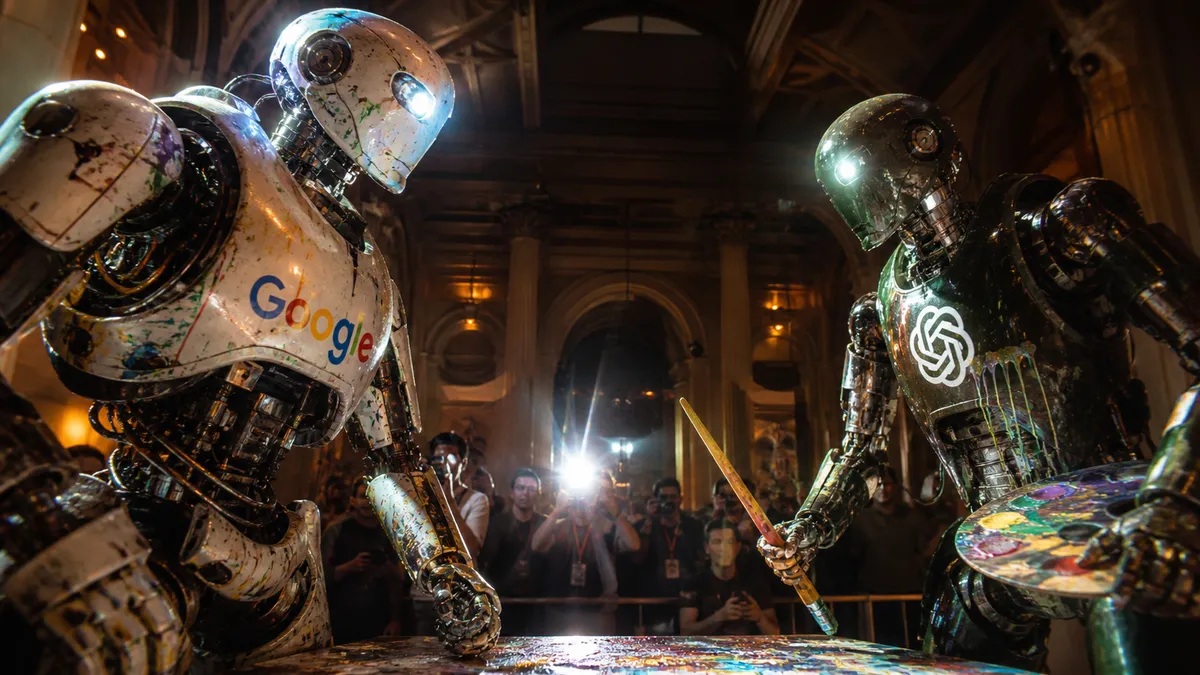
Recent advancements in AI image generation have sparked a competitive showdown between two leading technologies–OpenAI's GPT Image 2 and Google's Nano Banana 2. Both platforms have garnered attention for their unique capabilities in creating high-quality images from textual prompts, but how they stack up against each other remains a hot topic among enthusiasts and professionals alike. In a recent evaluation, both AI systems were put to the test in various scenarios, assessing aspects such as creativity, detail, and user-friendliness. The results of this face-off could influence the future landscape of AI-generated content.
To understand the significance of this competition, we should consider the evolution of AI image generation. OpenAI has been at the forefront of AI research with its GPT series, which has consistently pushed the boundaries of what is possible in natural language processing and image synthesis. Meanwhile, Google's entry into this domain with Nano Banana 2 reflects its ambition to leverage its vast data resources and machine learning expertise. Both companies have invested heavily in research and development, aiming to perfect the technology that can seamlessly transform ideas into vivid images.
This rivalry is crucial for the market as it could determine which platform becomes the go-to solution for creative professionals, marketers, and developers. As AI-generated images become more integrated into various industries–from advertising to entertainment–the effectiveness of these tools can directly impact productivity and creativity. If one platform outperforms the other, it could capture a significant market share, leading to potential shifts in pricing, features, and accessibility for users.
Industry reactions to this showdown have been mixed but insightful. Experts are praising both systems for their advancements, yet they have noted key differences in performance. Some highlight GPT Image 2's ability to generate more nuanced and contextually rich visuals, while others favor Nano Banana 2 for its speed and ease of use. This divergence in opinions underscores the fact that user preferences will ultimately dictate the success of one platform over the other. As the debate rages on, it is clear that both advancements are setting a new standard for what users can expect from AI in creative fields.
Looking ahead, the competitive landscape will likely evolve further as both OpenAI and Google continue to refine their technologies. We can expect periodic updates and improvements, with both companies striving to outdo one another. This ongoing rivalry not only enhances the capabilities of AI image generators but also encourages innovation across the entire sector. As more users begin to adopt these tools, the demand for superior image generation will likely push both entities to explore groundbreaking features that could redefine the boundaries of creativity and technology.

인사이트에서 읽기:
![[칼럼] 한국이 머뭇대는 사이, 원화는 해외에서 먼저 토큰화된다](/images/news/ad4386d524bccfab.webp)