시장Neutral
Is Iran Collecting Hormuz Tolls in Bitcoin? This Crypto Intelligence Firm Is Skeptical
Source: Decrypt
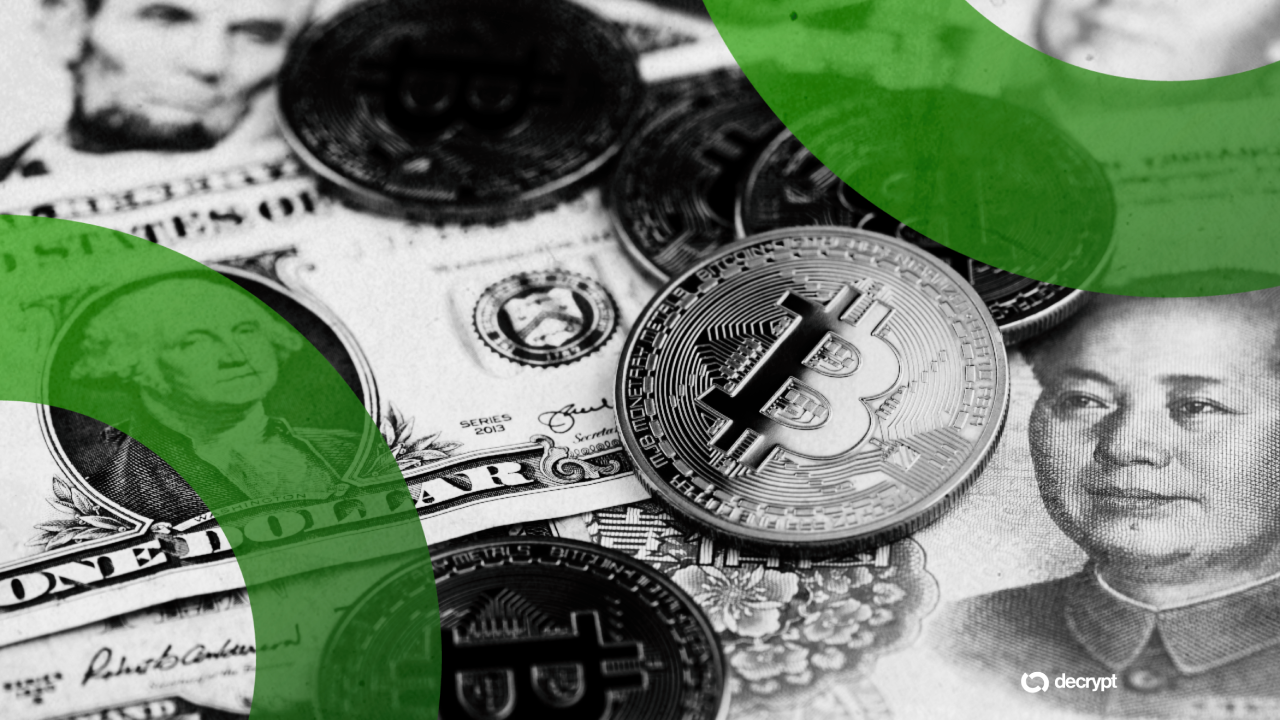
Recent reports have surfaced suggesting that Iran may be collecting tolls in Bitcoin for vessels passing through the strategic Strait of Hormuz. This development has sparked interest within the cryptocurrency community as it hints at the potential use of digital assets in international trade and maritime operations. However, experts, including Ari Redbord from the crypto intelligence firm TRM, have raised doubts about the veracity of these claims. Redbord argues that the complexities of cryptocurrency transactions, particularly in a context as sensitive as maritime tolls, make it unlikely that such a system is currently in place.
To understand the significance of this situation, one must consider the geopolitical landscape surrounding the Strait of Hormuz. This narrow passage is crucial for global oil supplies, with a significant percentage of the world’s oil trade passing through it. Iran's history of using maritime control as a tool for political leverage further complicates the picture. While the idea of accepting Bitcoin as a means of payment suggests a modern approach to circumventing traditional banking systems, the practicalities and risks involved are substantial.
From a market perspective, the notion of a nation-state like Iran adopting Bitcoin for toll collection could have far-reaching implications. If proven true, it could signify a shift towards increased acceptance of cryptocurrency in global trade, potentially encouraging other nations to explore similar avenues. However, skepticism from experts like Redbord serves as a reminder of the need for caution in interpreting such claims. The crypto market often reacts strongly to news, and the uncertainty surrounding this story could lead to volatility.
Industry reactions have been mixed, with some crypto enthusiasts viewing the reports as a sign of legitimacy for Bitcoin and its potential use in international transactions. Conversely, others echo Redbord's skepticism, emphasizing the challenges faced by nations under economic sanctions, which would complicate the adoption of cryptocurrency for such purposes. Experts suggest that while the idea is intriguing, the realities of operationalizing such a system in an environment fraught with regulatory and enforcement challenges are daunting.
Looking ahead, the situation warrants close monitoring as further developments emerge. If it turns out that Iran is indeed exploring the use of Bitcoin for tolls, it could open up discussions about the role of cryptocurrencies in global trade and sanctions evasion. However, until more concrete evidence surfaces, the crypto community must remain cautious. The interplay between geopolitics and digital currencies continues to evolve, and this case is just one example of how complex and intertwined these realms can be.
CoinMagnetic 팀
2017년부터 암호화폐 투자. 직접 돈을 넣고 모든 거래소를 테스트합니다.
업데이트: 2026년 4월
![[뉴욕 코인시황/마감] 비트코인 7.2만달러 회복…휴전 기대에 숏 포지션 청산](https://cdn.blockmedia.co.kr/wp-content/uploads/2026/04/20260410-053800-560x208.jpg)
![[모닝 시세브리핑] 암호화폐 시장 혼조세… 비트코인 72,109달러, 이더리움 2,216달러](https://f1.tokenpost.kr/2026/04/g3um894qiy.jpg)

![[야간마감] 네타냐후 협상 발언에 환율 1470원대 ‘급락’](https://cdn.blockmedia.co.kr/wp-content/uploads/2026/02/20260210-031805-560x560.jpg)