규제Bearish
Canada moves to ban crypto ATMs, labeling them as ‘primary method’ for fraud
Source: The Block
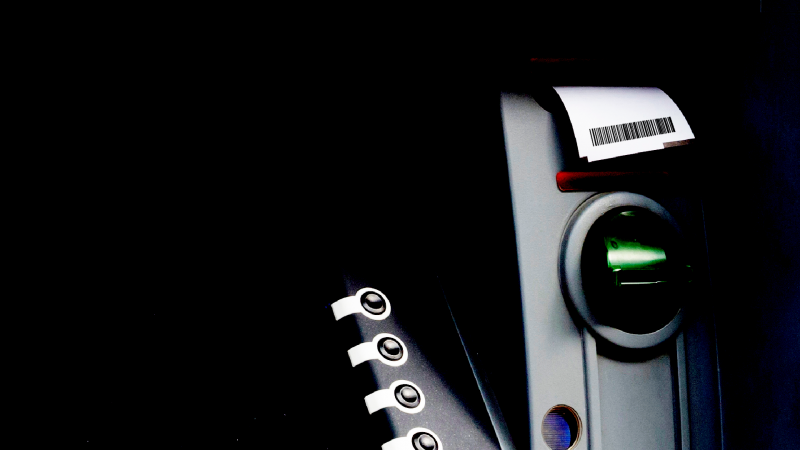
Canada's government has announced a significant move to ban cryptocurrency ATMs, citing them as a "primary method" used by scammers to defraud individuals and facilitate money laundering activities. This decision comes amid growing concerns regarding the rising number of fraudulent schemes leveraging these machines, which have become a popular entry point for users seeking to buy or sell cryptocurrencies. The authorities have expressed that the ban is a necessary step to safeguard consumers and uphold the integrity of the financial system in the face of evolving threats.
The backdrop to this decision is rooted in a broader international trend where regulatory bodies are scrutinizing the crypto industry more closely. Over the past few years, the proliferation of cryptocurrency ATMs across Canada has sparked debates about their potential misuse. While these machines offer convenience and accessibility for legitimate users, authorities have identified a worrying pattern where scammers exploit them to convert stolen funds into digital currencies, making it difficult for victims to recover their losses. This regulatory shift signals a tightening of the reins on the crypto sector as governments worldwide seek to mitigate risks associated with financial crimes.
The implications of this ban are significant for the cryptocurrency market, particularly for Canadian users and operators of these ATMs. With the removal of a convenient option for buying and selling cryptocurrencies, consumers may face increased barriers to entry, potentially stifling the growth of crypto adoption within the country. Additionally, the ban could drive users towards less regulated platforms or peer-to-peer transactions, which may not have the same consumer protections in place. Market participants will be closely watching how this decision influences trading volumes and liquidity in Canada.
Reactions within the industry have been mixed, with some experts supporting the ban as a necessary measure to protect consumers, while others argue that it could stifle innovation and drive users underground. Industry proponents have pointed out that instead of a blanket ban, a more nuanced regulatory approach could allow for safer operations of crypto ATMs, incorporating measures to combat fraud without eliminating access altogether. This discussion reflects the ongoing tension between fostering innovation in the cryptocurrency space and ensuring adequate consumer protections.
Looking ahead, the Canadian government’s stance on cryptocurrency ATMs may pave the way for more comprehensive regulations targeting the broader crypto ecosystem. As discussions evolve, industry stakeholders will likely push for dialogue with regulators to find a balanced approach that addresses fraud while allowing for responsible growth. The outcome of this situation will be crucial not only for Canada but also for other countries grappling with similar challenges in the rapidly changing landscape of digital finance.

인사이트에서 읽기:




![[오후 뉴스브리핑] 홍콩 금융관리국(HKMA), 허위 스테이블코인 토큰 경고 外](/images/news/0069162e0051bc7b.webp)