시장Neutral
Bitcoin’s quantum migration plan forces the network to choose between frozen and stolen coins
Source: CryptoSlate
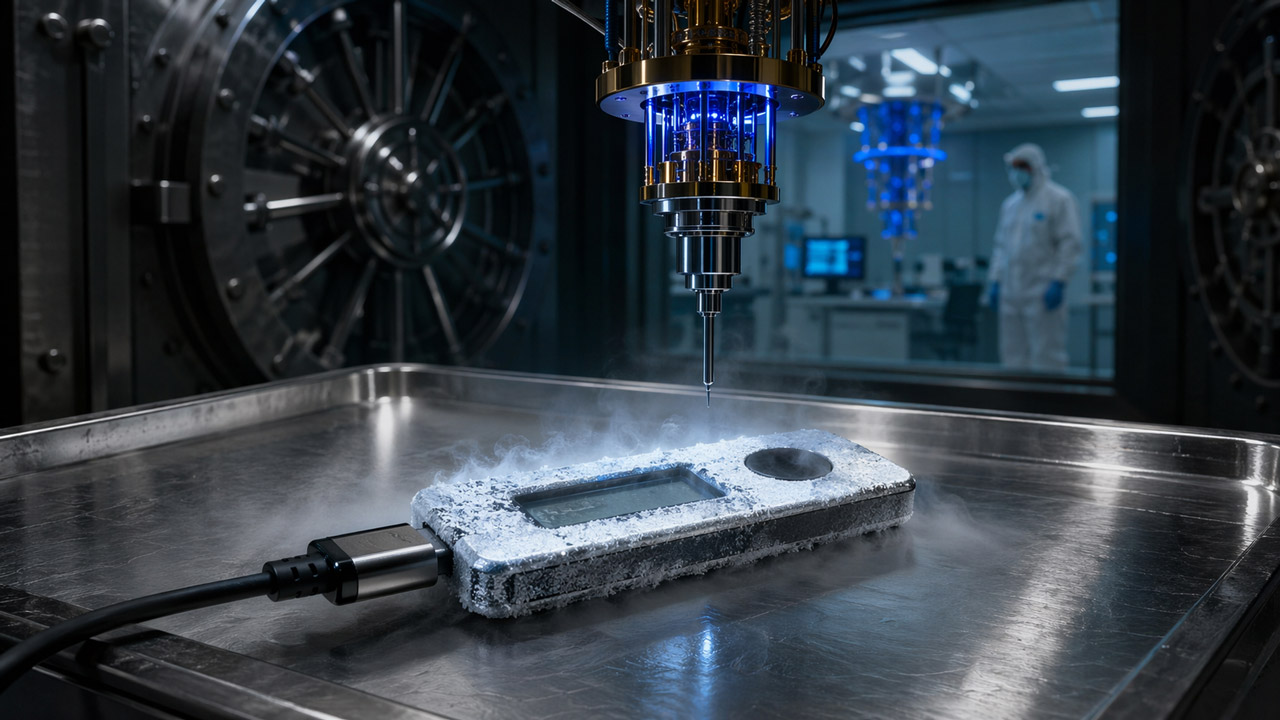
Bitcoin's ongoing debate regarding quantum resistance has reached a pivotal moment with the introduction of Bitcoin Improvement Proposal 361 (BIP 361). Released on April 14, this draft outlines a comprehensive three-phase strategy aimed at transitioning the Bitcoin network away from traditional signature schemes–specifically, the Elliptic Curve Digital Signature Algorithm (ECDSA) and Schnorr signatures. The proposal envisions a future where these methods are phased out in favor of quantum-resistant alternatives, contingent upon the development of a secure output type that can withstand the capabilities of quantum computers. This migration plan not only addresses the looming threat posed by quantum technology but also raises significant questions about the implications for the network's existing coinbase–specifically regarding the treatment of frozen or stolen coins.
The backdrop for BIP 361 is rooted in the increasing awareness of the potential vulnerabilities posed by quantum computing. As advancements in quantum technology continue at a rapid pace, experts warn that current cryptographic systems used in cryptocurrencies could be exposed to unprecedented risks. Historically, Bitcoin's cryptographic framework has provided a robust defense against fraud and unauthorized access, but the advent of quantum computing introduces a paradigm shift. This proposal marks a significant step in the Bitcoin community's proactive measures to safeguard the integrity of the network against future threats, aiming to ensure that Bitcoin remains a reliable store of value and medium of exchange.
The implications of BIP 361 extend beyond technical specifications, as it directly affects the market's perception of Bitcoin's security. By tackling quantum vulnerabilities head-on, the proposal could bolster confidence among investors and users, especially those concerned about the long-term viability of Bitcoin in a rapidly evolving technological landscape. However, the decision to phase out existing signature types also raises critical concerns about the status of coins that may be considered frozen or stolen–assets that could be locked away indefinitely if not addressed appropriately in the migration plan. This conundrum presents a unique challenge for developers and participants alike, as they must navigate the fine line between enhancing security and preserving the rights of current coin holders.
Industry reactions to BIP 361 have been mixed, reflecting the complex nature of the issues at hand. Some experts laud the proposal as a necessary step towards future-proofing Bitcoin, emphasizing the importance of adapting to new technological realities. Others, however, express concerns about the potential disruption such a transition could cause, particularly regarding the treatment of legacy coins. The debate highlights the broader discussions within the cryptocurrency space about how to balance innovation and tradition–striving for a more secure future while recognizing the value of Bitcoin's historical context and the assets tied to it.
Looking ahead, the Bitcoin community faces critical decisions as discussions around BIP 361 progress. The three-phase migration plan invites further scrutiny and debate, necessitating collaboration among developers, miners, and users to ensure a smooth transition. As the landscape of cryptocurrency continues to evolve, the outcomes of these discussions will play a crucial role in determining not only Bitcoin's future resilience against quantum threats but also its broader standing in the financial ecosystem. The road ahead is both challenging and promising, as the community seeks to safeguard its flagship currency while navigating the complexities of technological advancement.
CM
CoinMagnetic 팀
2017년부터 암호화폐 투자. 직접 돈을 넣고 모든 거래소를 테스트합니다.
업데이트: 2026년 4월
인사이트에서 읽기:
![[자정 시세브리핑] 암호화폐 시장 혼조세… 비트코인 74,016달러, 이더리움 2,311달러](https://f1.tokenpost.kr/2026/04/v5uharuclm.jpg)
![[속보] 뉴욕증시 상승 개장… 다우 0.19%↑ S&P 0.21%↑ 나스닥 0.19%↑](https://cdn.blockmedia.co.kr/wp-content/uploads/2026/02/20260221-000315-560x300.jpg)