마이닝Neutral
Bitcoin mining, AI may diverge on centralization, researcher says
Source: Cointelegraph

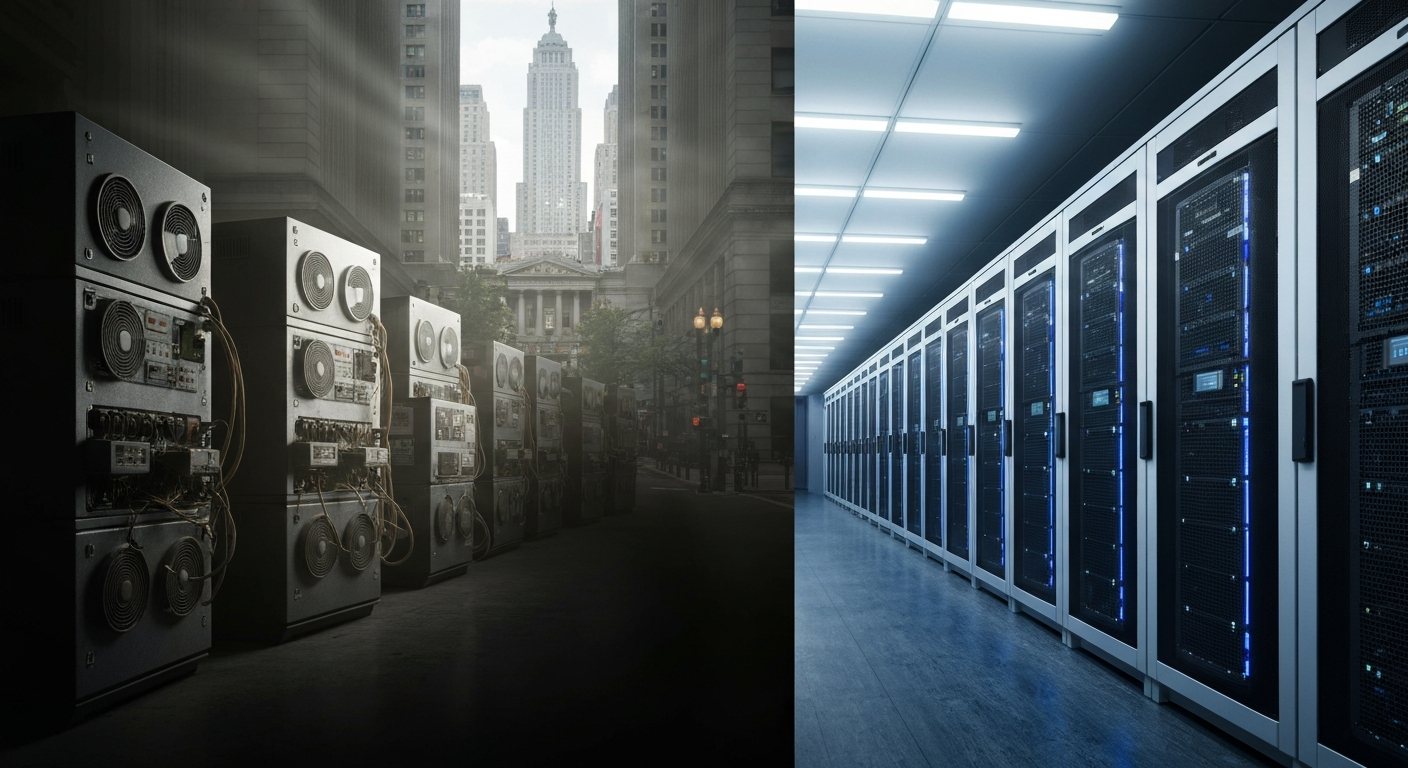
Recent insights from a leading researcher highlight a significant divergence between the trajectories of Bitcoin mining and artificial intelligence (AI) regarding centralization. The researcher points out that the Bitcoin mining sector is increasingly consolidating around a few powerful entities, leading to concerns about centralization's implications for the network's decentralization ethos. In contrast, AI is evolving in a manner that may promote greater decentralization, largely fueled by advancements in edge computing and the proliferation of open-source models. This contrast raises important questions about the future of both technologies and their respective ecosystems.
To understand this trend, it’s essential to consider the historical context of Bitcoin mining. Since its inception, Bitcoin has been heralded for its decentralized nature, allowing anyone with the necessary hardware to participate in the mining process. However, over the years, this landscape has shifted dramatically. A significant portion of Bitcoin mining power is now concentrated in a handful of mining pools and organizations, which can lead to increased risks of collusion and censorship. In contrast, the field of AI is experiencing a democratization of technology, with edge computing enabling more localized processing power and open-source initiatives allowing broader access to AI models and resources.
The implications of these divergent paths for the market are profound. As Bitcoin mining becomes more centralized, it could threaten the integrity and security of the network, which is a core tenet of its value proposition. Centralization could invite regulatory scrutiny and diminish trust among users, potentially impacting Bitcoin’s price and adoption. On the other hand, the decentralized nature of AI development could foster innovation and accessibility, enabling smaller players to compete with larger tech firms. This shift could lead to a more equitable distribution of resources and opportunities within the tech landscape, possibly influencing investment trends and strategies.
Industry experts have already begun to weigh in on these developments. Many see the centralization of Bitcoin mining as a critical challenge that the community must address to preserve the foundational principles of decentralization and trustlessness. Conversely, AI researchers and developers are optimistic about the potential of decentralized AI models to disrupt traditional power structures and encourage collaborative advancements. As these two sectors continue to evolve, the contrasting narratives around centralization may foster deeper discussions about governance, ethics, and the future of technology.
Looking ahead, it will be crucial for stakeholders in both Bitcoin and AI communities to monitor these trends closely. For Bitcoin, addressing centralization challenges through innovative solutions such as decentralized mining strategies or regulatory frameworks could be vital for its longevity. Meanwhile, AI developers might seek to continue leveraging open-source models and edge computing to ensure that their technology remains accessible and decentralized. The interplay between these two prominent fields will likely shape the future of technology and investment in the coming years.
CoinMagnetic 팀
2017년부터 암호화폐 투자. 직접 돈을 넣고 모든 거래소를 테스트합니다.
업데이트: 2026년 4월