시장Bullish
Bitcoin loses $77,000, ether, solana slide as Hormuz standoff lifts oil to 3-week high
Source: CoinDesk
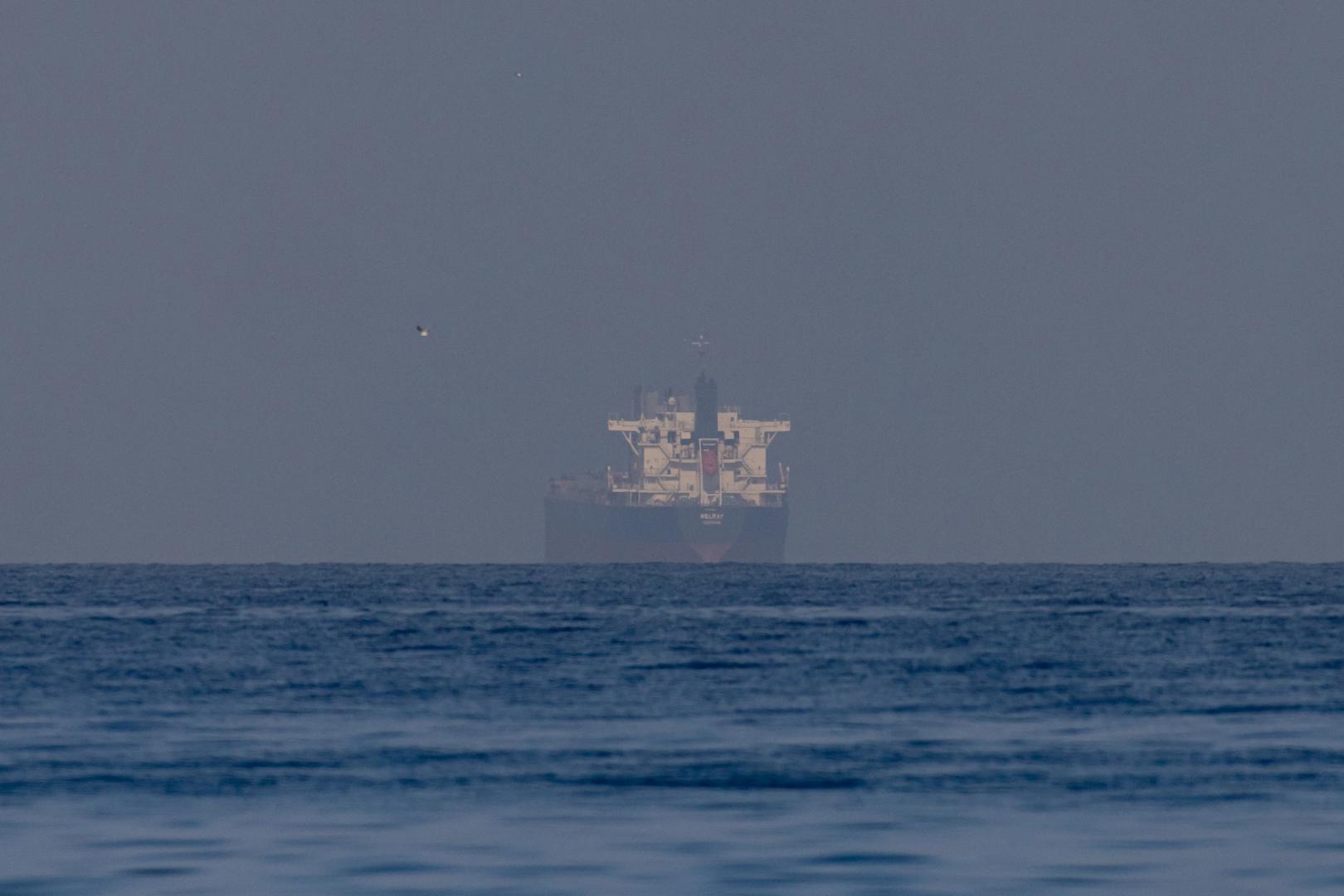
Bitcoin experienced a notable decline, trading at $76,923 on Tuesday morning–a drop of 2.4% over the previous 24 hours. This downturn follows a failed attempt to breach the $79,400 mark, which had been a significant psychological level for traders. Meanwhile, the broader cryptocurrency market reflected similar bearish sentiment, with the entire top ten cryptocurrencies closing in the red. The decline comes in tandem with a surge in Brent crude oil prices, which have reached a three-week high as geopolitical tensions in the Hormuz Strait have escalated.
The backdrop to this market movement is rooted in rising oil prices driven by supply concerns in the Middle East. The Hormuz Strait, a vital passage for global oil shipments, has seen increased military activity and standoffs that have raised fears of potential disruptions. As oil prices climb, traditional markets often react, and this ripple effect can influence the cryptocurrency landscape. Investors may shift their focus toward commodities like oil, causing liquidity to dwindle in digital assets.
This situation is particularly relevant for the cryptocurrency market, as correlations have been observed between oil prices and Bitcoin, especially during periods of heightened economic uncertainty. The drop in Bitcoin and other altcoins may be indicative of a broader trend where investors are reallocating their assets in response to external geopolitical factors. The stability and performance of cryptocurrencies often hinge on macroeconomic conditions, and rising oil prices can lead to increased volatility in digital assets.
Industry experts are weighing in on the implications of this market movement. Some analysts suggest that the current oil price rally could lead to increased inflationary pressures, which may impact the broader market sentiment toward risk assets, including cryptocurrencies. Others argue that Bitcoin's role as a hedge against inflation remains intact, though its immediate reaction to market events can be unpredictable. The consensus is that while Bitcoin has shown resilience in the face of adversity, the ongoing geopolitical tensions could create persistent volatility.
Looking ahead, market participants will likely keep a close eye on the developments in the Hormuz Strait and the broader implications for oil prices. Should tensions escalate further, we may see continued fluctuations in both the cryptocurrency and traditional markets. Additionally, traders are expected to monitor Bitcoin's performance closely, particularly as it approaches key resistance levels. The interplay between oil prices and cryptocurrencies will remain a focal point for investors as they navigate this complex landscape.

인사이트에서 읽기:
![[트럼프 컨퍼런스] “비트코인 15만달러 간다”…알프레드·스토리 이승윤·샤오, ‘강세론’ 한목소리](https://cdn.blockmedia.co.kr/wp-content/uploads/2026/04/20260428-081341-560x315.jpg)


![[트럼프 컨퍼런스] “AI는 역사상 가장 가파른 성장 산업”⋯진짜 병목은 ‘GPU·전력·희토류’](https://cdn.blockmedia.co.kr/wp-content/uploads/2026/04/20260428-055822-560x315.jpg)