World rolls out World ID ‘proof of human’ upgrade with Tinder integration, Zoom feature and ticketing tools

World has announced a significant upgrade to its World ID system, introducing new features aimed at enhancing its "proof of human" technology. This upgrade includes integrations with popular platforms like Tinder, enabling users to verify their identities while seeking connections. Additionally, a new feature for Zoom is set to combat deepfake risks during virtual meetings, ensuring that participants can trust the authenticity of their interactions. Furthermore, the upgrade introduces ticketing tools that could streamline the process of verifying attendees at events, contributing to more secure and reliable experiences across various platforms.
To understand the importance of this upgrade, it is essential to consider the growing concerns around identity verification and authenticity in the digital age. As online interactions increase and platforms expand, the risk of impersonation and deepfakes has also risen. The introduction of World ID's features aims to address these challenges head-on. The partnership with Tinder highlights a shift towards safer online dating, while the Zoom integration acknowledges the necessity for security in remote communications. The ticketing tools are another layer of protection that can enhance trust in event attendance, which has become crucial in a world still grappling with the impacts of the pandemic.
This upgrade is likely to have significant implications for the market, particularly in sectors where identity verification is critical. Companies that leverage this technology could gain a competitive edge by ensuring a safer environment for users. Moreover, as regulatory bodies increasingly focus on digital identity verification, World’s technology could become a benchmark in the industry, influencing standards and practices across various sectors. The market may see a ripple effect, where businesses invest in similar technologies to enhance their security measures and build user trust.
Industry experts have expressed cautious optimism regarding this development. Many view the integration of World ID with widely used platforms like Tinder and Zoom as a progressive move towards a more secure online ecosystem. Analysts suggest that these features may set a precedent for other companies to follow, promoting the adoption of similar verification technologies. However, there are concerns about privacy implications and the potential for misuse, which could lead to pushback from users wary of sharing personal information. The balance between security and privacy will be a crucial discussion point as more entities explore these advancements.
Looking ahead, it will be interesting to see how users respond to these new features and whether they will lead to widespread adoption of World ID technology. The success of this upgrade could determine the future trajectory of identity verification solutions in the digital landscape. If embraced, we may witness a shift in how individuals and organizations approach online interactions, further solidifying the importance of secure identity verification in an increasingly digital world.

CoinMagnetic Team
Crypto investors since 2017. We trade with our own money and test every exchange ourselves.
Updated: April 2026
From our insights:
Related news

ZetaChain votes to shut down Layer 1 network and move ZETA to Solana

Solana reduces block times by 17% with latest upgrade, boosting transaction freshness

Optimism secures upgrade for Superchain to enable interoperability

Solana boosts transaction size by 3x amid surge in network activity
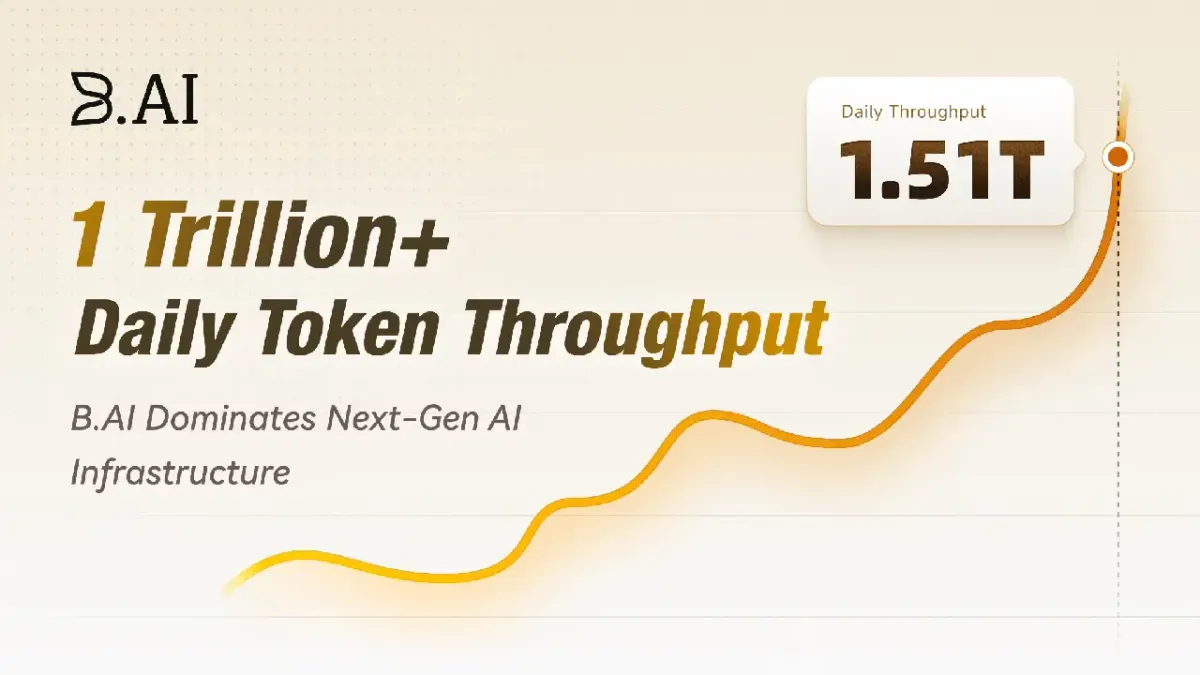
B.AI achieves record 1.51 trillion tokens daily throughput for AI infrastructure