Why XRP Ledger is becoming a $3.6B hot spot for tokenized energy commodities

The XRP Ledger (XRPL) has emerged as a significant player in the tokenized energy commodities market, currently boasting around $3.6 billion in real-world assets (RWAs), excluding stablecoins. This impressive figure is divided into approximately $1 billion in distributed assets and $2.6 billion in represented assets. Notably, the majority–71%–of these RWAs are represented assets, indicating a strong reliance on the XRPL for record-keeping and reconciliation purposes. This trend highlights the XRPL's growing role as a foundational layer in the energy commodities sector, where blockchain technology can enhance transparency and efficiency.
The rise of XRPL in the tokenized commodities space can be traced back to the increasing demand for innovative solutions in energy trading. As the global energy market faces new challenges such as sustainability and regulatory compliance, traditional trading mechanisms struggle to keep pace. Blockchain technology, with its ability to provide a secure and immutable ledger, presents an attractive alternative. The XRPL has been positioned effectively to capture this shift, offering a robust platform that allows for seamless integration of real-world assets into the digital realm.
This development is significant for the broader market as it signals a growing acceptance of blockchain technology in the traditional commodities sector. The influx of capital into tokenized energy commodities on the XRPL showcases a shift in investor sentiment towards more innovative and efficient trading methodologies. Moreover, the $3.6 billion valuation indicates a burgeoning confidence in the potential of tokenized assets to reshape how commodities are traded, stored, and verified. As more players enter this space, we could see increased competition and innovation, further solidifying blockchain's role in the energy sector.
Industry experts have expressed optimism regarding XRPL's trajectory. Many believe that its unique architecture and focus on RWAs position it well to meet the evolving needs of the energy market. Analysts cite the ledger's speed and scalability as key advantages, allowing for faster transactions and greater capacity to handle large volumes of trades. Companies exploring tokenization are also keen to leverage XRPL’s capabilities, which could lead to collaborations and partnerships that enhance its ecosystem.
Looking ahead, the XRPL is poised for continued growth, especially as regulatory frameworks around tokenized assets evolve. The ongoing interest from both traditional energy companies and new entrants in the blockchain space may fuel further innovation and investment. As the market matures, we expect to see more sophisticated solutions emerge that capitalize on the advantages offered by XRPL, reinforcing its status as a hot spot for tokenized energy commodities.

CoinMagnetic Team
Crypto investors since 2017. We trade with our own money and test every exchange ourselves.
Updated: May 2026
From our insights:
Related news
ZetaChain votes to shut down Layer 1 network and move ZETA to Solana
Solana reduces block times by 17% with latest upgrade, boosting transaction freshness
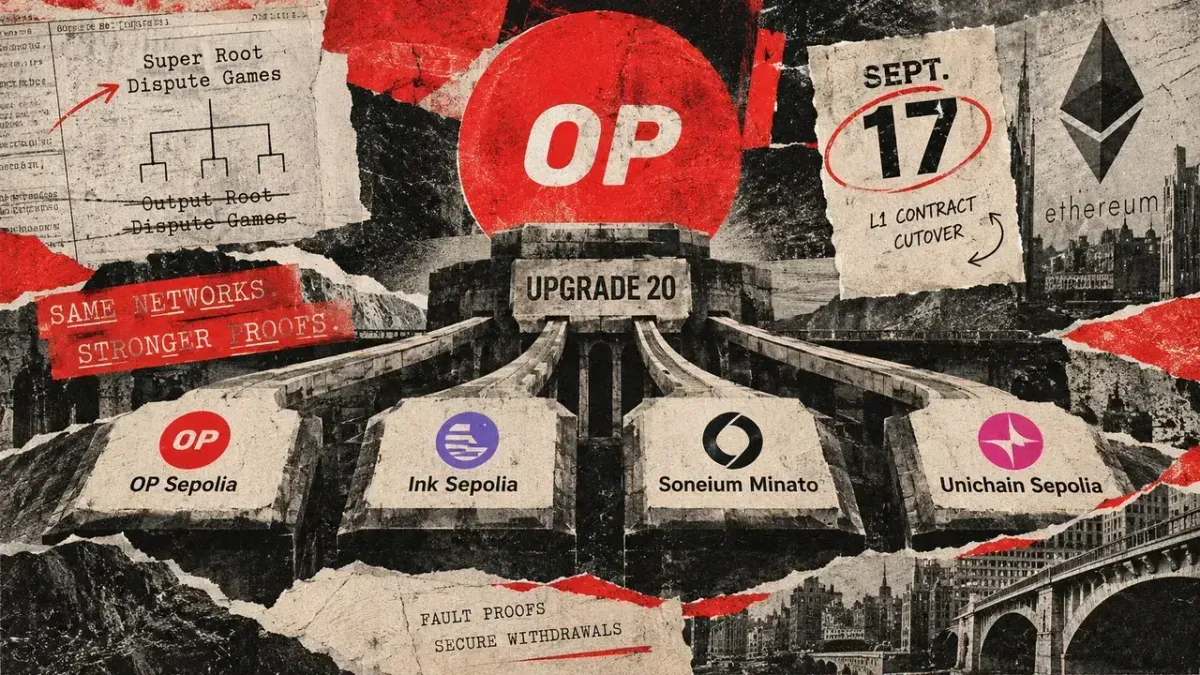
Optimism secures upgrade for Superchain to enable interoperability

Solana boosts transaction size by 3x amid surge in network activity
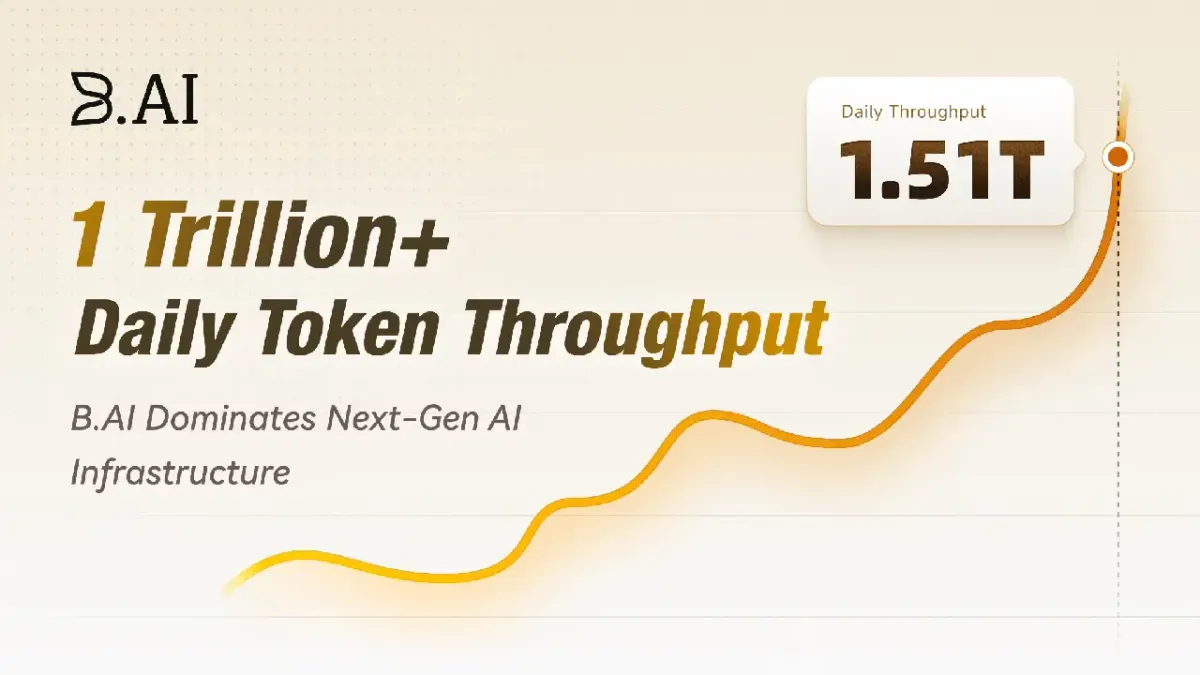
B.AI achieves record 1.51 trillion tokens daily throughput for AI infrastructure