U.S. CFTC's Selig says AI has helped make up for staffing cuts at key crypto watchdog
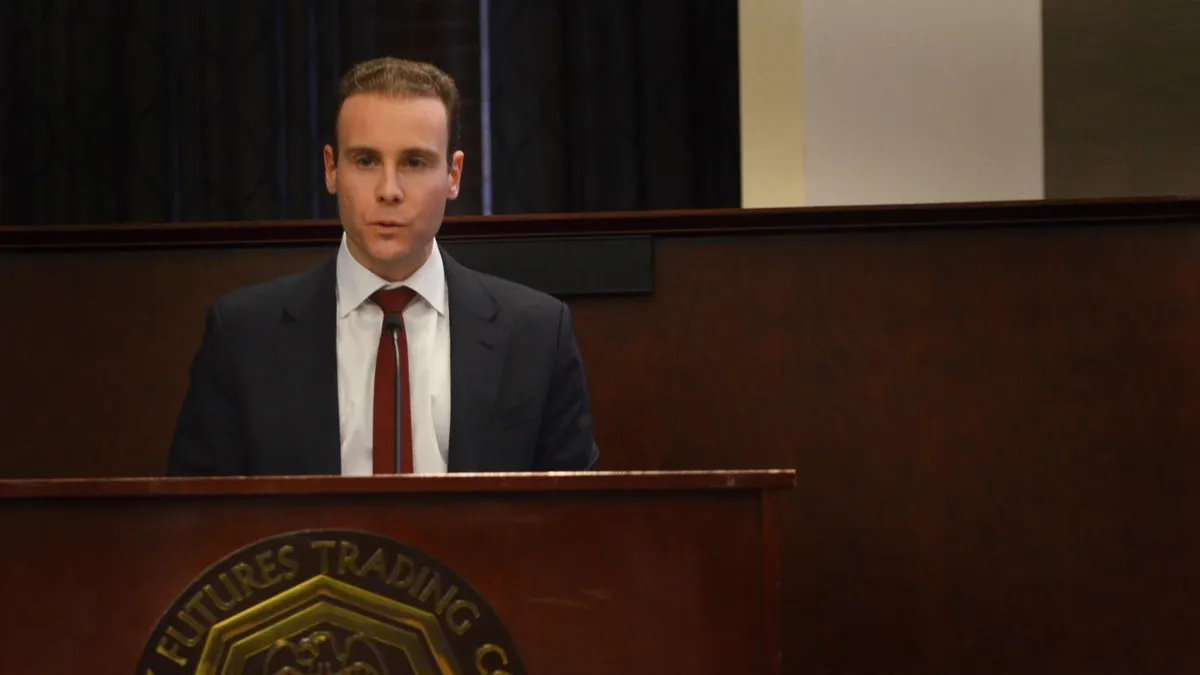
In a recent statement, U.S. Commodity Futures Trading Commission (CFTC) Chairman Mike Selig highlighted how advancements in artificial intelligence have played a crucial role in enhancing the agency's capabilities, particularly in the realm of cryptocurrency regulation. As the CFTC faces mounting responsibilities related to both crypto markets and prediction markets, Selig revealed that the agency has initiated "numerous investigations" to address emerging challenges and ensure compliance within this rapidly evolving sector. The incorporation of AI tools is seen as a means to bridge the gap left by recent staffing cuts, enabling the CFTC to maintain its oversight function effectively.
The backdrop of these developments includes a significant uptick in trading volumes and the proliferation of digital assets, which have necessitated a more robust regulatory framework. Over the past few years, the CFTC has been tasked with overseeing various crypto trading platforms, derivatives, and other financial products linked to digital currencies. This has become increasingly relevant as the crypto industry matures, with both institutional and retail investors flocking to these markets. The agency's ability to keep pace with innovations while safeguarding market integrity is now more critical than ever.
This news carries substantial implications for the crypto market as it signals a heightened level of scrutiny from regulators. The CFTC's proactive stance in opening investigations may instill a sense of caution among market participants, potentially influencing trading behavior and investment strategies. Furthermore, as the regulatory landscape becomes more defined, players in the crypto space may need to adapt their operations to remain compliant, which could lead to shifts in market dynamics. The use of AI to enhance regulatory oversight is particularly relevant in this context, as it may streamline processes and improve the speed and accuracy of investigations.
Industry experts have expressed mixed reactions to Selig's comments. Some view the integration of AI as a necessary evolution in regulatory practices, suggesting that it could lead to more efficient monitoring and enforcement, which could ultimately foster greater trust in the crypto markets. Others, however, caution that reliance on technology should not come at the expense of human oversight, emphasizing the need for a balanced approach that combines both AI capabilities and experienced regulatory professionals.
Looking ahead, the CFTC's continued exploration of AI in its operational strategy will likely shape the trajectory of regulatory measures within the crypto sector. As the agency navigates its new responsibilities, stakeholders will be keenly watching how these investigations unfold and what implications they may have for the broader market. The potential for increased regulatory clarity, fueled by advancements in technology, could ultimately lead to a more stable environment for crypto investments, although the path forward will undoubtedly be complex and closely monitored.

CoinMagnetic Team
Crypto investors since 2017. We trade with our own money and test every exchange ourselves.
Updated: April 2026
From our insights:
Related news
Iran hints at reopening Strait of Hormuz, WTI oil drops to $89

New altseason signal emerges as Bitcoin market cap stays under 60%

Bitcoin nears $86,000 as crypto market cap surpasses $3 trillion

Bitcoin's weekly close above $81,000 signals potential rise to $90,000

Elon Musk's X integrates bitcoin trading options for U.S. users