Trillions of dollars in crypto liquidity is concentrating inside the venues US regulators fear most

Recent reports highlight a striking trend in the crypto market: liquidity is becoming increasingly concentrated within a select few trading venues, which has raised alarms among global regulators. According to data from CryptoQuant, Binance, the largest crypto exchange globally, recorded over $1 trillion in trading volume within just the first 112 days of the year. This concentration of liquidity is leading to the emergence of what researchers warn could evolve into a highly leveraged "shadow crypto financial system." As these large platforms dominate trading activities, the implications for market stability and regulatory oversight become more pronounced.
To understand the significance of this trend, we must consider the historical context of crypto trading. In the early days of cryptocurrency, trading was largely decentralized, with numerous platforms offering diverse options for users. However, as the market matured, larger exchanges began to consolidate their positions, creating an environment where a few players hold substantial power. This shift has not only changed the competitive landscape but has also drawn the scrutiny of regulators, particularly in the United States, where concerns about market manipulation and systemic risks are rising.
The hyper-concentration of liquidity within a handful of venues poses multiple risks to the broader crypto ecosystem. First, it can lead to greater volatility, as the actions of a few exchanges can significantly impact prices across the entire market. Moreover, this concentration raises questions about transparency and the potential for market manipulation, as a limited number of players could exert undue influence. Regulators may find it increasingly challenging to monitor and control these entities, creating an environment where illicit activities could flourish without appropriate oversight.
Industry reactions to these developments are varied, with some experts highlighting the potential for innovation and efficiency that may arise from larger platforms. They argue that as liquidity becomes concentrated, it could lead to improved price discovery and tighter spreads for traders. Others, however, express concern over the systemic risks that could arise from such a concentrated market structure. Prominent voices in the industry are calling for clearer regulatory frameworks that can address these challenges while still fostering growth and innovation within the sector.
Looking ahead, it remains to be seen how regulators will respond to this evolving landscape. As the crypto market continues to grow and mature, we may witness increased scrutiny of large trading venues and their practices. This could lead to a push for more robust regulatory measures aimed at ensuring market integrity and protecting investors. As the situation develops, stakeholders in the crypto space will need to navigate these changes carefully to maintain balance between innovation and regulation.

CoinMagnetic Team
Crypto investors since 2017. We trade with our own money and test every exchange ourselves.
Updated: April 2026
From our insights:
Related news

William Blair sees Coinbase and Circle shares benefiting from crypto recovery
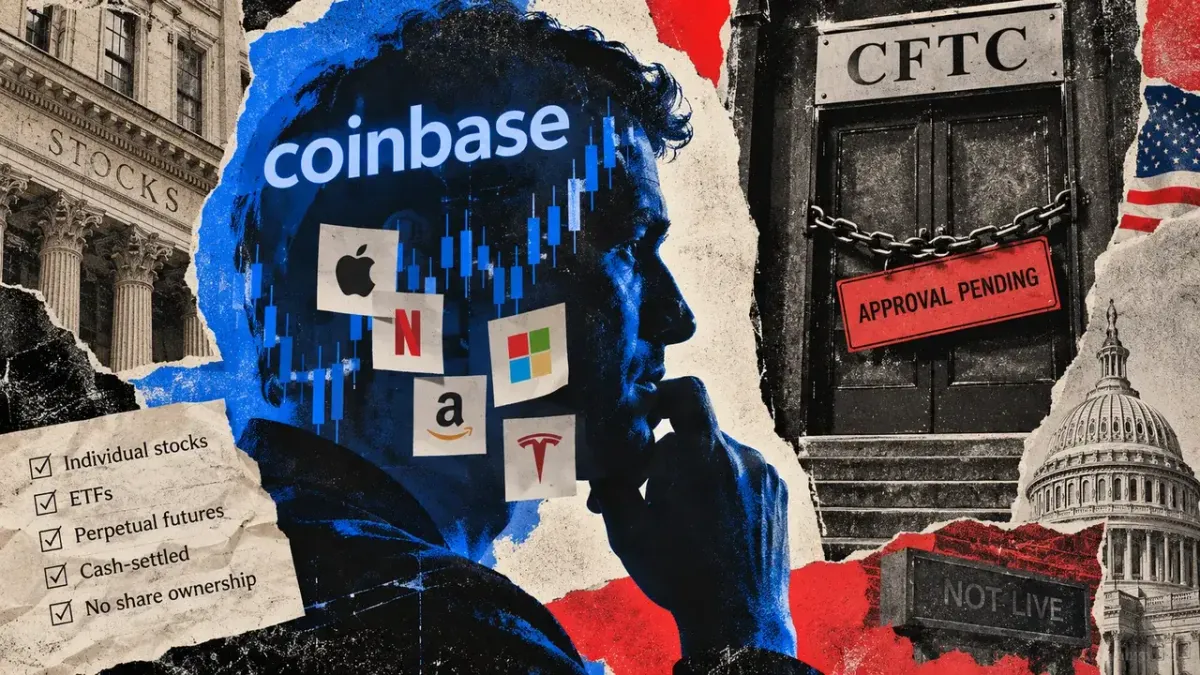
Coinbase plans to launch cash-settled stock futures amid CFTC delays
Coinbase adds fixed-rate bitcoin-backed loans through Morpho Midnight

Binance invests $100 million in Circle as part of expanded USDC partnership

Binance invests $100 million in Circle for USDC promotion over five years