The next Fed chair has crypto exposure in portfolio. Here are the details
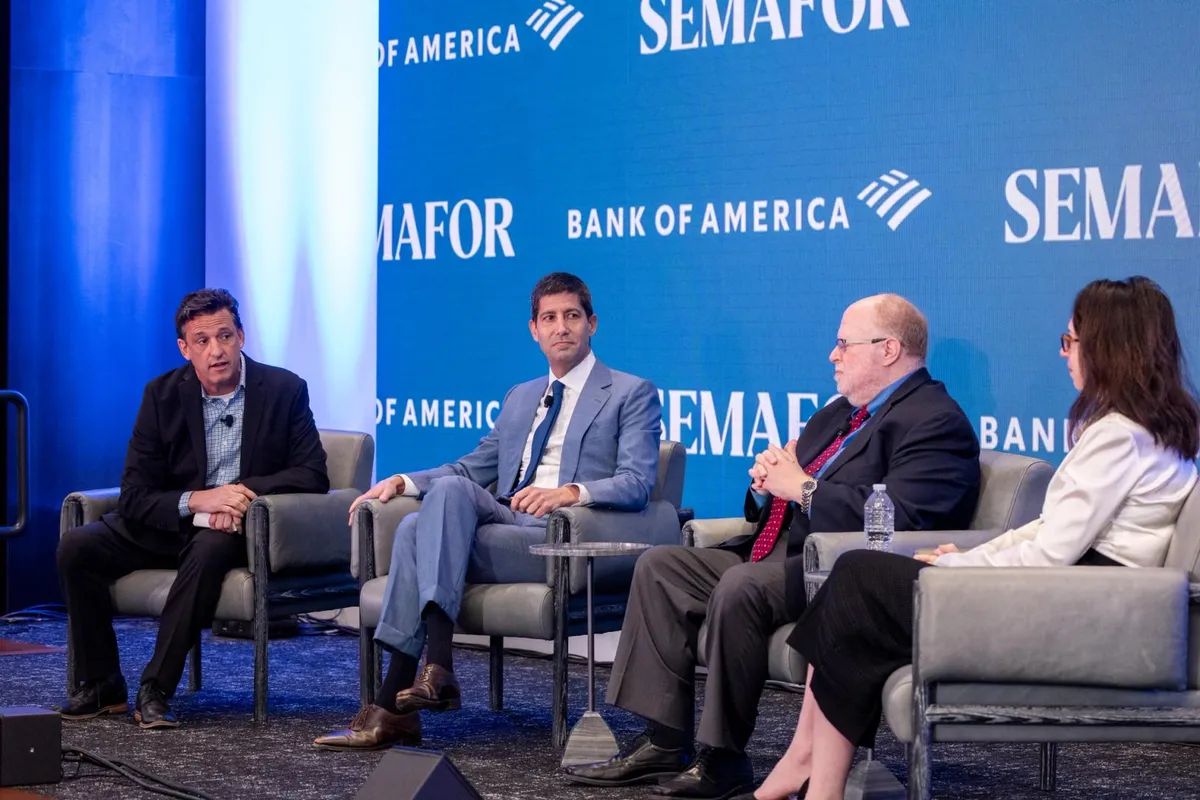
Recent financial disclosures have revealed that Kevin Warsh, a potential candidate for the next chair of the Federal Reserve, holds significant exposure to cryptocurrency assets. His portfolio includes stakes in decentralized finance (DeFi) protocols, Ethereum scaling networks, a Bitcoin Lightning startup, and prediction markets. Warsh has committed to divesting these assets should he be confirmed for the position, as he aims to avoid any conflicts of interest during his tenure. This revelation has sparked discussions about the intersection of traditional finance and the rapidly evolving crypto landscape.
Warsh's background is noteworthy; he previously served as a member of the Federal Reserve Board of Governors from 2006 to 2011 and has extensive experience in both academia and the private sector. His deep understanding of monetary policy and financial markets is complemented by his recent investments in crypto, which indicate a recognition of the growing importance of digital assets within the broader financial ecosystem. The fact that a former Fed board member is actively engaging with cryptocurrencies underscores the increasing acceptance of these technologies among established financial institutions and regulators.
The implications of Warsh's crypto exposure are significant for the market. His potential nomination could signal a more open attitude towards digital currencies within the Federal Reserve, especially as the U.S. grapples with the implications of a digital dollar and the regulatory frameworks needed for cryptocurrencies. If approved, Warsh's leadership might encourage a more nuanced understanding of crypto's role in the economy, possibly leading to more favorable policies that could positively impact market sentiment and drive innovation in the sector.
Industry reactions to Warsh's financial disclosure have been mixed. Some experts view his investments as a positive sign, suggesting that having someone with a practical understanding of crypto could lead to more effective regulatory approaches. Others, however, express concern over potential conflicts of interest and the implications of a central bank leader with vested interests in a space that is often viewed as unregulated and risky. The ongoing debate highlights the challenges regulators face in balancing innovation with consumer protection and financial stability.
As the nomination process unfolds, all eyes will be on how Warsh navigates the scrutiny of his crypto holdings. The broader financial community will be keenly interested in his stance on digital currencies and how it might influence future Federal Reserve policies. If Warsh is confirmed, we may see an era where the central bank takes a more proactive approach to understanding and integrating cryptocurrencies into its framework, shaping the future of the financial landscape in profound ways.

CoinMagnetic Team
Crypto investors since 2017. We trade with our own money and test every exchange ourselves.
Updated: April 2026
From our insights:
Related news

Elon Musk's influence drives Dogecoin to highest price in months
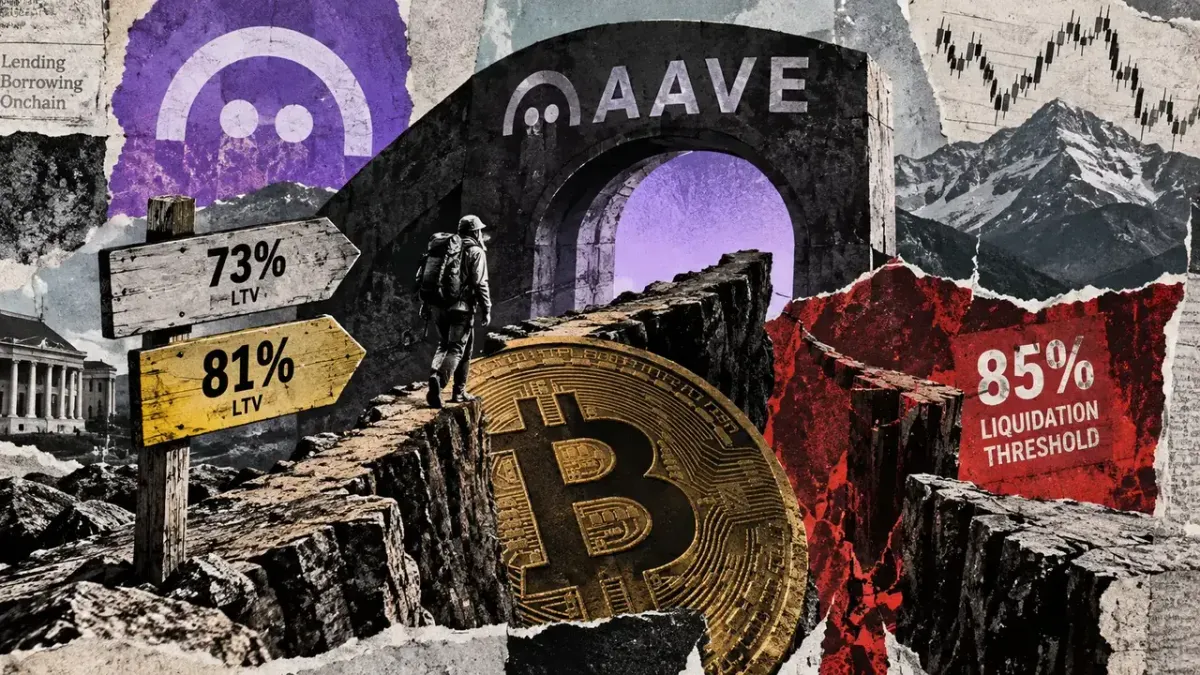
Aave's plan could expose Bitcoin loans to 4.7% price dips with higher leverage

Bitcoin price targets $86K support as oil falls under $90
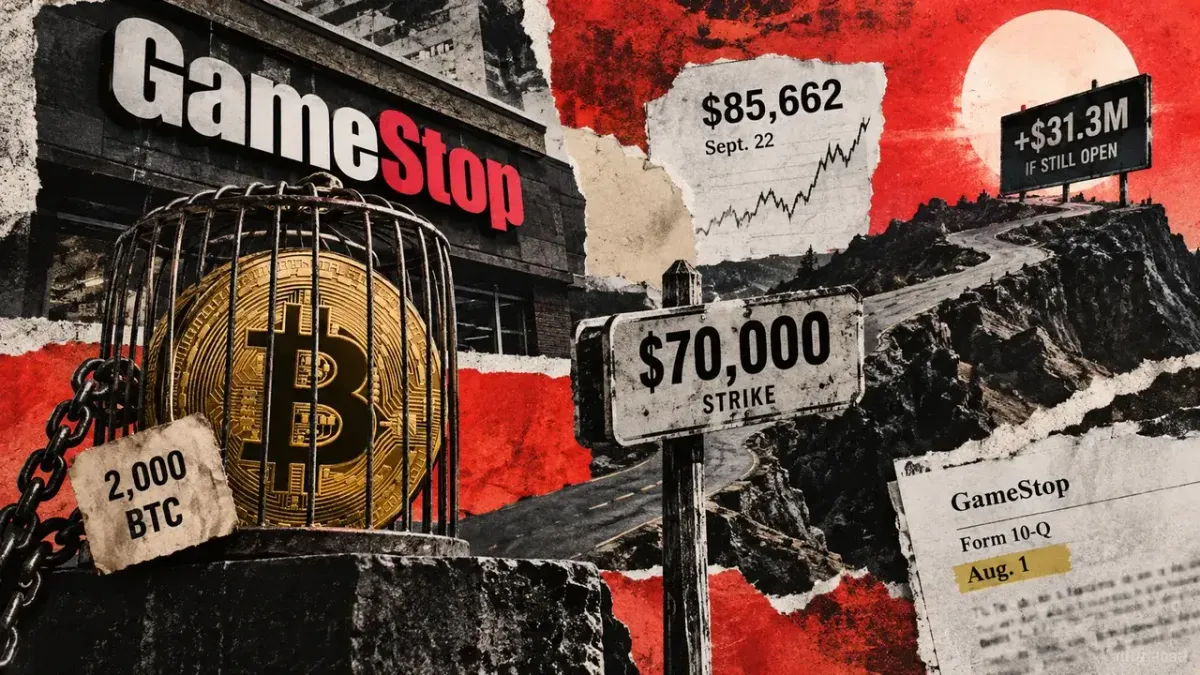
GameStop possibly forfeits $31 million in Bitcoin gains from options trade

Researchers trace 1.1 million Bitcoin to early miner but Satoshi's identity remains unclear