The future of institutional crypto runs through prime brokerages

Recent developments in the cryptocurrency landscape highlight a significant shift in how institutional investors engage with digital assets. Ripple's acquisition of Hidden Road, a prime brokerage, for $1.25 billion underscores the growing importance of prime brokerages in facilitating institutional crypto transactions. This move not only enhances Ripple's operational capabilities but also signals a broader trend towards adopting traditional finance (TradFi) custody standards within the crypto industry. As institutions increasingly seek reliable and regulated pathways into the crypto market, the role of prime brokerages becomes even more critical.
Prime brokerages serve as intermediaries that provide essential services such as custody, trade execution, and risk management for institutional investors. Historically, these entities have been pivotal in the traditional finance sector, allowing hedge funds and asset managers to navigate complex markets. The integration of these services into the cryptocurrency space is a natural progression, especially as institutional participation in crypto continues to rise. By enforcing TradFi custody standards, prime brokerages can offer a level of security and trust that has been a barrier for many institutions considering crypto investments.
The implications for the market are profound. As more institutions leverage prime brokerages, we can expect a surge in institutional capital flowing into cryptocurrencies. This influx could lead to increased price stability and market maturity, as institutional investors typically bring a level of professionalism and long-term vision that is less prevalent with retail trading. Moreover, the establishment of robust infrastructure through acquisitions like Ripple's can foster regulatory compliance, thereby enhancing the overall legitimacy of the crypto market.
Industry reaction to Ripple's acquisition has been largely positive, with many experts viewing it as a validation of the prime brokerage model within the crypto space. Analysts suggest that this move may pave the way for other traditional financial institutions to explore similar partnerships or acquisitions, further blending the lines between traditional finance and the burgeoning world of digital assets. The consensus is that as institutional players become more comfortable with the crypto landscape, we will likely see innovations in products and services that cater specifically to their needs.
Looking ahead, the future of institutional crypto seems increasingly intertwined with the growth of prime brokerages. As these entities continue to evolve and adapt to the unique challenges of the crypto market, we can anticipate a more structured and secure environment for institutional investors. This evolution could lead to new financial instruments and a broader acceptance of digital assets, ultimately shaping the trajectory of the entire cryptocurrency ecosystem.

CoinMagnetic Team
Crypto investors since 2017. We trade with our own money and test every exchange ourselves.
Updated: April 2026
From our insights:
Related news
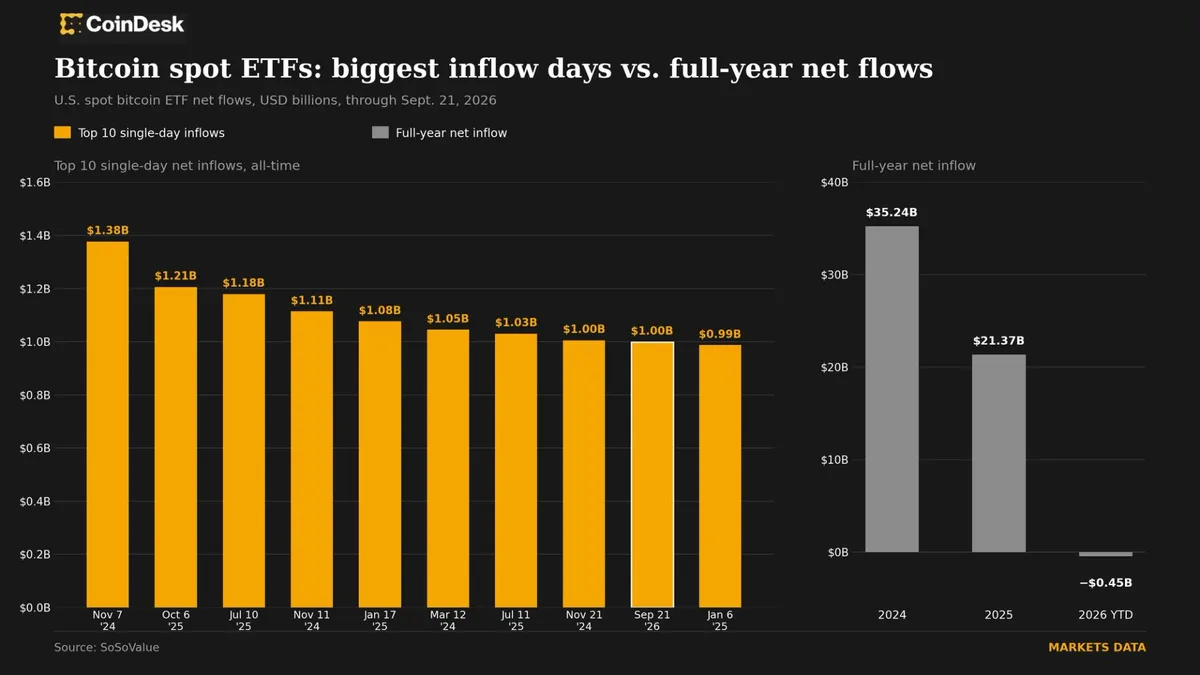
Spot bitcoin ETFs see nearly $1 billion inflow as bitcoin hits January highs

US spot Bitcoin ETFs see nearly $1 billion inflow, highest since October 2025

Bitcoin's rise to $86,000 restores profitability for ETF investors
Apple and Google seek crypto experts, signaling potential stablecoin initiatives

ECB initiates bond purchases using its own funds in crypto-linked system