Jamie Dimon says JPMorgan must move faster as tokenization reshapes finance

In his recent annual letter to shareholders, Jamie Dimon, the CEO of JPMorgan Chase, emphasized the urgent need for the bank to accelerate its efforts in the evolving landscape of finance, particularly as tokenization becomes increasingly prevalent. Dimon pointed out that a “whole new set of competitors is emerging based on blockchain,” highlighting the transformative potential of this technology. He underscored the importance of not only recognizing these new entrants but also adapting to their innovations to remain competitive in the rapidly changing financial sector.
Tokenization, which refers to the process of converting rights to an asset into a digital token on a blockchain, has gained significant traction in recent years. It has the potential to revolutionize various sectors, including real estate, finance, and supply chain management, by enhancing liquidity and access to assets. Major players in the financial industry are beginning to explore blockchain solutions to streamline operations, reduce costs, and improve transparency. Dimon’s remarks reflect a growing acknowledgment among traditional financial institutions that they must embrace these technological advancements or risk being left behind.
The implications of Dimon's statements for the market are substantial. As traditional banks face competition from emerging blockchain-based companies, there is a pressing need for innovation and agility. If JPMorgan and its peers can successfully integrate tokenization and blockchain technologies into their offerings, they may not only maintain their market share but also unlock new revenue streams. This shift could lead to greater efficiency in financial transactions and even create new business models. Conversely, failure to adapt could result in significant losses in market position and profitability.
Responses from industry experts have been mixed, with some applauding Dimon’s proactive stance while others remain skeptical about the pace of change within large financial institutions. Some analysts argue that while JPMorgan is taking the right steps, the inherent bureaucracy and risk-averse nature of traditional banks may hinder their ability to innovate quickly. Others believe that Dimon’s public acknowledgment of the need for faster adaptation is a positive signal for the sector, potentially encouraging other banks to follow suit in acknowledging the importance of blockchain technology.
Looking ahead, it will be interesting to see how JPMorgan and other banks respond to this call for urgency. The financial landscape is poised for significant transformation, and the race to adopt new technologies will likely intensify. As tokenization continues to gain momentum, we can expect more developments from JPMorgan and its competitors, including potential partnerships, investments in blockchain startups, and the launch of new tokenized financial products. The coming months will be crucial in determining whether traditional banks can truly keep pace with the rapid advancements being made in the blockchain space.

CoinMagnetic Team
Crypto investors since 2017. We trade with our own money and test every exchange ourselves.
Updated: April 2026
From our insights:
Related news

21shares launches first European ETP for Zcash after US ETF debut
Bitcoin ETFs attract nearly $1B in a single day as holders regain profitability
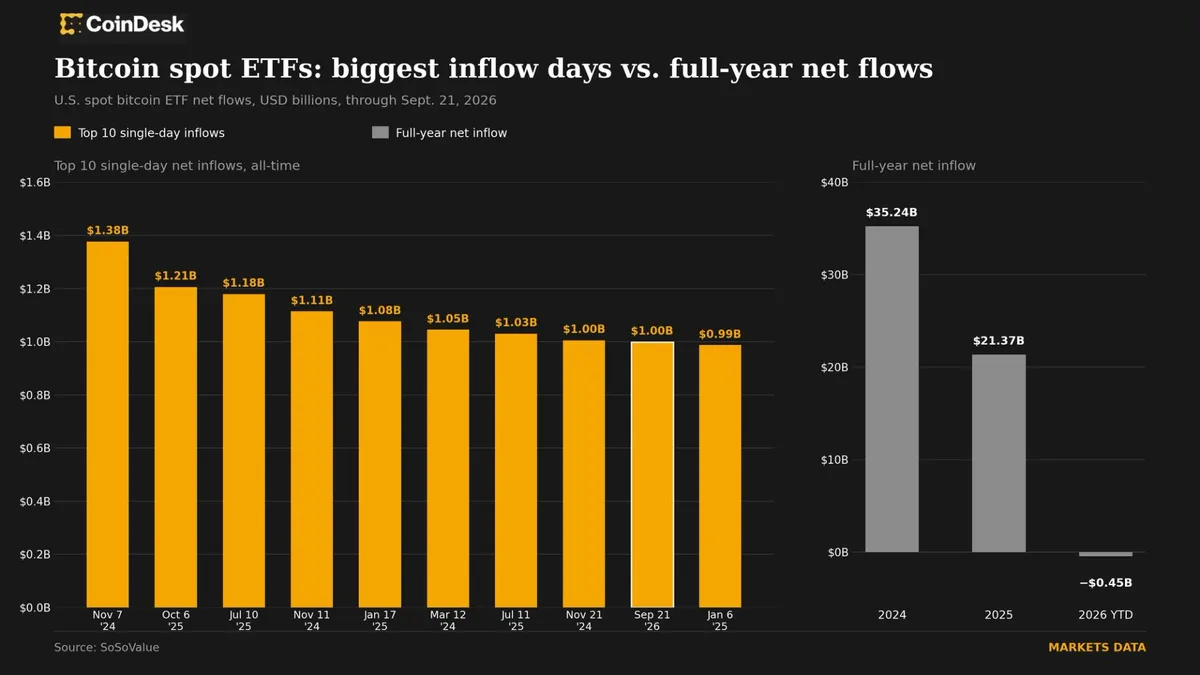
Spot bitcoin ETFs see nearly $1 billion inflow as bitcoin hits January highs

US spot Bitcoin ETFs see nearly $1 billion inflow, highest since October 2025
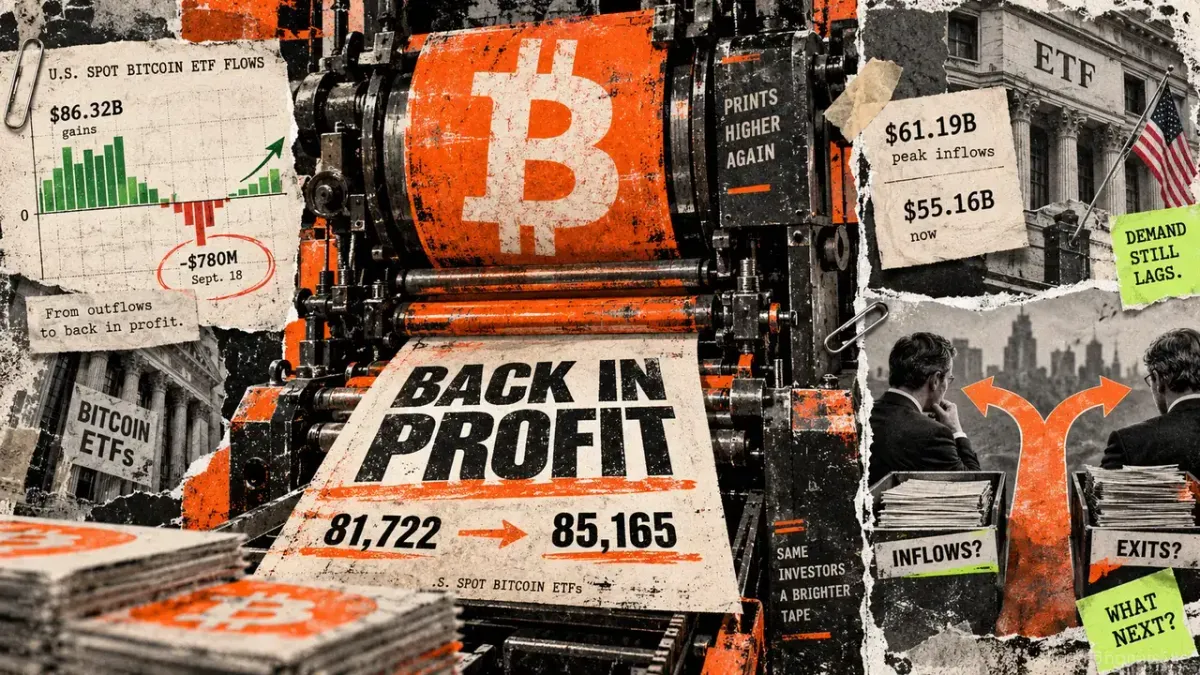
Bitcoin's rise to $86,000 restores profitability for ETF investors