The AI-crypto disconnect: Why Pantera’s CEO thinks institutions are missing the boat on bitcoin

In a recent statement, Dan Morehead, the CEO of Pantera Capital, highlighted a significant disparity in the valuation of artificial intelligence (AI) stocks compared to Bitcoin. Morehead described this situation as the "biggest divergence in history," pointing out that while AI stocks have reached inflated valuations, Bitcoin is trading at a substantial 43% below its historical trend. This observation has sparked discussions within the investment community about the potential mispricing of Bitcoin and the broader implications for institutional investors.
To understand this disconnect, it's essential to consider the rapid ascent of AI technologies in recent years. The surge in interest and investment in AI has driven stock prices for tech companies associated with this sector to unprecedented heights. In contrast, Bitcoin, despite its established status as a digital asset, has faced headwinds such as regulatory uncertainties and market sentiment fluctuations. Morehead's analysis suggests that institutions may be overlooking Bitcoin's potential as a store of value and a hedge against inflation, especially when compared to the speculative nature of AI investments.
This divergence is particularly noteworthy for the cryptocurrency market, as it may signal a turning point for Bitcoin's future valuation. With institutional interest playing a pivotal role in the crypto ecosystem, Morehead's assertions could prompt a reevaluation of Bitcoin's worth among these investors. If institutions begin to recognize Bitcoin as undervalued, we could see a significant influx of capital, potentially driving prices upward. This shift might also lead to a broader acceptance of Bitcoin as a legitimate asset class, further integrating it into mainstream financial portfolios.
Industry reactions to Morehead's comments have been mixed, with some experts agreeing with his assessment while others remain skeptical. Many believe that the current market dynamics reflect a temporary phase, driven by speculative behaviors in both AI and crypto markets. However, proponents of Bitcoin argue that it is fundamentally different from AI stocks, as it offers a decentralized alternative to traditional finance and a hedge against economic instability. The ongoing debate highlights the divergent perspectives within the investment community regarding the value and future of Bitcoin in comparison to emerging technologies.
Looking ahead, the conversation surrounding Bitcoin and its position relative to AI stocks will likely intensify. As institutions continue to assess their investment strategies, we may see a shift in focus towards Bitcoin, especially if the asset's undervaluation persists. Furthermore, ongoing regulatory developments and market trends will play a crucial role in shaping investor sentiment. The coming months may reveal whether Morehead's predictions hold true and how they could influence the trajectory of both the cryptocurrency and AI markets.

CoinMagnetic Team
Crypto investors since 2017. We trade with our own money and test every exchange ourselves.
Updated: April 2026
From our insights:
Related news

Bitcoin's weekly close above $81,000 signals potential rise to $90,000

Elon Musk's X integrates bitcoin trading options for U.S. users
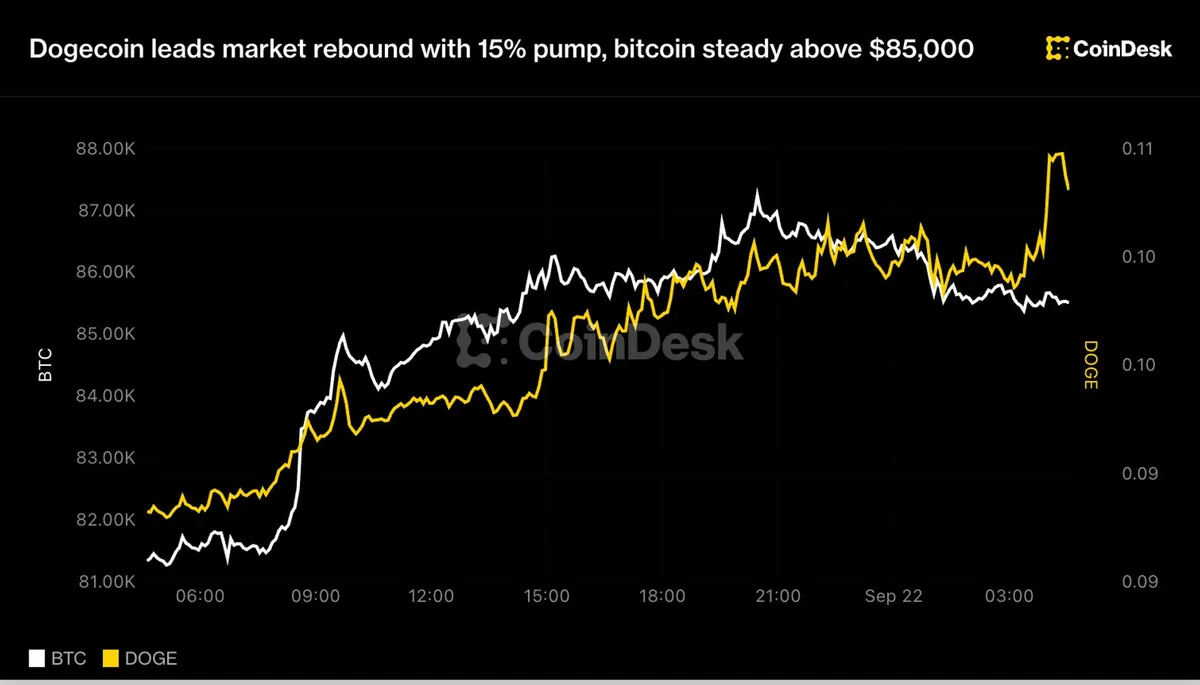
Dogecoin's 15% surge drives market recovery as bitcoin stabilizes above $85,000

Cardano adds tools for AI agent payments, joining Solana and XRP Ledger

Trueo prediction market moves from Base to Ethereum