SocialFi app Believe founder arrested on strangulation charges following rug pull lawsuit
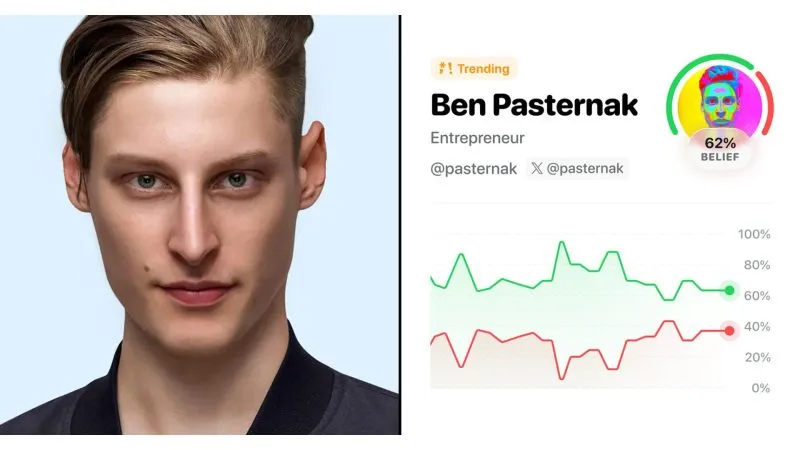
The recent arrest of Believe founder Ivan Pasternak on charges of strangulation has sent shockwaves through the crypto community, particularly among investors of the SocialFi app. Pasternak is not only facing criminal charges but is also embroiled in a civil class-action lawsuit where investors allege that he orchestrated a rug pull involving Believe's native token. This dual legal battle has raised significant concerns about the integrity and security of projects within the rapidly evolving SocialFi landscape.
To understand the implications of this situation, it's important to note that Believe was positioned as a promising player in the SocialFi sector, which merges social media and decentralized finance. The app aimed to empower users by allowing them to earn rewards for their social interactions. However, the allegations of a rug pull–a scenario where developers abandon a project and take investors' funds–have cast a long shadow over its credibility. Rug pulls have become increasingly common in the crypto space, undermining investor confidence and prompting calls for greater regulatory oversight.
The market's reaction to Pasternak's arrest and the allegations against him has been predictably negative. Following the news, Believe's native token saw a significant drop in value, reflecting investors' fears and the potential fallout from the ongoing legal proceedings. This incident could serve as a cautionary tale for potential investors in the SocialFi sector, highlighting the risks involved in projects that have not yet established a solid track record. The situation may also provoke a broader discussion about accountability in the crypto market, as stakeholders call for more robust measures to protect investors.
Industry experts have expressed a mix of concern and skepticism regarding the future of SocialFi platforms in light of this incident. Some analysts are warning that such scandals could hinder the growth of innovative projects, as investors become increasingly wary of new entrants in the market. On the other hand, there are voices advocating for stronger regulatory frameworks that could help prevent fraud and protect investors, potentially leading to a more sustainable growth environment for legitimate projects.
Looking ahead, the outcome of both the criminal case and the civil class-action lawsuit will likely set important precedents for the SocialFi industry. If Pasternak is found guilty, it could trigger further scrutiny of similar projects and prompt investors to demand greater transparency and accountability from developers. Conversely, if he is exonerated, it may lead to a brief resurgence of confidence in the sector–but the damage done to Believe's reputation may take much longer to repair. As the situation unfolds, stakeholders will be closely monitoring the developments to gauge their impact on the broader crypto market.

CoinMagnetic Team
Crypto investors since 2017. We trade with our own money and test every exchange ourselves.
Updated: April 2026
From our insights:
Related news

DeepSeek to address UN Security Council on AI risks alongside Dario Amodei
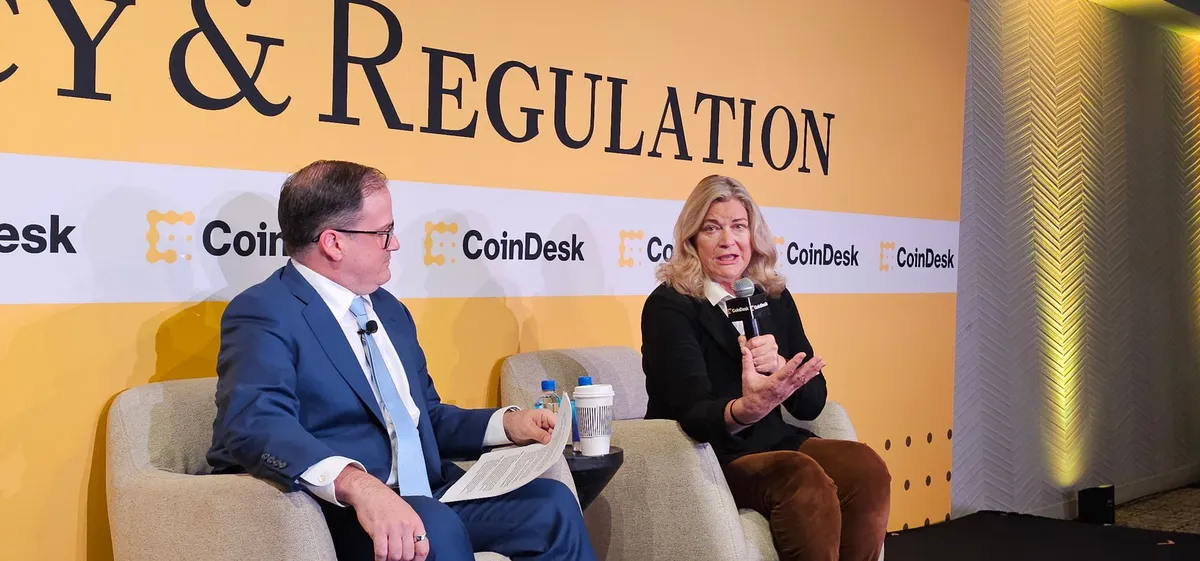
Lummis blames Democrats for failed crypto Clarity Act vote
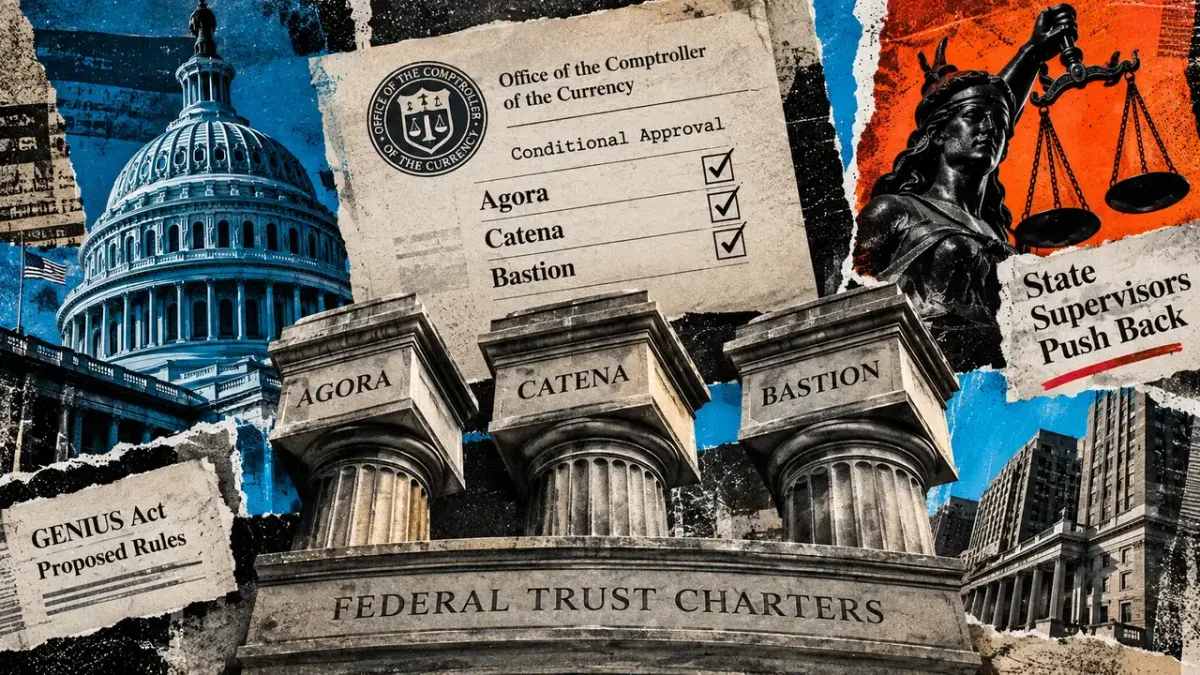
Federal approval won’t guarantee success for Agora, Catena, and Bastion
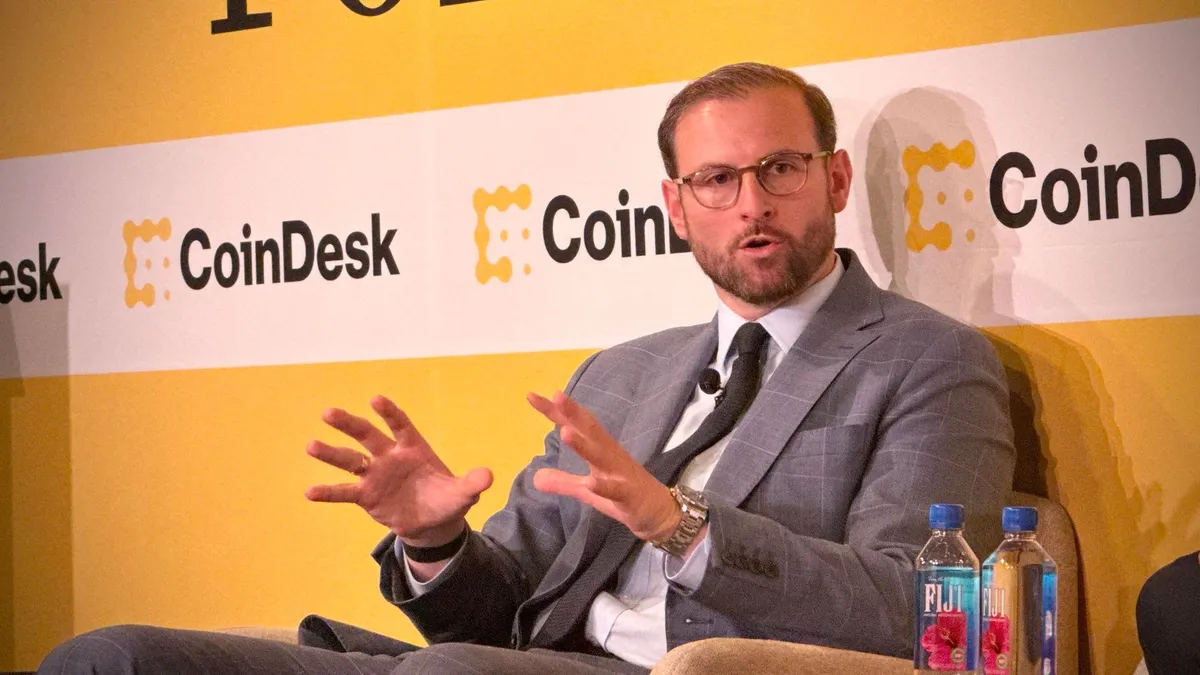
Regulatory clarity on crypto relies on officials, not Congress, says White House
PQLN enhances Bitcoin's quantum safety but raises privacy concerns for Lightning