Senators Eye Draft Deal on Stablecoin Yield Amid Banking Lobby Pushback
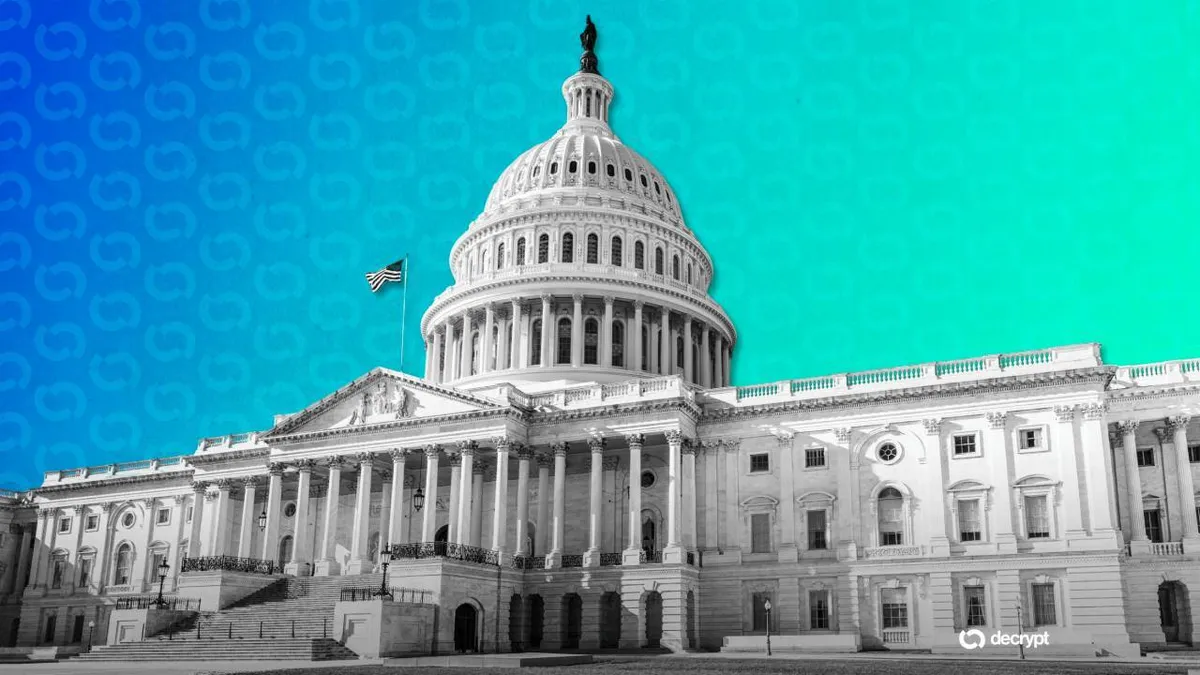
In recent discussions surrounding stablecoin regulations, U.S. senators are reportedly working on a draft deal that would address how stablecoin issuers can generate yields. This move comes amid significant pushback from traditional banking institutions, which express concerns over competition from the burgeoning crypto sector. Despite the divide, data from the White House suggests that a ban on yields for stablecoins may not significantly impact lending, raising questions about the motivations behind the banking lobby's resistance.
The backdrop to this legislative effort is a rapidly evolving financial landscape where stablecoins have gained prominence as a bridge between traditional finance and the digital asset world. Stablecoins are designed to maintain a stable value, often pegged to fiat currencies, and have attracted a growing user base due to their utility in facilitating transactions and providing liquidity. However, the potential yields offered by these digital assets have sparked controversy, especially among traditional banks that view them as a threat to their lending capabilities. The contrast between the innovation of crypto firms and the regulatory framework of traditional banks is at the heart of this ongoing debate.
The implications of this draft deal are significant for the market. If the senators can find common ground on how stablecoin yields should be managed, it could pave the way for clearer regulations that foster innovation while addressing the concerns of traditional financial institutions. Conversely, if the banking lobby's pushback leads to stringent restrictions, it could stifle the growth of stablecoins and limit their appeal to investors and users alike. The outcome of this legislative effort will be critical in shaping the future of stablecoins and their role in the broader financial ecosystem.
Industry reactions to the draft deal have been mixed. Some experts advocate for a balanced approach that allows stablecoin issuers to offer competitive yields while ensuring consumer protections are in place. Others warn that regulatory overreach could diminish the advantages that stablecoins offer, particularly in terms of accessibility and efficiency. This discourse reflects a broader concern within the crypto community regarding the potential for regulations to hinder innovation in a rapidly evolving space.
As discussions advance, we anticipate that the senators will continue to engage with various stakeholders, including banks and crypto firms, to refine the proposed regulations. The next steps will likely involve public hearings and further consultations to ensure that all voices are heard. The outcome will not only impact the future of stablecoins but could also serve as a precedent for how the government approaches the regulation of digital assets going forward. The intersection of traditional finance and crypto remains a focal point of scrutiny, and how this situation unfolds will undoubtedly be watched closely by market participants and regulators alike.

CoinMagnetic Team
Crypto investors since 2017. We trade with our own money and test every exchange ourselves.
Updated: April 2026
From our insights:
Related news

Arch Lending eyes tokenized stocks as next collateral market
Bitcoin rallies alongside record Nasdaq as oil prices decline on Iran prospects

European central banks push to expand stablecoin yield ban to crypto lending and staking

CME introduces Bitcoin Cash and Uniswap futures amid growing demand for crypto derivatives

Solstice CEO predicts less volatile future for crypto cycles amid liquidity growth