Saipan woman gets 71 months in prison for bitcoin fraud targeting senior victims

A woman from Saipan has been sentenced to 71 months in prison for her involvement in a bitcoin fraud scheme that specifically targeted senior citizens. According to the Department of Justice (DOJ), the perpetrator built trust with her victims by presenting herself as a financial advisor, leading them to believe that they were making legitimate investments in bitcoin. Instead, she misappropriated their funds for personal gain, resulting in substantial financial losses for her elderly targets. This case highlights the growing concern over fraudulent schemes in the cryptocurrency space, particularly those aimed at vulnerable populations.
The rise of cryptocurrency has opened doors to innovative financial opportunities, but it has also created an environment ripe for exploitation. The case against the Saipan woman reflects a broader trend of scams that have proliferated with the increase in digital currency adoption. Many seniors, who may not be as familiar with cryptocurrencies, are particularly susceptible to such schemes. The DOJ's decision to pursue this case underscores the need for heightened vigilance and regulatory oversight as the crypto market continues to evolve.
This sentencing carries significant implications for the cryptocurrency market and its participants. It serves as a warning to would-be fraudsters that law enforcement agencies are actively cracking down on fraudulent activities within the sector. Additionally, it raises awareness among investors, particularly seniors, about the risks associated with cryptocurrency investments and the necessity of conducting thorough due diligence before engaging with financial advisors or investment opportunities.
Industry experts have expressed concern over the increasing sophistication of scams in the crypto space. Many believe that as the market matures, so too will the tactics employed by fraudsters, making it vital for investors to remain informed. Some commentators emphasize the importance of regulatory frameworks that can provide better protection for consumers, especially those who may not fully understand the complexities of cryptocurrency investing.
Looking ahead, the implications of this case may prompt further discussions about the necessity for stricter regulations in the cryptocurrency industry. As the market continues to grow, it will be essential for both regulators and industry players to collaborate on protecting vulnerable populations from fraudulent schemes. Ultimately, ensuring a safer investment landscape may help foster greater public trust and participation in the cryptocurrency market.

CoinMagnetic Team
Crypto investors since 2017. We trade with our own money and test every exchange ourselves.
Updated: April 2026
From our insights:
Related news

SoFi begins stablecoin settlement on Mastercard network for program expected to exceed $25 billion in annualized volume

A $3.2 million 'bitcoin butterfly' option trade bets on $95,000 by the end of October
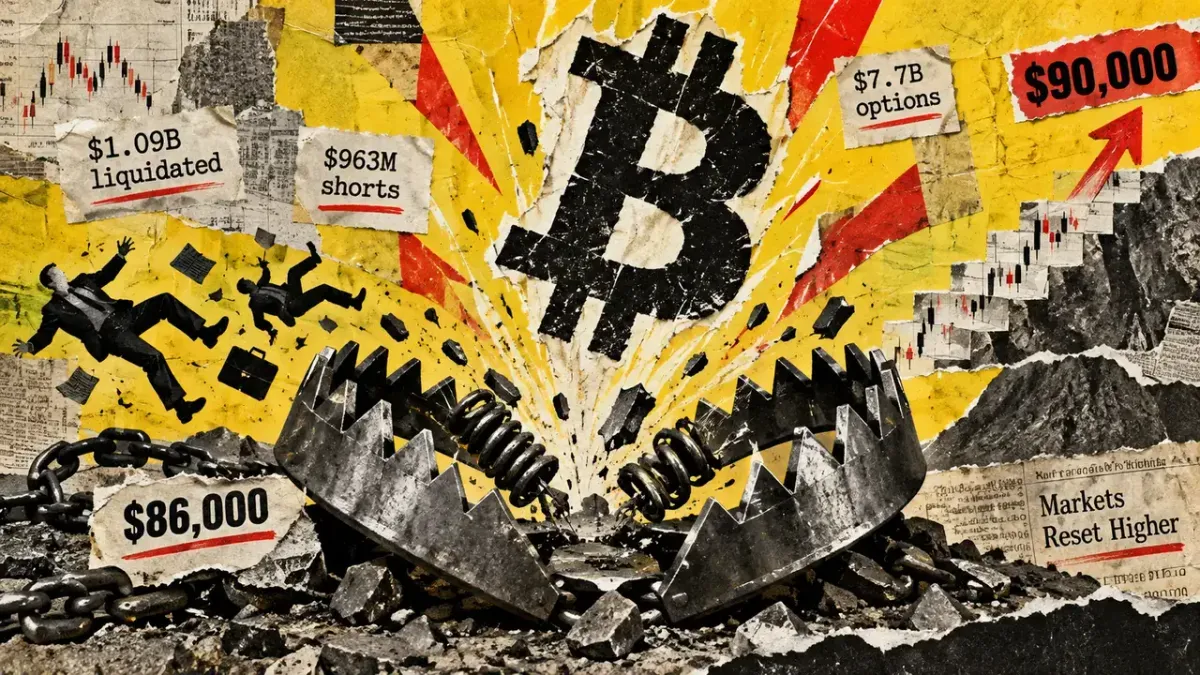
Bitcoin surges past $86,000 as $1 billion in shorts are liquidated, eyes on $90,000
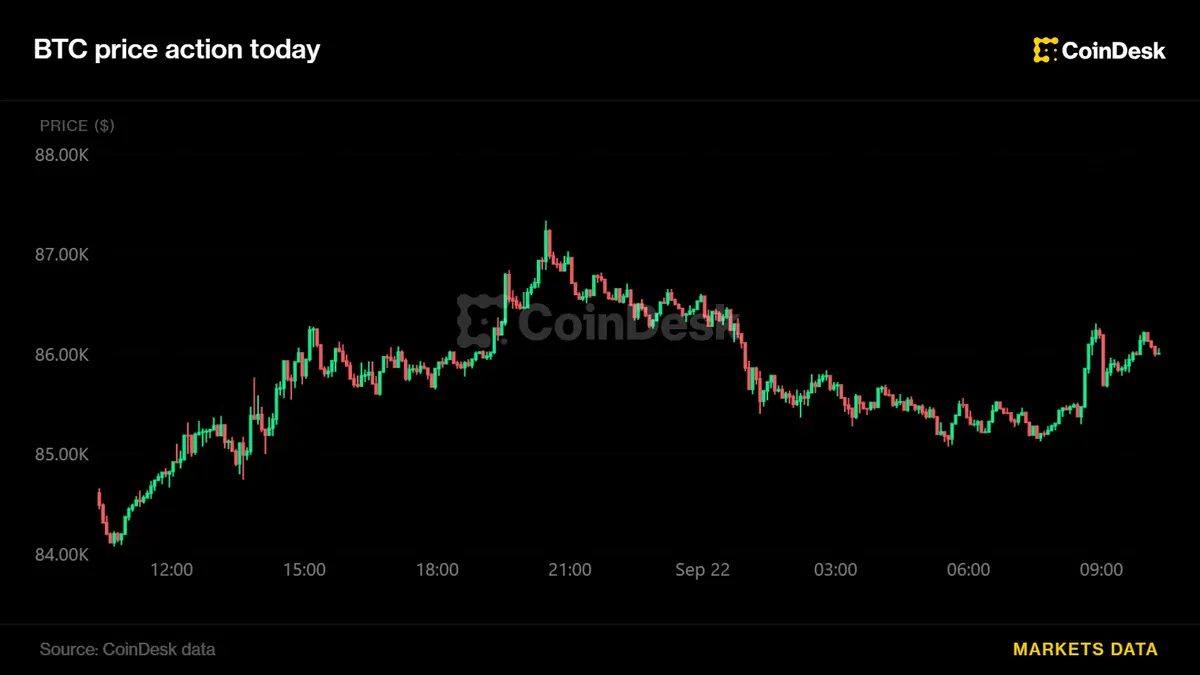
Bitcoin bounces back to $86,000 as oil prices decline and stocks rise

Prediction markets projected to reach $10 trillion by 2035, surpassing sports