Riot extends $200 million Coinbase credit facility, and bitcoin weakness could mean more sales
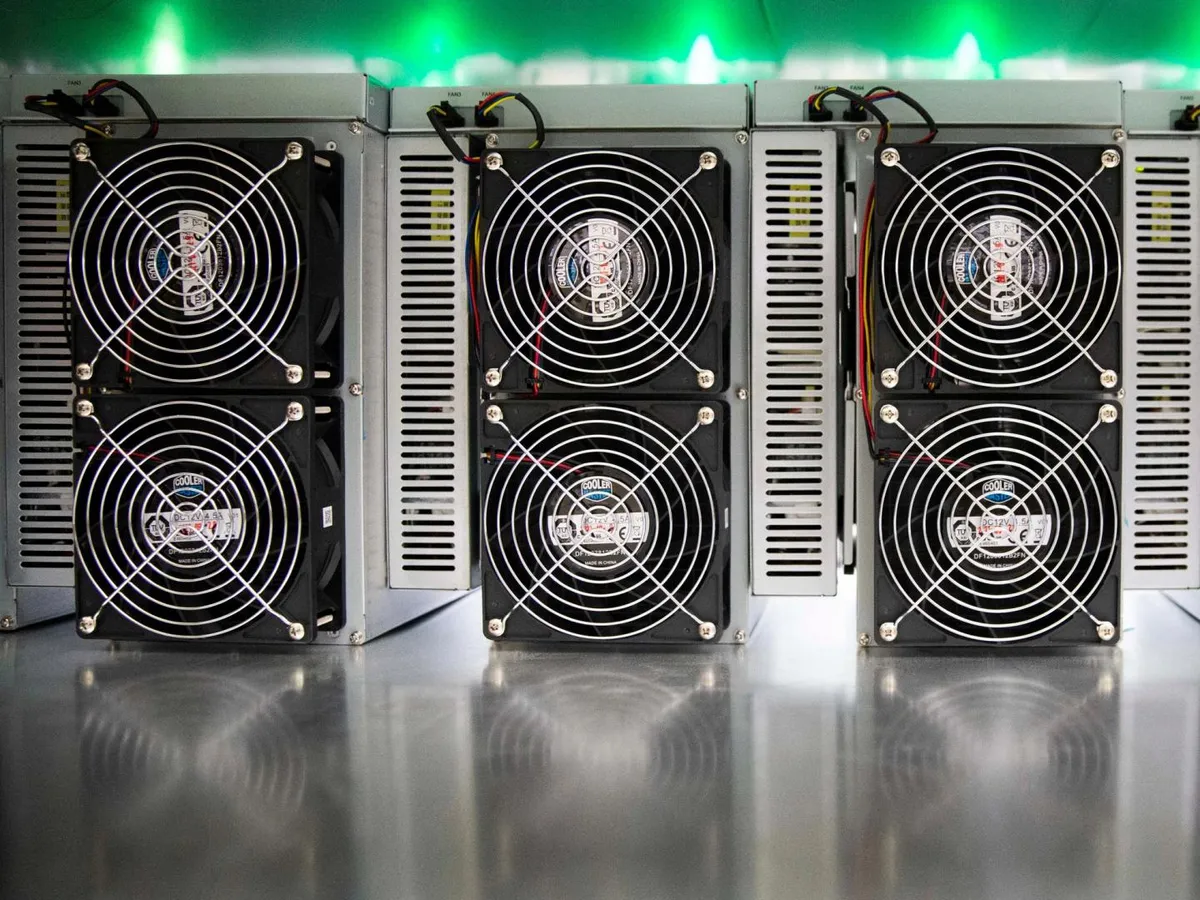
Riot Blockchain has made headlines by extending its credit facility with Coinbase, securing a substantial $200 million to bolster its liquidity in these uncertain market conditions. This extension not only locks in fixed borrowing costs but also provides Riot with an extended maturity period, allowing the company to have a more stable financial footing as it navigates the complexities of the cryptocurrency space. However, the decision comes at a time when Bitcoin prices are experiencing weakness, which could potentially lead to increased sales of their Bitcoin treasury to meet loan-to-value triggers.
To understand the significance of this development, it's essential to consider the backdrop against which Riot operates. The cryptocurrency market has been subject to considerable volatility, with Bitcoin prices fluctuating significantly over recent months. Miners like Riot rely heavily on the value of Bitcoin, as their operational costs and revenue generation are closely tied to the cryptocurrency's market performance. The company's treasury had previously been a significant asset, but with Bitcoin's recent downturn, the pressure to maintain liquidity and manage debts has intensified.
The implications of this credit facility extension for the market are noteworthy. By locking in fixed borrowing costs, Riot aims to mitigate some financial risks associated with fluctuating interest rates and Bitcoin prices. However, the shrinking BTC treasury raises concerns among investors and analysts. If Bitcoin prices were to decline further, Riot could face challenges meeting its loan-to-value ratios, potentially prompting more aggressive sales of its Bitcoin holdings, which could, in turn, exert additional downward pressure on the cryptocurrency's market price.
Industry reactions to this news have been mixed. Some experts view the extension as a prudent move that reflects Riot's strategic foresight in managing its financial obligations. Others, however, express concerns over the sustainability of this approach in a bearish market. The potential for forced sales of Bitcoin to meet loan requirements is seen as a risk, which could compound the existing volatility within the market. The situation underscores the delicate balance miners must maintain between operational costs, Bitcoin valuations, and debt obligations.
Looking ahead, it remains to be seen how Riot will navigate these challenges. The market's reaction to Bitcoin's price movements and Riot's treasury management will be critical in determining the company's next steps. As the situation evolves, miners and investors alike will be closely monitoring the interplay between credit facilities, Bitcoin valuations, and market sentiment to gauge the broader implications for the cryptocurrency ecosystem.

CoinMagnetic Team
Crypto investors since 2017. We trade with our own money and test every exchange ourselves.
Updated: April 2026
From our insights:
Related news
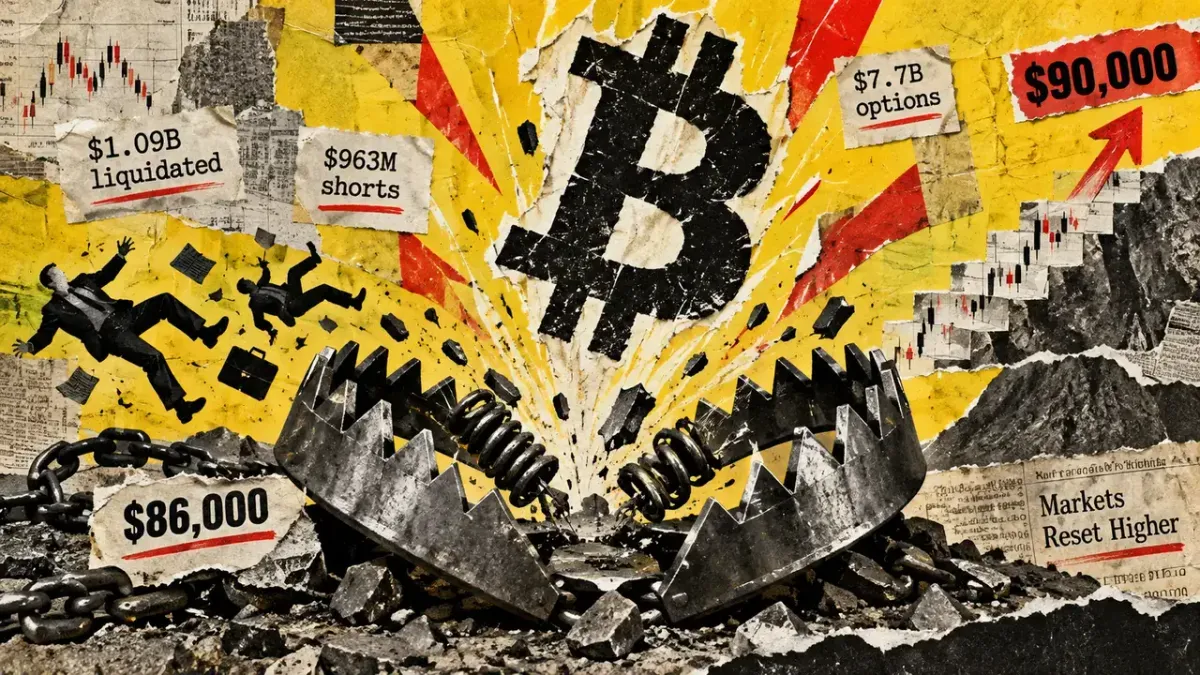
Bitcoin surges past $86,000 as $1 billion in shorts are liquidated, eyes on $90,000
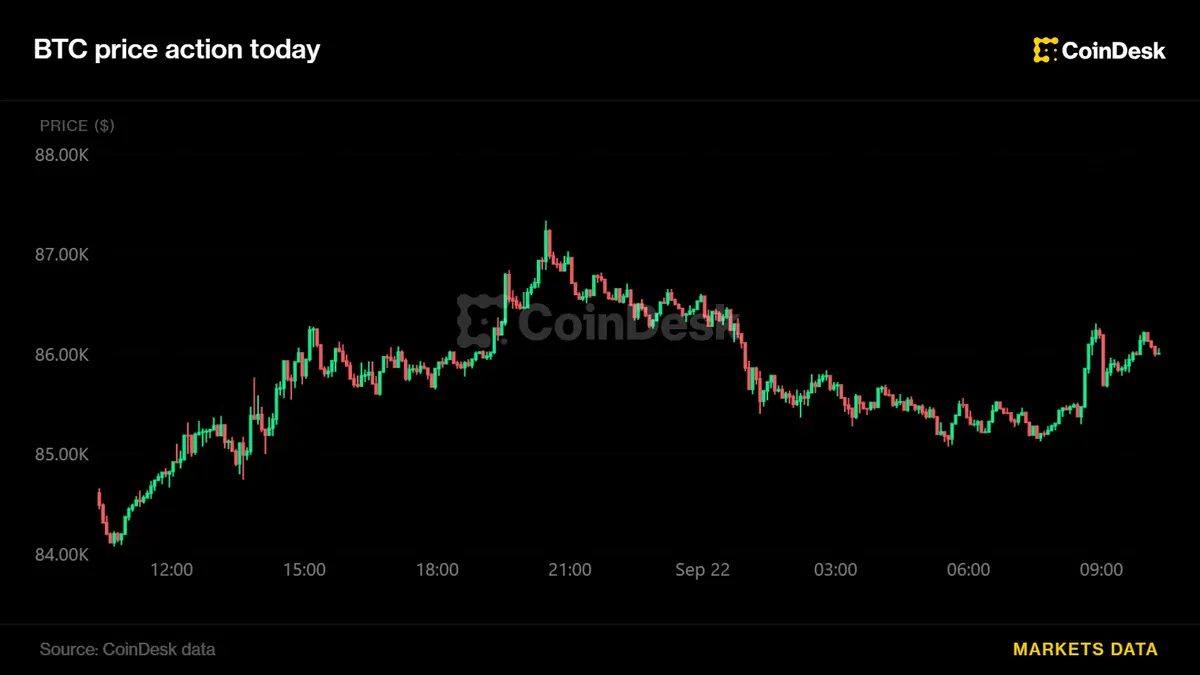
Bitcoin bounces back to $86,000 as oil prices decline and stocks rise

Prediction markets projected to reach $10 trillion by 2035, surpassing sports
Iran hints at reopening Strait of Hormuz, WTI oil drops to $89
New altseason signal emerges as Bitcoin market cap stays under 60%