Researchers Propose New Way to Manage Financial Risk When AI Agents Fumble Trades

In a significant development for the intersection of artificial intelligence and finance, researchers have proposed a new agentic settlement standard aimed at addressing the financial risks associated with AI-driven trading. This innovative approach would involve holding transaction fees in escrow and incorporating underwriters into the trading process, thereby providing an additional layer of security and accountability. As AI agents become increasingly prevalent in trading environments, the need for robust mechanisms to manage potential failures has become urgent, and this proposal seeks to fill that gap.
The rise of AI agents in financial markets has revolutionized trading strategies, enabling faster and more efficient transactions. However, this rapid adoption has also highlighted vulnerabilities–instances where AI agents may misinterpret market signals or execute trades that result in significant losses. The proposed agentic settlement standard aims to mitigate these risks by ensuring that fees are held securely until the trade is verified and deemed successful. Additionally, the involvement of underwriters in the process would introduce a level of oversight and risk assessment that is currently lacking in many AI trading models.
This proposal matters profoundly for the market as it seeks to enhance the credibility of AI-driven trading systems. With increased scrutiny on the performance of AI agents, establishing a standardized approach to risk management can bolster investor confidence. By providing assurances that funds are protected and that there is accountability in the trading process, this initiative could pave the way for broader adoption of AI technologies in finance. Ultimately, a more secure trading environment could lead to increased market stability, allowing for more innovative applications of AI in the future.
Industry reaction to the proposed settlement standard has been mixed. Some experts applaud the initiative as a much-needed evolution in the regulatory framework surrounding AI in finance. They argue that such measures could prevent catastrophic failures and enhance the overall integrity of AI trading systems. However, others express concerns about the feasibility of implementing this standard across various platforms and the potential for increased operational costs associated with holding fees in escrow. The dialogue surrounding these proposals emphasizes the need for collaboration between technologists, regulators, and financial institutions to find a workable solution.
Looking ahead, the next steps will likely involve further research and discussions among stakeholders in the financial and tech sectors. As this proposal gains traction, we can expect to see pilot programs or collaborations aimed at testing the feasibility of the agentic settlement standard in real-world trading scenarios. The evolution of this concept could significantly shape the future of AI in finance, creating a more secure and transparent trading landscape while addressing the inherent risks of automated trading systems.

CoinMagnetic Team
Crypto investors since 2017. We trade with our own money and test every exchange ourselves.
Updated: April 2026
From our insights:
Related news

Bitcoin surges past $86,000 as $1 billion in shorts are liquidated, eyes on $90,000
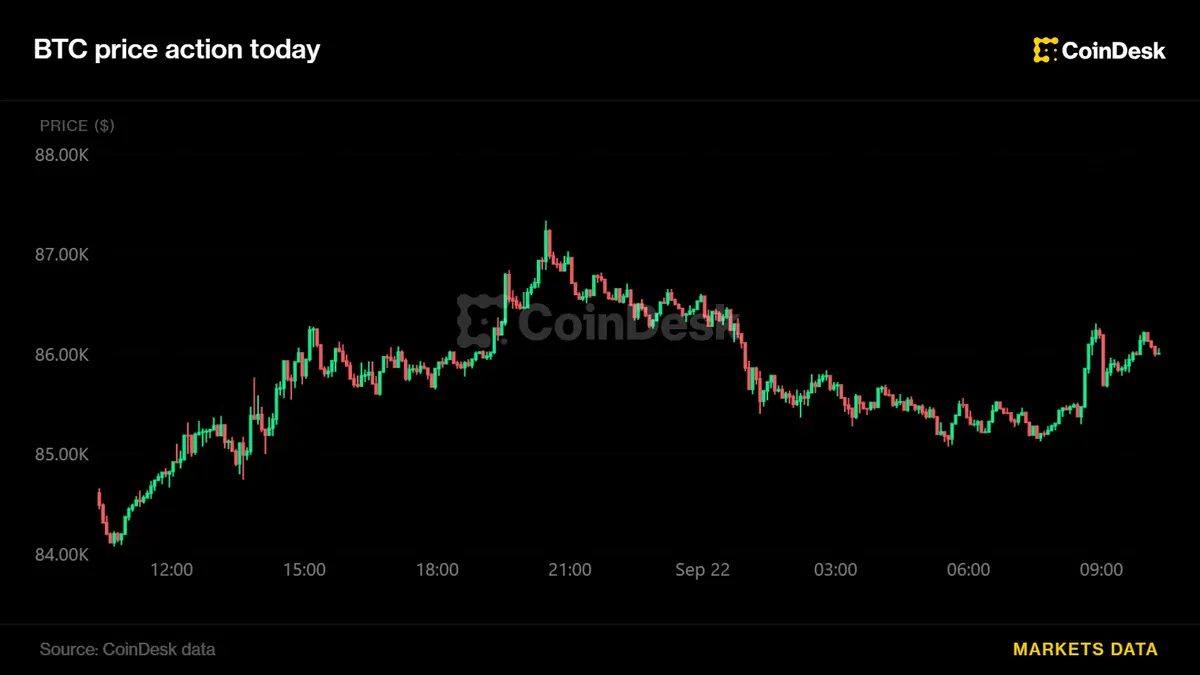
Bitcoin bounces back to $86,000 as oil prices decline and stocks rise

Prediction markets projected to reach $10 trillion by 2035, surpassing sports
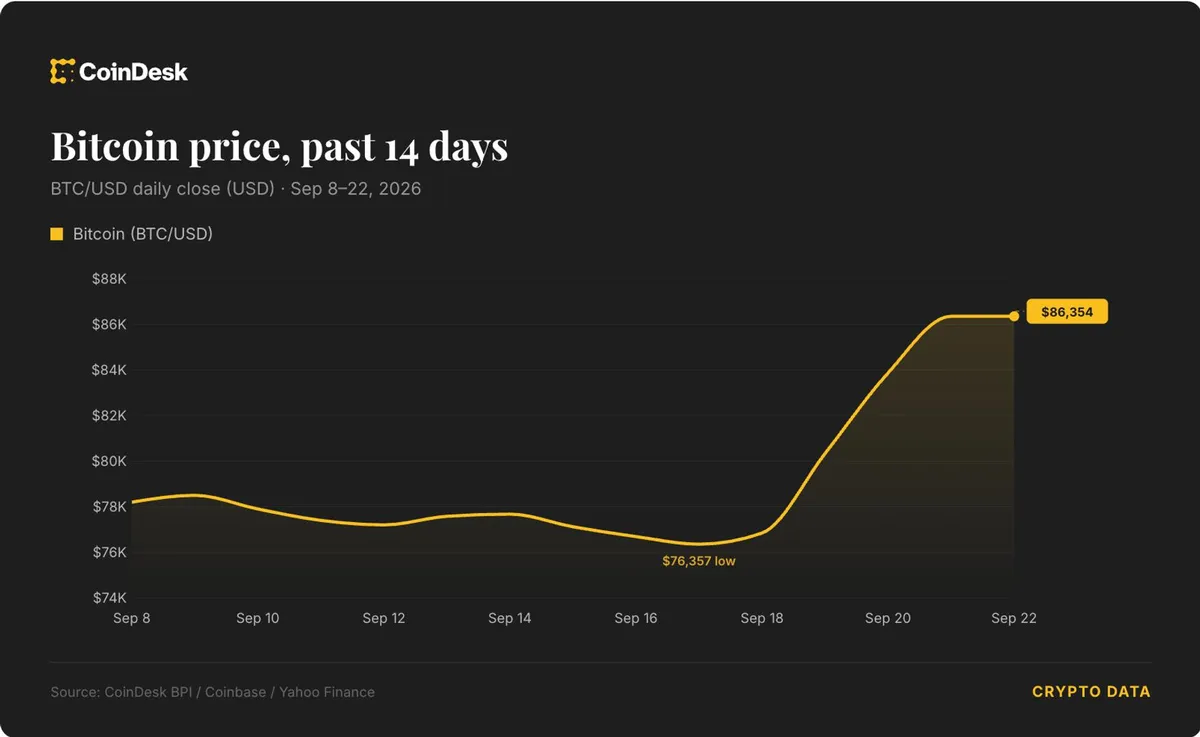
Iran hints at reopening Strait of Hormuz, WTI oil drops to $89

New altseason signal emerges as Bitcoin market cap stays under 60%