Bitcoin Miner Cango Sells $143 Million in BTC, Slashes Production Costs

Cango, a publicly traded Bitcoin mining company, has made headlines recently by selling approximately $143 million worth of Bitcoin to help alleviate its financial burdens. This strategic move comes as part of a broader initiative to slash production costs, which the company successfully reduced by 19% through the shutdown of inefficient mining equipment. The decision to liquidate such a significant portion of their Bitcoin holdings reflects both a response to current market pressures and a proactive approach to ensuring the company's sustainability in a volatile environment.
The backdrop of Cango's decision is rooted in the challenging landscape of the cryptocurrency mining sector, which has faced a myriad of obstacles including fluctuating Bitcoin prices, rising energy costs, and increased competition. Many miners have been forced to reevaluate their operational strategies to remain viable. Cango's choice to sell a large amount of its Bitcoin is emblematic of a trend among miners who are grappling with the need to balance debt management while maintaining operational efficiency. By shutting down less productive equipment, Cango aimed to streamline its operations and focus on more profitable mining practices.
This move holds significant implications for the broader cryptocurrency market. The sale of $143 million in Bitcoin could potentially exert downward pressure on prices, especially if similar large-scale sell-offs occur among other miners facing financial strain. Moreover, Cango's actions may signal to investors that even established players in the mining sector are not immune to the challenges posed by the current market conditions. As miners prioritize financial health, the overall dynamics of supply and demand in the Bitcoin market could shift, influencing price trends in the near term.
Industry reactions to Cango's announcement have been varied. Some experts view the company's decision as a pragmatic approach to navigate a turbulent market, highlighting the importance of operational efficiency and financial prudence. Others express concern about the potential impact of large sell-offs on Bitcoin's price stability, emphasizing the need for miners to find a balance between liquidity and holding assets. Overall, the mining community appears to be closely monitoring Cango's next steps as a potential indicator of broader trends within the industry.
Looking ahead, it will be crucial for Cango to demonstrate that its cost-cutting measures can lead to long-term profitability. The company’s ability to adapt to market fluctuations and optimize its operational strategies will likely influence its future performance. Additionally, as other miners observe Cango's approach, we may see an uptick in similar strategies across the industry, which could reshape the landscape of Bitcoin mining in the coming months. The ongoing evolution of mining practices will undoubtedly be a focal point for stakeholders as the market continues to adapt to the ever-changing cryptocurrency environment.

CoinMagnetic Team
Crypto investors since 2017. We trade with our own money and test every exchange ourselves.
Updated: April 2026
From our insights:
Related news

Bitcoin surges past $86,000 as $1 billion in shorts are liquidated, eyes on $90,000
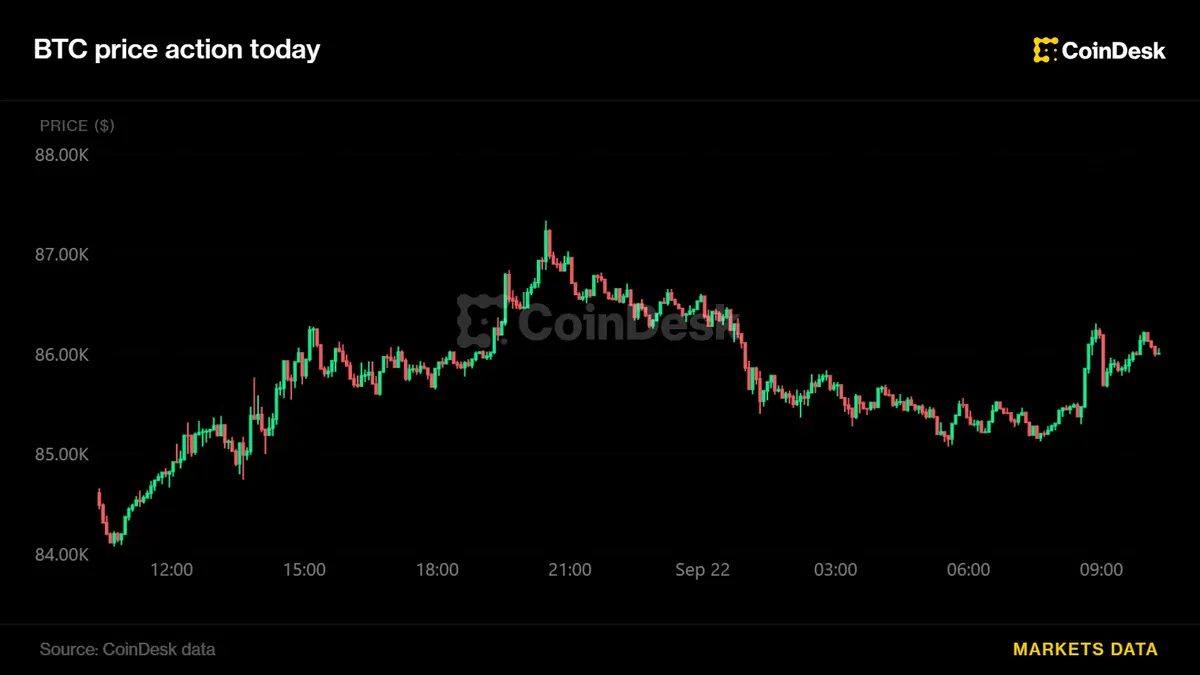
Bitcoin bounces back to $86,000 as oil prices decline and stocks rise

Prediction markets projected to reach $10 trillion by 2035, surpassing sports

Iran hints at reopening Strait of Hormuz, WTI oil drops to $89

New altseason signal emerges as Bitcoin market cap stays under 60%