One person holds the keys to $200 million of a project’s crypto. His co-founder says that has to end

In a significant development within the cryptocurrency sector, co-founders Da Hongfei and Erik Zhang of a prominent blockchain project are at odds over the governance and management of a substantial $200 million worth of crypto assets. The conflict centers around the control of these assets, with Da advocating for a restructuring that would implement independent governance and multi-signature protection to enhance security and decentralization. On the other hand, Zhang is pushing for accountability investigations and wishes to retain his position on the board, highlighting the ongoing tension between the two leaders and their differing visions for the project's future.
This dispute is set against the backdrop of growing scrutiny over the management of crypto assets and the importance of decentralized governance structures in the blockchain industry. As projects mature, the need for robust governance frameworks becomes increasingly apparent, especially when significant amounts of funds are involved. Da’s proposal for independent governance seeks to address these concerns by ensuring that no single individual has unilateral control over critical assets, a move that resonates with the broader trend toward decentralization in the crypto space. Meanwhile, Zhang's desire for accountability highlights the challenges projects face in maintaining operational integrity while navigating complex power dynamics.
The implications of this discord are far-reaching for the market, as it raises questions about the stability and governance practices of crypto projects. Investors and stakeholders are likely to be concerned about the concentration of power in the hands of a single individual, particularly in light of past incidents where poor governance has led to significant losses. If Da's proposal gains traction, it could set a precedent for how other projects handle governance and asset management, potentially fostering a more secure environment for investors and enhancing confidence in the crypto ecosystem as a whole.
Industry reactions to this situation have been mixed, with some experts applauding Da's push for decentralized governance as a necessary evolution in the crypto landscape. They argue that multi-signature arrangements can mitigate risks associated with centralized control and empower communities to take part in decision-making processes. Conversely, some analysts support Zhang's stance, emphasizing the need for accountability and oversight to ensure that projects remain transparent and trustworthy amid a rapidly changing market. This divergence of opinions underscores the complexities of governance in the blockchain space and the necessity for balancing power and accountability.
Looking ahead, the outcome of this conflict will be pivotal for the project's direction and could influence governance models across the broader crypto industry. If Da’s vision for independent governance is adopted, it may lead to the establishment of new standards for project management and investor protection. Alternatively, if Zhang's approach prevails, it could reinforce the traditional structures of accountability in crypto projects. As discussions continue, stakeholders will be closely monitoring developments to gauge their potential impact on both the project and the wider market.

CoinMagnetic Team
Crypto investors since 2017. We trade with our own money and test every exchange ourselves.
Updated: April 2026
From our insights:
Related news

Bitcoin surges past $86,000 as $1 billion in shorts are liquidated, eyes on $90,000
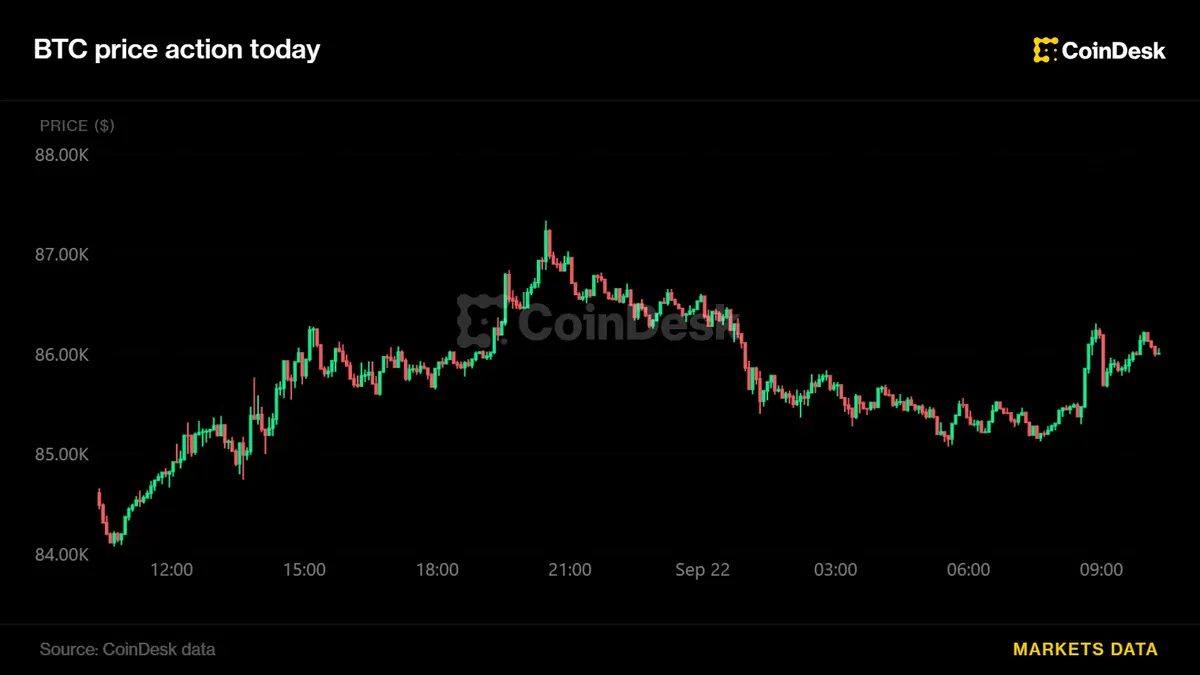
Bitcoin bounces back to $86,000 as oil prices decline and stocks rise

Prediction markets projected to reach $10 trillion by 2035, surpassing sports
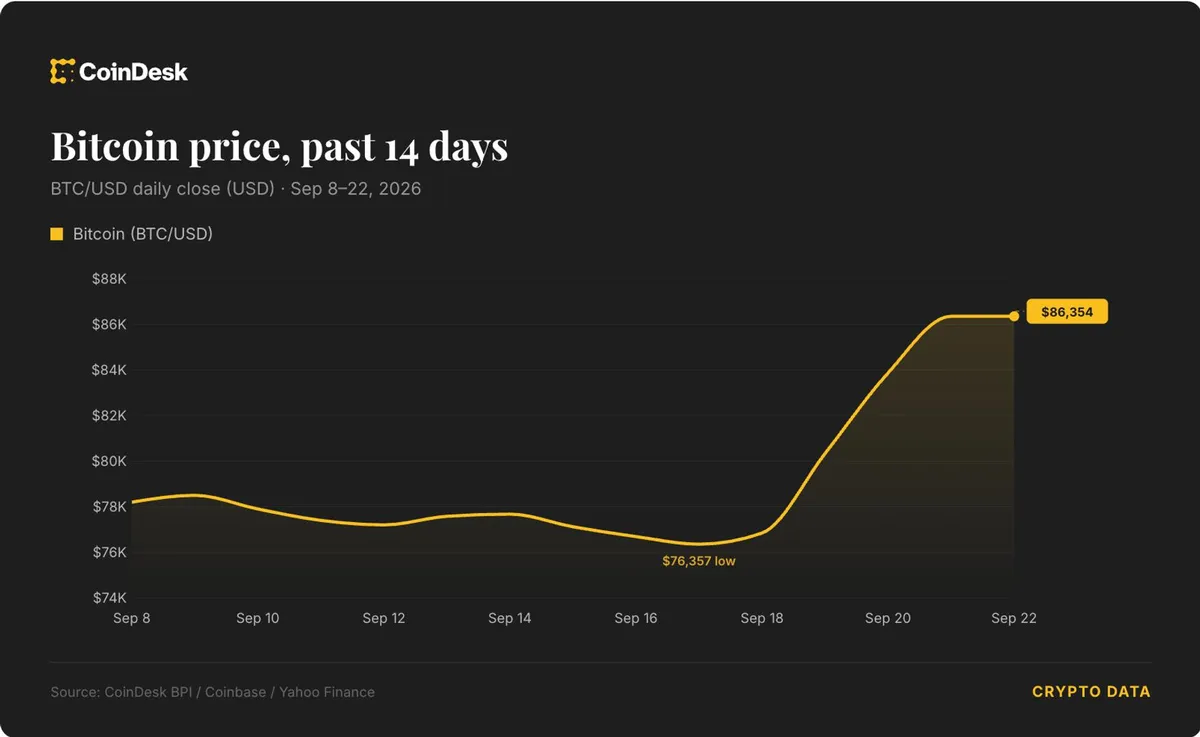
Iran hints at reopening Strait of Hormuz, WTI oil drops to $89

New altseason signal emerges as Bitcoin market cap stays under 60%