New York, Illinois Ban Government Employees From Insider Trading on Prediction Markets

In a significant move, both New York and Illinois have enacted bans preventing government employees from engaging in insider trading on prediction markets. This decision comes amidst the burgeoning popularity of prediction markets related to political outcomes, which have seen a surge in participation and interest. These markets allow individuals to place bets on the likelihood of specific events occurring, particularly in the realm of politics, which raises ethical and legal questions about the potential for misuse of confidential information. The new regulations aim to address these concerns by explicitly prohibiting government personnel from leveraging insider information to gain an unfair advantage on these platforms.
The rise of prediction markets can be traced back to the broader trend of utilizing market mechanisms to forecast events. These markets have gained traction in recent years, particularly with the increasing involvement of crypto and blockchain technologies that facilitate decentralized trading. As political landscapes shift and elections approach, many are turning to prediction markets as a tool for gauging public sentiment and potential outcomes. However, the intersection of politics and trading has led to heightened scrutiny from regulators, who are concerned about the implications of government employees participating in these markets and potentially influencing their outcomes based on privileged information.
This prohibition is significant for the market as it reinforces the importance of ethical standards in the realm of trading, particularly in environments that are already fraught with volatility and speculation. By limiting the ability of government employees to engage in these activities, regulators aim to maintain the integrity of prediction markets. This move could also serve to bolster public trust in these systems, as it underscores a commitment to transparency and fairness. In an era where information asymmetry can dictate market outcomes, ensuring that all participants operate on a level playing field is crucial for the long-term viability of prediction markets.
Industry reactions to the bans have been mixed. Some experts applaud the decision, highlighting the necessity of establishing clear boundaries to protect the integrity of democratic processes and market operations. Others, however, argue that such regulations could stifle innovation and limit participation in prediction markets. They contend that while ethical considerations are paramount, overly stringent regulations may push government employees to seek alternative, less regulated venues for trading, ultimately undermining the intended effects of the bans. The debate continues as stakeholders assess the long-term impact of these decisions.
Looking ahead, it will be essential to monitor how these bans influence the evolution of prediction markets and the behavior of participants. As the landscape of political betting continues to change, further regulatory measures may emerge in other states or at the federal level. The conversation around the ethical implications of prediction markets is likely to intensify, prompting discussions about the balance between innovation and regulation. As more individuals and institutions engage with these platforms, the implications of such policies will be closely watched, shaping the future of prediction markets and their role in the broader trading ecosystem.

CoinMagnetic Team
Crypto investors since 2017. We trade with our own money and test every exchange ourselves.
Updated: April 2026
From our insights:
Related news

Reap aims to enhance cross-border FX with non-USD stablecoins including peso

ECB and EU central banks propose liquidity thresholds for stablecoins
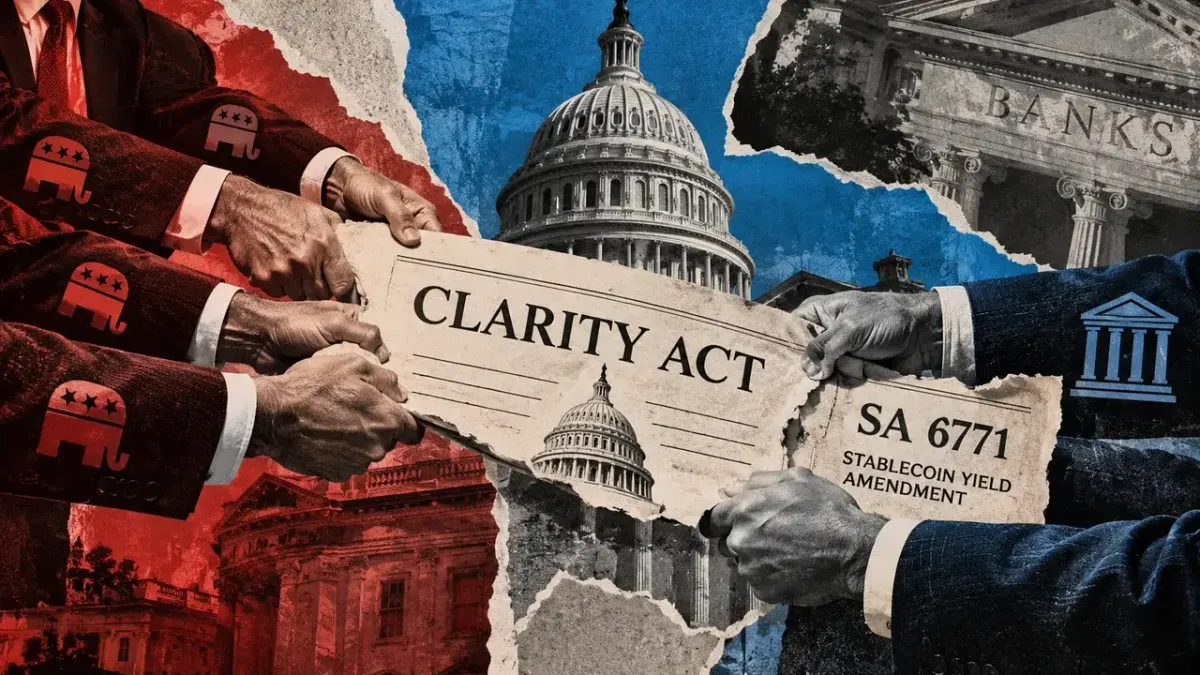
Four GOP senators backing CLARITY Act seek changes to stablecoin provisions
US investigates Binance for potential Iran-linked trading violations
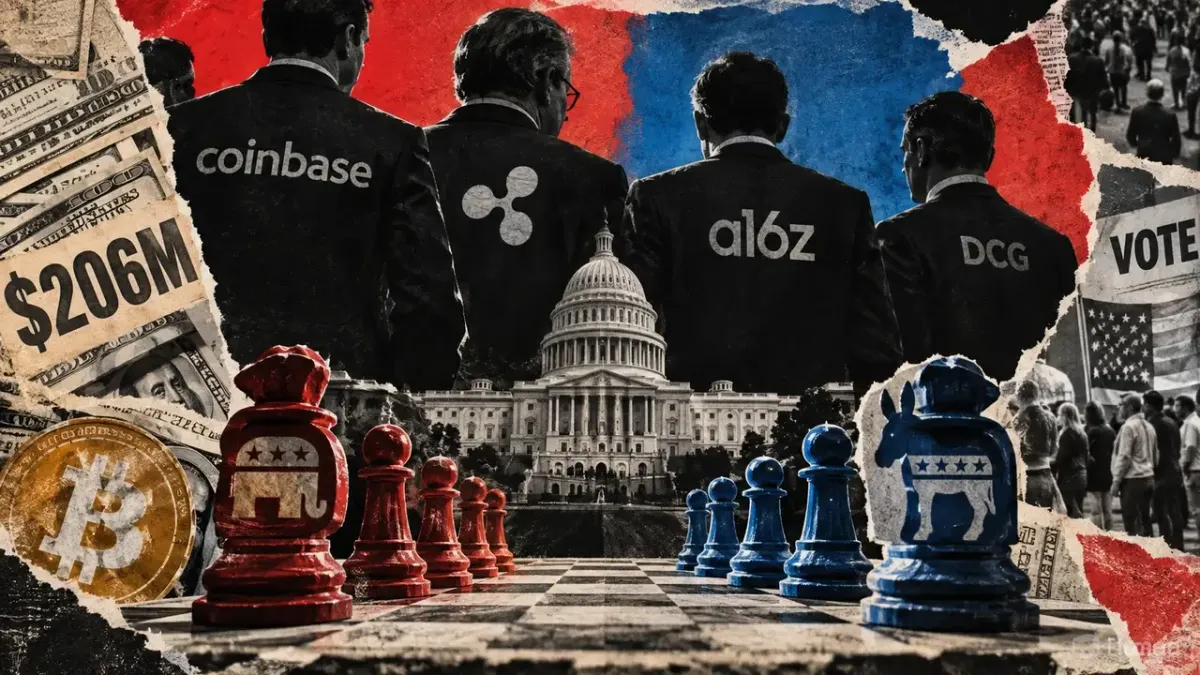
Crypto sector emerges as top donor with $206 million in midterms backing