MarketNeutral
New research shows Bitcoin must retake $80k or risk BTC miner shut down in competition with $4B in AI revenue
Source: CryptoSlate
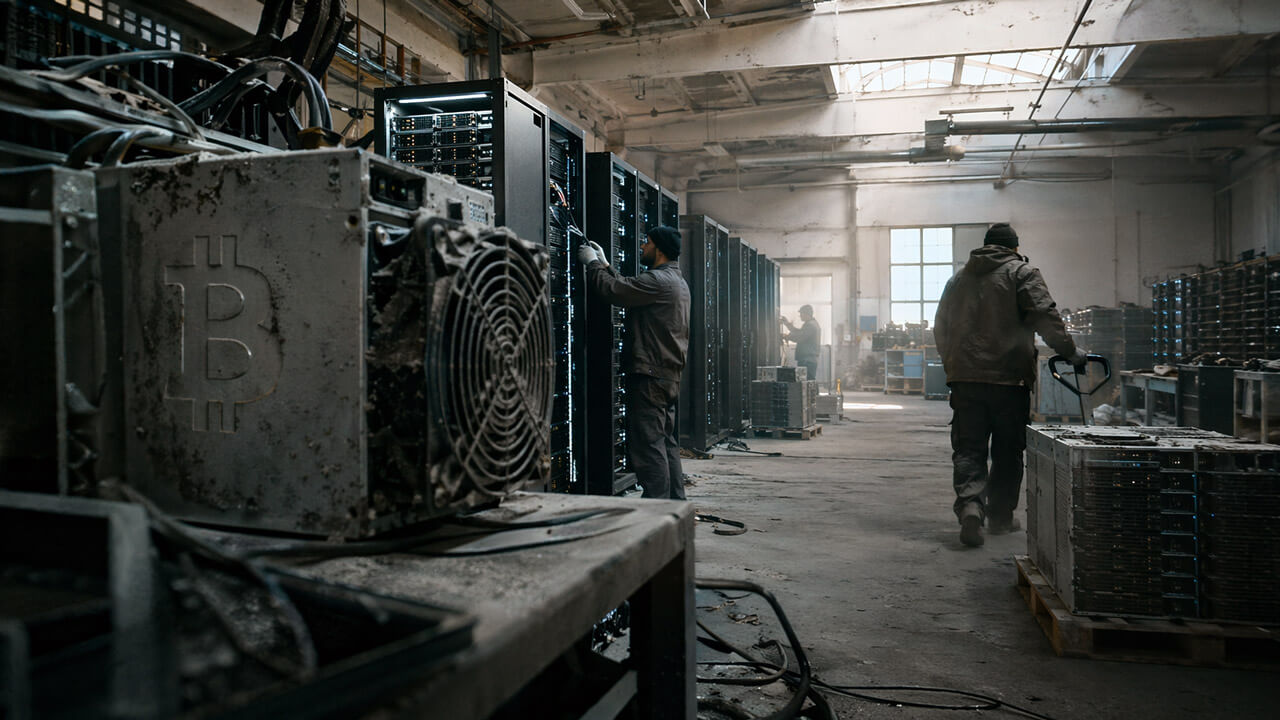
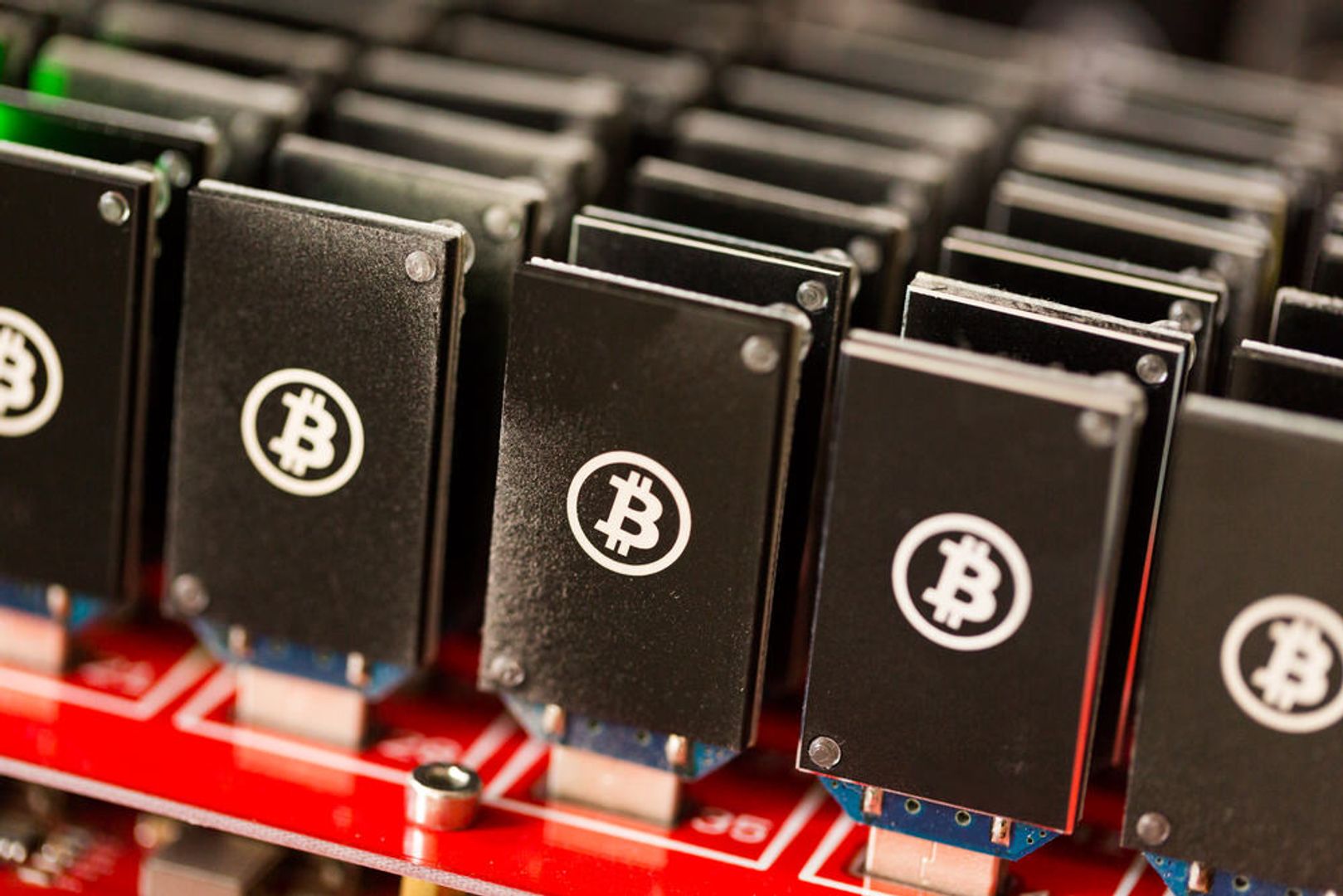
Recent research highlights a pivotal threshold for Bitcoin, indicating that the cryptocurrency must reclaim the $80,000 mark to avoid a potential crisis among BTC miners. This alarming forecast comes in light of the growing competition from the artificial intelligence (AI) sector, which is projected to generate around $4 billion in revenue. As AI technologies become increasingly mainstream, the resources and energy that Bitcoin miners rely on could be diverted towards more lucrative ventures, jeopardizing their operations and, ultimately, the network’s security.
To understand this development, one must consider the broader landscape of the cryptocurrency market and its evolving dynamics. Historically, Bitcoin mining has been a significant source of revenue for miners, especially during bullish market phases. However, as the AI sector continues to expand rapidly, attracting investments and talent, Bitcoin miners face a stark reality: the competition for resources is intensifying. The rise of AI not only presents an economic challenge but also reflects a shifting focus in the tech industry toward solutions that promise immediate returns, drawing attention away from traditional cryptocurrencies.
This situation is critical for the overall market as it underscores the interconnectedness of various technological sectors. If Bitcoin fails to stabilize and regain its footing above the $80,000 threshold, we could witness a considerable decline in mining activities. This decline could lead to heightened volatility in Bitcoin prices, diminishing investor confidence, and potentially triggering a broader market downturn. The implications extend beyond Bitcoin itself, potentially affecting altcoins and the entire cryptocurrency ecosystem that depends on Bitcoin's foundational role.
Industry experts have begun weighing in on this matter, with many expressing concern over the sustainability of Bitcoin mining in the face of burgeoning AI revenues. Some analysts argue that unless Bitcoin can innovate or adapt to the changing landscape, it risks losing its appeal to miners who may prefer to invest their resources in AI-driven projects. Others caution that Bitcoin remains a robust asset, citing its historical resilience and the possibility of technological advancements that could enhance mining efficiency and profitability.
Looking ahead, the cryptocurrency community is left pondering what steps can be taken to avert such a scenario. This includes exploring potential collaborations between the Bitcoin network and AI technologies, fostering innovations that could enhance mining operations, or even lobbying for regulatory frameworks that support cryptocurrency mining. As the market evolves, maintaining Bitcoin's competitive edge will be essential not only for its miners but for the integrity of the entire cryptocurrency landscape.
CM
CoinMagnetic Team
Crypto investors since 2017. We trade with our own money and test every exchange ourselves.
Updated: April 2026
From our insights: