Morning Minute: Bitcoin Falls After Powell's Likely Final FOMC

In recent developments, Bitcoin has experienced a notable decline following Federal Reserve Chair Jerome Powell’s comments during what many believe will be his final Federal Open Market Committee (FOMC) meeting. Powell indicated that the Fed remains committed to its current monetary policy stance, signaling that no rate cuts are on the horizon. This announcement has reverberated through financial markets, leading to a sell-off in cryptocurrencies, with Bitcoin dropping significantly in value as traders digest the implications of prolonged interest rates.
To provide some context, the FOMC meetings are closely watched events in the financial world, as they can significantly influence market sentiment. Powell's remarks come amid ongoing inflation concerns and a cautious economic outlook. The Fed's decision to maintain interest rates, rather than cut them, reflects a commitment to combating inflation, which has been a persistent issue. Historically, lower interest rates have been seen as favorable for risk assets, including cryptocurrencies, as they typically drive investors towards higher-yielding investments. Consequently, Powell's update has left many in the crypto community feeling apprehensive about the near-term outlook.
This situation is particularly significant for the cryptocurrency market, which has often reacted sharply to changes in interest rate policies. With Bitcoin’s recent price drop, market participants are assessing the potential for further declines or a possible consolidation phase. The absence of anticipated rate cuts could dampen investor enthusiasm for riskier assets, leading to increased volatility in the crypto space. Furthermore, this environment may push some investors to reassess their portfolios, weighing the potential risks associated with holding cryptocurrencies amid uncertain economic conditions.
Industry experts have had varied reactions to Powell's statements. Some see this as a necessary move to stabilize the economy, while others worry about the implications for growth in both traditional and digital asset markets. Analysts from various financial institutions have stated that the Fed's stance may create a challenging environment for Bitcoin and other cryptocurrencies, as higher borrowing costs could lead to reduced liquidity. Meanwhile, some industry advocates remain optimistic, arguing that the long-term adoption of crypto technologies will eventually prevail despite short-term fluctuations.
Looking ahead, the crypto market will likely remain on high alert as investors await further signals from the Federal Reserve. Observers will be closely monitoring upcoming economic indicators and any potential shifts in monetary policy that could influence market dynamics. Additionally, developments within the crypto ecosystem, such as Meta's renewed involvement in crypto payments through USDC creator payouts, may provide some counterbalancing optimism. As the situation unfolds, the interplay between macroeconomic factors and industry innovations will be crucial in shaping the future trajectory of Bitcoin and the broader cryptocurrency market.

CoinMagnetic Team
Crypto investors since 2017. We trade with our own money and test every exchange ourselves.
Updated: April 2026
From our insights:
Related news

Bitcoin surges past $86,000 as $1 billion in shorts are liquidated, eyes on $90,000
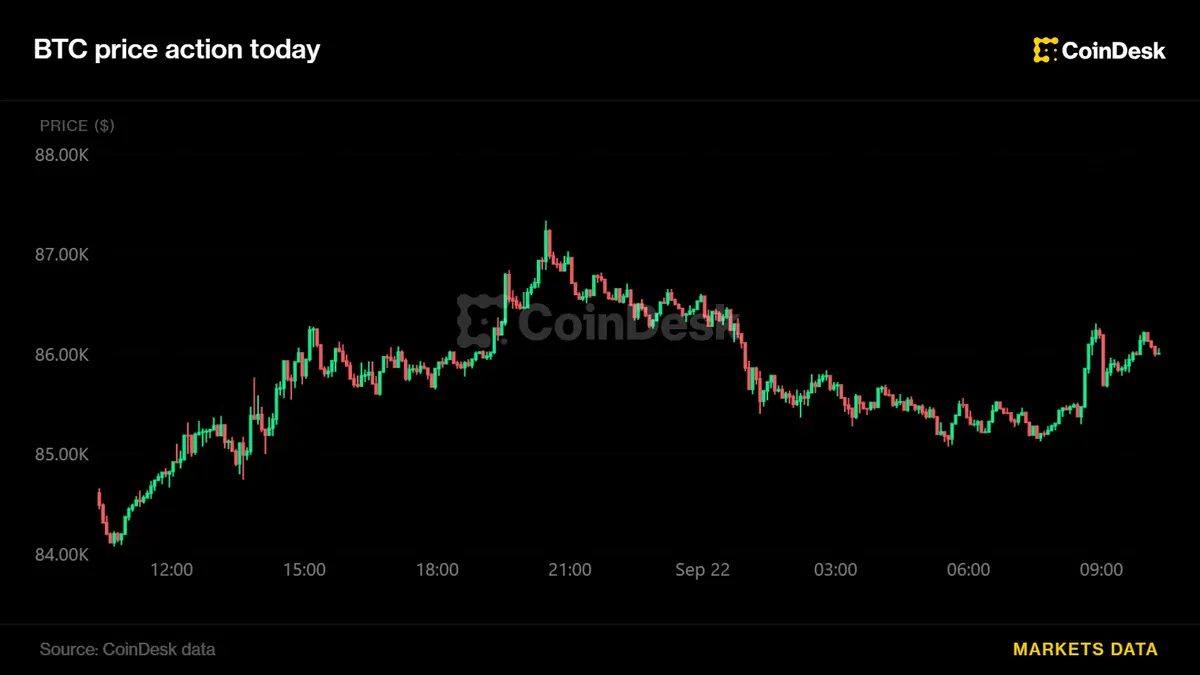
Bitcoin bounces back to $86,000 as oil prices decline and stocks rise

Prediction markets projected to reach $10 trillion by 2035, surpassing sports
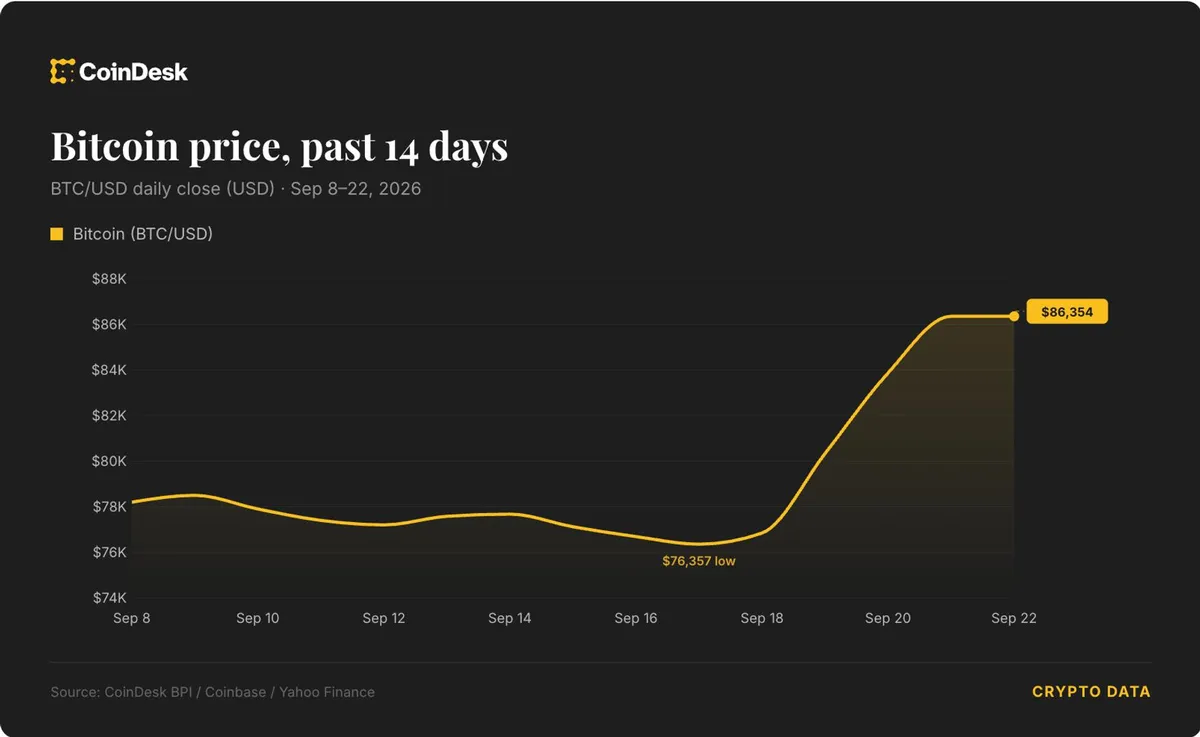
Iran hints at reopening Strait of Hormuz, WTI oil drops to $89

New altseason signal emerges as Bitcoin market cap stays under 60%