Morning Minute: Bitcoin Clears $79,000, Then Reverses

Bitcoin recently experienced a significant surge, breaking the $79,000 mark before reversing course. This rapid movement in price highlights the volatility that has become characteristic of the cryptocurrency market. The rise was bolstered by various factors, including market speculation and positive sentiment surrounding institutional investments. However, the subsequent reversal raises questions about the sustainability of such price spikes and the underlying market dynamics.
To provide some context, Bitcoin's price fluctuations have been influenced by a multitude of external factors, including regulatory developments, macroeconomic trends, and technological advancements. The recent news of the U.S. government running a Bitcoin node adds a new layer of complexity to this landscape. It signifies a growing acceptance of cryptocurrencies in mainstream financial systems and could potentially influence future regulatory frameworks. Additionally, Justin Sun's lawsuit against Trump's World Liberty Financial brings forth tensions between the crypto community and established financial entities.
This price movement is significant for the market as it underscores the ongoing volatility that traders and investors must navigate. The brief ascent past $79,000 may have attracted new participants, eager to capitalize on Bitcoin's momentum. However, the subsequent reversal serves as a reminder of the inherent risks involved in cryptocurrency investments. Market sentiment can shift rapidly, and the ability to maintain a stable price amidst speculations and external pressures remains a challenge for Bitcoin.
Industry experts have weighed in on these developments, with many expressing cautious optimism about Bitcoin's long-term trajectory. The establishment of a U.S. government Bitcoin node is seen as a validation of the technology and could pave the way for broader acceptance and usage. However, concerns linger regarding regulatory implications and the potential for increased scrutiny. Meanwhile, the lawsuit filed by Justin Sun may further complicate relationships between crypto innovators and traditional financial institutions, prompting discussions about the future of collaboration and competition in this evolving space.
Looking ahead, market participants will be closely monitoring Bitcoin's price movements and any developments related to regulatory frameworks. The ongoing dialogue between the cryptocurrency sector and government entities will be crucial in shaping the future landscape. As Bitcoin continues to grapple with volatility and institutional interest, its ability to stabilize and gain traction will be a key focus for both investors and analysts in the coming months.

CoinMagnetic Team
Crypto investors since 2017. We trade with our own money and test every exchange ourselves.
Updated: April 2026
From our insights:
Related news

Elon Musk's influence drives Dogecoin to highest price in months
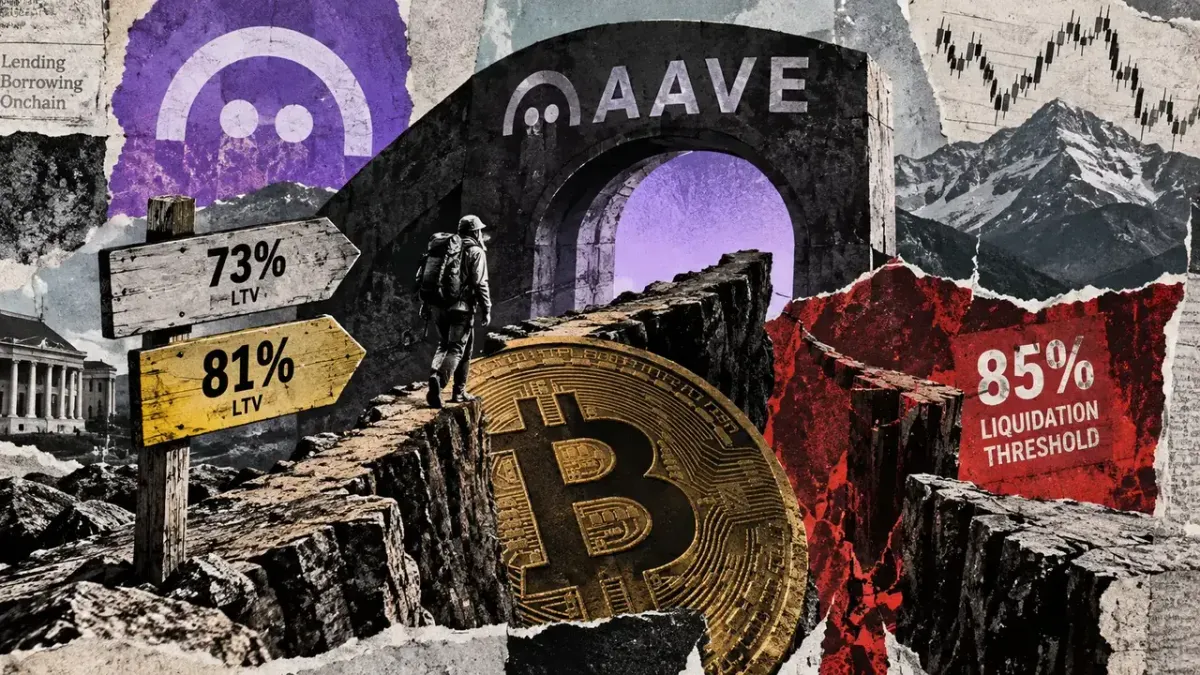
Aave's plan could expose Bitcoin loans to 4.7% price dips with higher leverage

Bitcoin price targets $86K support as oil falls under $90

GameStop possibly forfeits $31 million in Bitcoin gains from options trade

Researchers trace 1.1 million Bitcoin to early miner but Satoshi's identity remains unclear