Morgan Stanley’s Amy Oldenburg says crypto ‘becoming daily business’ across the firm
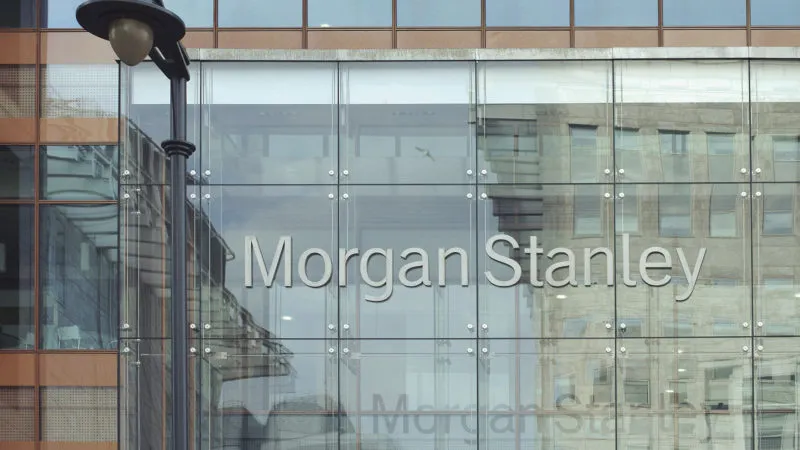
Morgan Stanley's Amy Oldenburg, the firm's digital asset chief, recently stated that cryptocurrency is increasingly being integrated into the daily operations of the bank. This shift suggests that the institution is not only recognizing the growing importance of digital assets but is also adapting its services to meet the evolving demands of its clientele. Oldenburg highlighted that the current demand for crypto offerings is diverse, with clients seeking both direct exposure to cryptocurrencies and investment options through exchange-traded funds (ETFs). This dual demand is prompting banks to strategically develop products and services that cater to both preferences.
To understand the significance of this development, it's essential to consider the broader landscape of cryptocurrency adoption within traditional finance. Over the past few years, major financial institutions have gradually warmed to the idea of incorporating digital assets into their portfolios. Morgan Stanley's move reflects a trend where established banks are not only acknowledging the legitimacy of cryptocurrencies but are also actively competing to provide their clients with access to these new investment avenues. The emergence of ETFs as a popular investment vehicle has further amplified this trend, as they offer a more regulated and accessible way for investors to gain exposure to the crypto market.
This shift matters for the market as it signals a deeper integration of cryptocurrency into mainstream finance. With major institutions like Morgan Stanley taking a proactive approach to digital assets, we could see increased legitimacy and acceptance of cryptocurrencies among retail and institutional investors. Moreover, this may lead to more sophisticated financial products being developed, further expanding the market's potential. As demand continues to grow, we could also witness a ripple effect across the industry, encouraging other banks and financial institutions to enhance their crypto offerings.
Industry experts have expressed optimism about this development. Many believe that as more banks embrace cryptocurrencies, it will help to stabilize the market by bringing in institutional capital. The presence of established financial firms can also lead to better regulatory frameworks, which are crucial for the long-term growth of the cryptocurrency ecosystem. Analysts are particularly keen on how Morgan Stanley's approach might influence other banks' strategies, potentially leading to a more significant shift towards crypto adoption in the financial sector.
Looking ahead, we anticipate that Morgan Stanley will continue to expand its digital asset services in response to client demand. As the firm develops both direct crypto exposure and ETF options, it will likely serve as a benchmark for other financial institutions considering similar paths. The coming months may reveal how effectively Morgan Stanley can navigate the complexities of the crypto market while fostering client trust and satisfaction in these emerging products. This evolution will undoubtedly be one to watch as it could shape the future of banking in a digital asset-driven world.

CoinMagnetic Team
Crypto investors since 2017. We trade with our own money and test every exchange ourselves.
Updated: April 2026
From our insights:
Related news

ECB and EU central banks propose liquidity thresholds for stablecoins

Four GOP senators backing CLARITY Act seek changes to stablecoin provisions
US investigates Binance for potential Iran-linked trading violations

Crypto sector emerges as top donor with $206 million in midterms backing

Stand With Crypto’s 4 million registered advocates couldn’t get the CLARITY Act through the Senate