Iran views BTC as a strategic asset, but USDt still dominates oil tolls: BPI
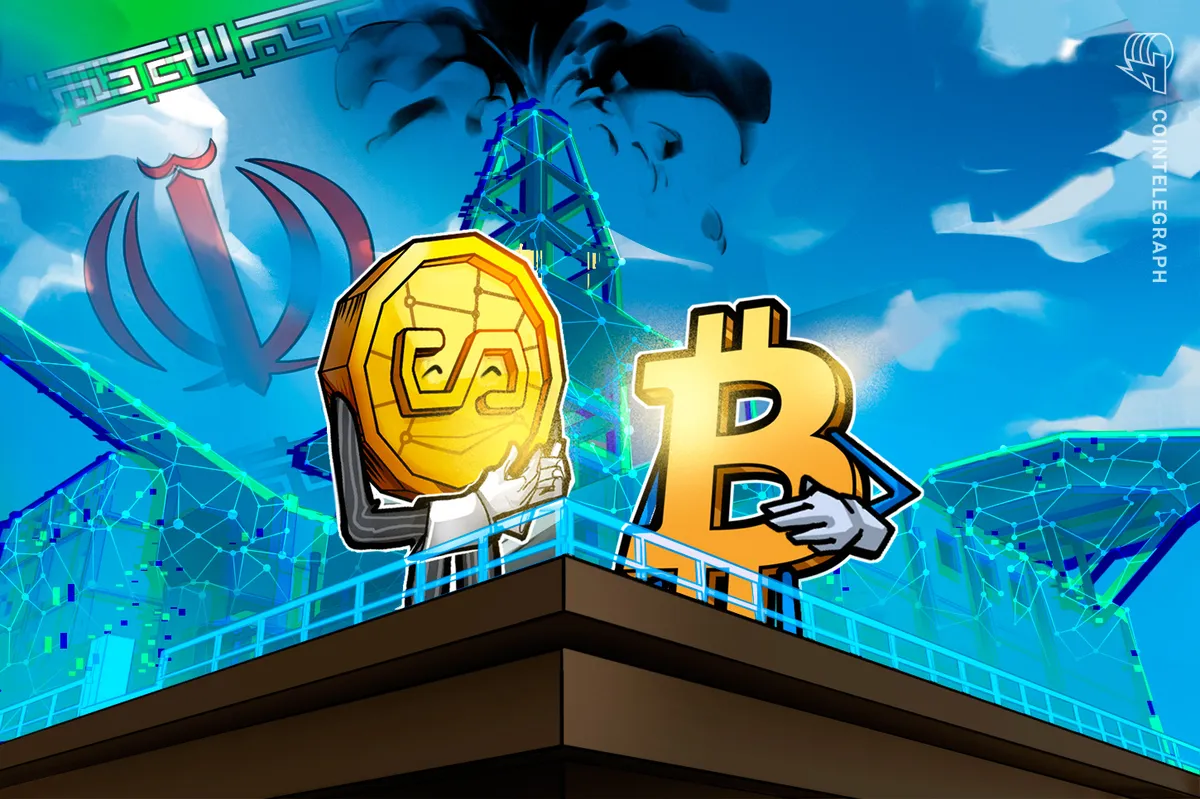
The Iranian government has recently indicated a strategic pivot toward Bitcoin as a potential payment method for oil tolls, highlighting the cryptocurrency's confiscation-resistant properties. This shift comes amidst rising geopolitical tensions and sanctions that have constrained Iran's ability to conduct trade using traditional financial systems. However, despite this apparent openness to Bitcoin, data from the Blockchain Payment Index (BPI) reveals that dollar-pegged stablecoins, particularly USDt, remain the dominant choice for these transactions. This duality suggests a complex relationship between Iran's aspirations in the crypto space and the practical realities imposed by existing market dynamics.
To understand this development, it is essential to consider Iran's longstanding challenges with U.S. sanctions, which have severely restricted its access to international banking systems. In response, Iran has been exploring various alternatives, including cryptocurrencies that provide a degree of financial sovereignty. Bitcoin, with its decentralized nature, aligns with Iran's goals of achieving greater economic independence. However, the reliance on dollar stablecoins for oil tolls indicates that traditional financial instruments still play a crucial role in the country's economic activities, likely due to the liquidity and stability these assets provide.
This situation is significant for the broader cryptocurrency market as it underscores the ongoing tension between innovative financial systems and established monetary frameworks. While Iran’s interest in Bitcoin could signal a shift toward greater adoption of cryptocurrencies in international trade, the continued dominance of USDt for oil transactions reveals the complexities involved in such a transition. The market may witness fluctuations as countries navigate their own paths toward digital asset integration while balancing the risks and benefits associated with them.
Industry reactions to Iran's dual approach have been mixed. Some experts view the Iranian government's move toward Bitcoin as a positive sign for the broader acceptance of cryptocurrencies, suggesting that it may encourage other countries facing similar sanctions to explore alternative payment methods. Conversely, others caution that the reliance on dollar stablecoins may indicate a reluctance to fully embrace the volatility and risks associated with cryptocurrencies like Bitcoin. This ongoing debate reflects the diverse perspectives within the crypto community regarding the future of digital currencies in international trade.
Looking ahead, it will be interesting to see how Iran's approach evolves and whether it may lead to a broader shift in how countries engage with cryptocurrencies. As geopolitical factors continue to influence financial decisions, the interplay between Bitcoin and stablecoins in Iran's economic strategy will likely serve as a bellwether for other nations contemplating similar paths. The coming months may reveal whether Iran can successfully integrate Bitcoin into its oil toll system or if it will continue to rely on stablecoins to navigate the complexities of international trade.

CoinMagnetic Team
Crypto investors since 2017. We trade with our own money and test every exchange ourselves.
Updated: April 2026
From our insights:
Related news
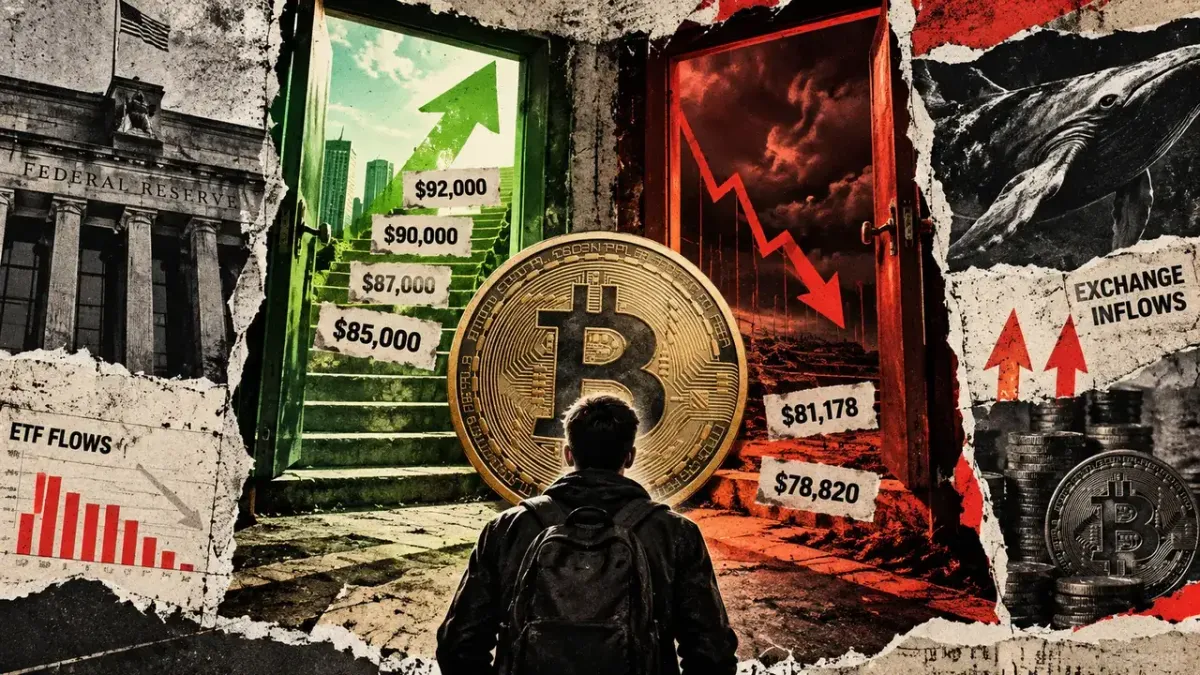
Bitcoin's weekly close above $81,000 signals potential rise to $90,000

Elon Musk's X integrates bitcoin trading options for U.S. users
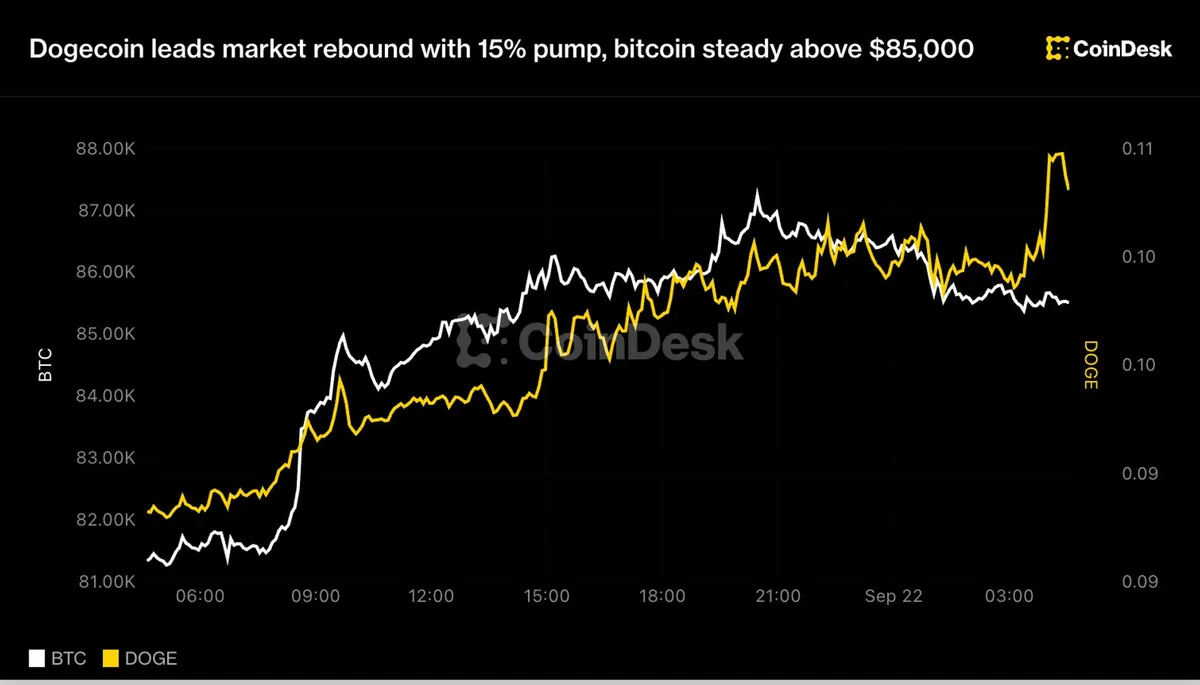
Dogecoin's 15% surge drives market recovery as bitcoin stabilizes above $85,000

Cardano adds tools for AI agent payments, joining Solana and XRP Ledger

Trueo prediction market moves from Base to Ethereum