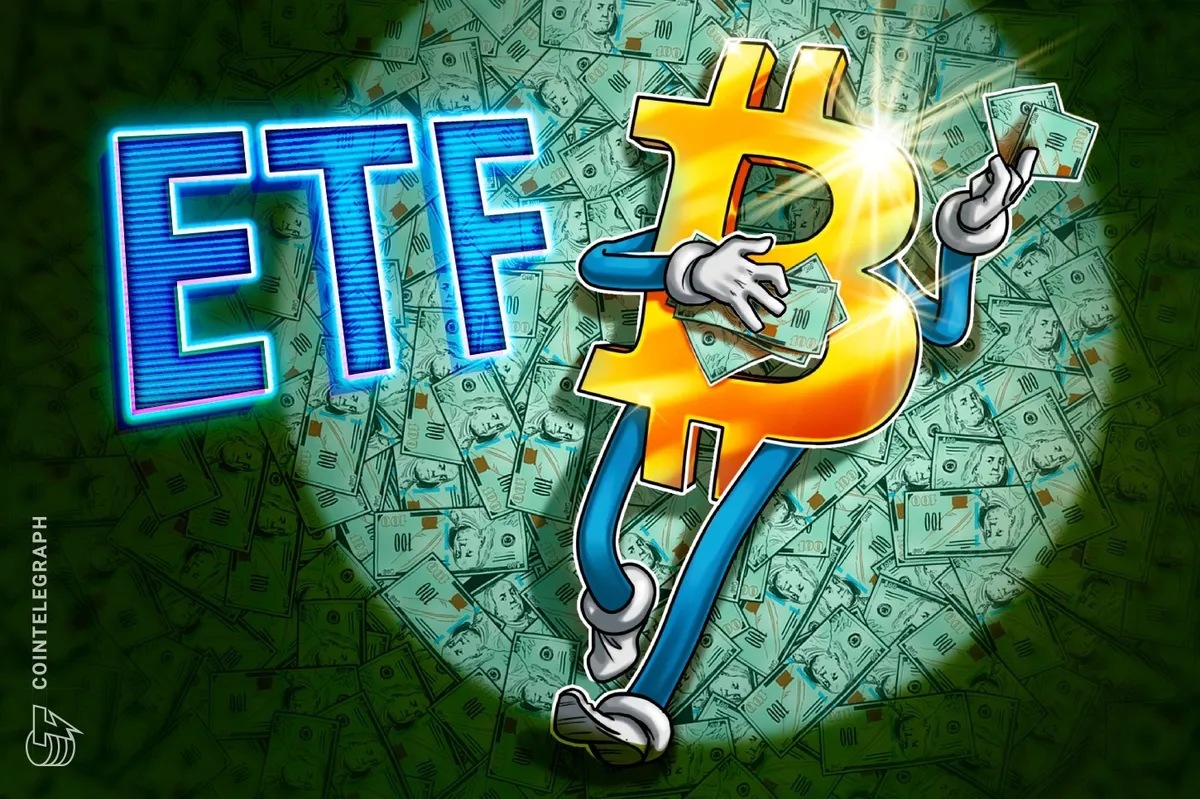
Income ETFs could be bitcoin’s volatility kill switch

Recent discussions have emerged surrounding the potential impact of income exchange-traded funds (ETFs) on Bitcoin's notorious volatility. As the cryptocurrency market continues to evolve, investors are increasingly considering innovative financial products that can stabilize prices and provide predictable returns. Income ETFs, which typically focus on assets that generate regular income, could serve as a mechanism to mitigate the wild price swings that Bitcoin is known for. By allowing investors to earn steady returns while holding Bitcoin, these ETFs might attract a more risk-averse demographic and foster a more stable investment environment.
To understand the significance of this development, it's essential to consider the historical context of Bitcoin's volatility. Since its inception, Bitcoin has experienced dramatic price fluctuations, often driven by speculative trading, market sentiment, and macroeconomic factors. This volatility has deterred some institutional investors and mainstream adopters who prefer more stable assets. The introduction of income ETFs may represent a paradigm shift, bridging the gap between traditional finance and the burgeoning world of cryptocurrencies, allowing investors to enjoy the benefits of Bitcoin while reducing the inherent risks associated with its price volatility.
The implications of income ETFs for the cryptocurrency market could be profound. If these financial products gain traction, they may usher in a new wave of institutional interest, as more conservative investors seek exposure to Bitcoin without the fear of extreme price swings. This could lead to increased liquidity and a deeper market, potentially resulting in a more stable price environment. Furthermore, a reduction in volatility could enhance Bitcoin's appeal as a long-term store of value, positioning it as a more legitimate asset class alongside equities and bonds.
Industry experts have voiced their opinions on this emerging trend, with many expressing optimism regarding the integration of income ETFs into the cryptocurrency landscape. Some analysts suggest that these products could serve as a bridge for traditional investors hesitant to enter the crypto space. Others caution that while income ETFs may help stabilize prices, they cannot eliminate volatility entirely. The consensus among industry players seems to be that, while income ETFs may not be a panacea for Bitcoin's volatility, they could play a crucial role in attracting a broader range of investors and fostering a more mature market.
Looking ahead, the development and approval of income ETFs could significantly shape the future of Bitcoin and the broader cryptocurrency ecosystem. As regulatory bodies continue to examine these financial products, the potential for income ETFs to alter the landscape of crypto investing becomes increasingly apparent. Should these products gain popularity, they may not only provide a stabilizing force for Bitcoin but also encourage innovation in other areas of the crypto market, ultimately leading to a more diverse range of investment options for both retail and institutional investors.

CoinMagnetic Team
Crypto investors since 2017. We trade with our own money and test every exchange ourselves.
Updated: April 2026
From our insights:
Related news

AI potential to drive crypto demand remains ‘underappreciated’: BlackRock

Crypto VC Hashed anchors new digital asset private credit fund targeting $300 million

21shares launches first European ETP for Zcash after US ETF debut
Bitcoin ETFs attract nearly $1B in a single day as holders regain profitability
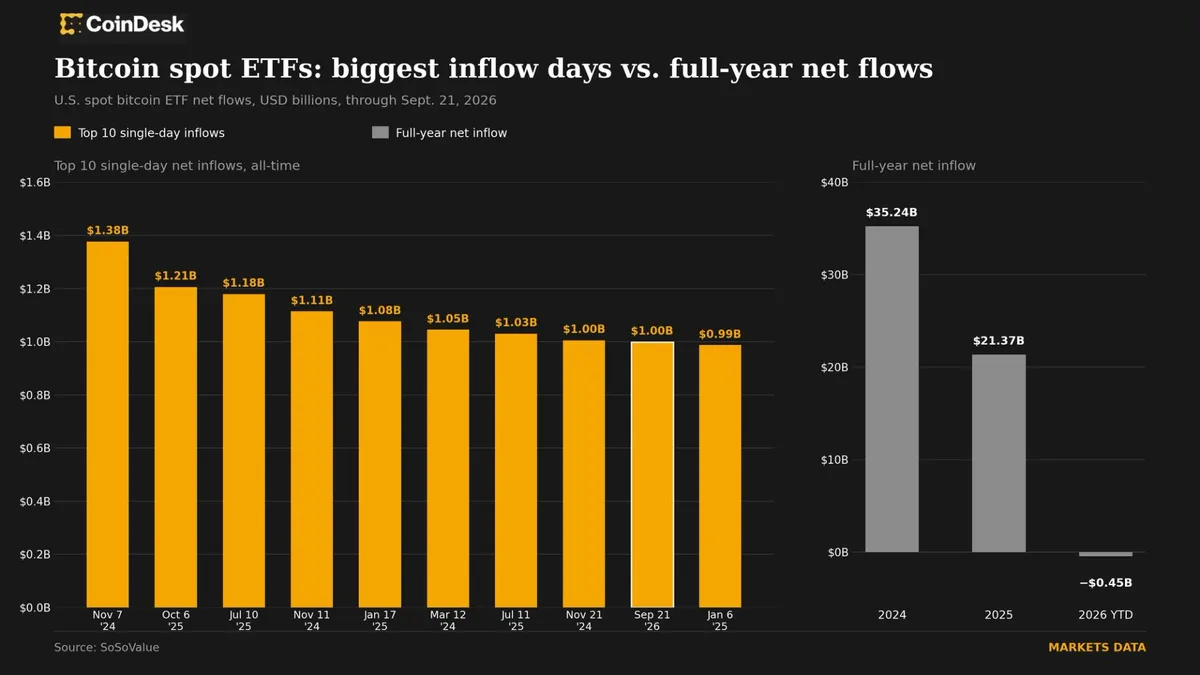
Spot bitcoin ETFs see nearly $1 billion inflow as bitcoin hits January highs