How Trump-linked WLFI set up a lending model where lenders pay the price of failure

Recent developments surrounding the WLFI token have raised significant concerns within the crypto community, particularly regarding the lending model it employs through the Dolomite platform. Users of this money market are finding themselves exposed to bad debt risks as the WLFI token is utilized as collateral under the WLFI Markets initiative. Despite World Liberty's assertion that WLFI Markets functions merely as an interface, the underlying mechanics of lending, collateral management, and liquidations are governed by Dolomite’s smart contracts. This distinction has sparked discussions about the robustness and reliability of the lending framework, especially given its ties to political figures.
To understand the implications of this situation, it’s essential to delve into the context of WLFI's establishment and its association with Trump-linked ventures. World Liberty, the organization behind WLFI, has positioned itself at the intersection of politics and finance, which has drawn both interest and skepticism. The initiative aims to leverage the existing infrastructure of decentralized finance, yet the reliance on a single token for collateral raises questions about the stability of the ecosystem. As users engage with this model, they must navigate the risks that come from a potentially volatile collateral asset, compounded by the political affiliations that may influence investor sentiment.
The ramifications of this lending model are significant for the broader market. The risks associated with WLFI could deter potential investors from engaging with the Dolomite platform and similar decentralized finance projects. If users experience substantial losses due to bad debt linked to WLFI, it may lead to a broader distrust in using tokens as collateral, thereby impacting liquidity and participation in the decentralized finance sector. This situation serves as a reminder of the importance of due diligence and risk assessment in a landscape that is often marked by rapid innovations and equally rapid downturns.
Industry reactions have been mixed, with some experts expressing concern over the implications of linking a financial product to a politically charged entity. Analysts emphasize the need for transparency and robust risk management protocols in decentralized lending platforms. The sentiment reflects a broader call within the community for improved regulatory frameworks that can safeguard users while fostering innovation. Some advocates suggest that the challenges posed by WLFI could ultimately lead to more resilient lending models as the industry learns from these vulnerabilities.
Looking ahead, it remains to be seen how the market will adjust to the revelations surrounding WLFI and its lending mechanism. Stakeholders may push for enhanced governance structures and clearer collateral guidelines to restore confidence. Additionally, if the risks associated with WLFI lead to significant losses, we may see a shift in how collateralized lending is structured within decentralized finance, with an emphasis on diversifying collateral types to mitigate risk. As the landscape evolves, ongoing scrutiny and adaptation will be crucial in maintaining the integrity and trustworthiness of the decentralized finance ecosystem.

CoinMagnetic Team
Crypto investors since 2017. We trade with our own money and test every exchange ourselves.
Updated: April 2026
From our insights:
Related news
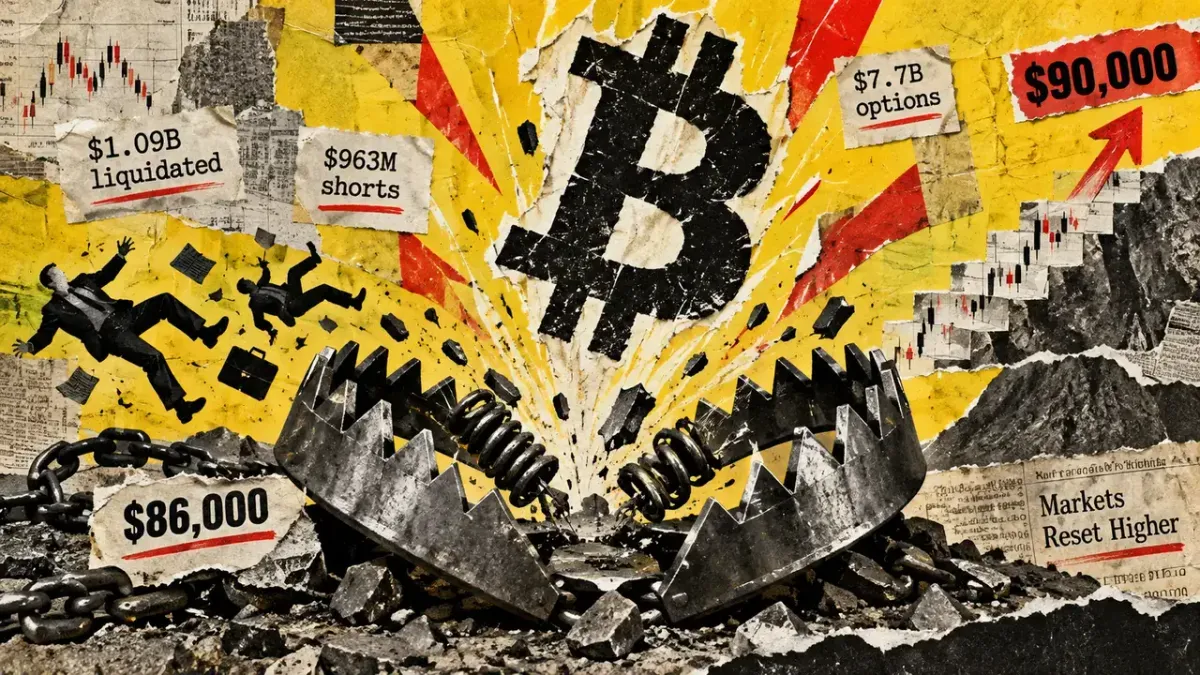
Bitcoin surges past $86,000 as $1 billion in shorts are liquidated, eyes on $90,000
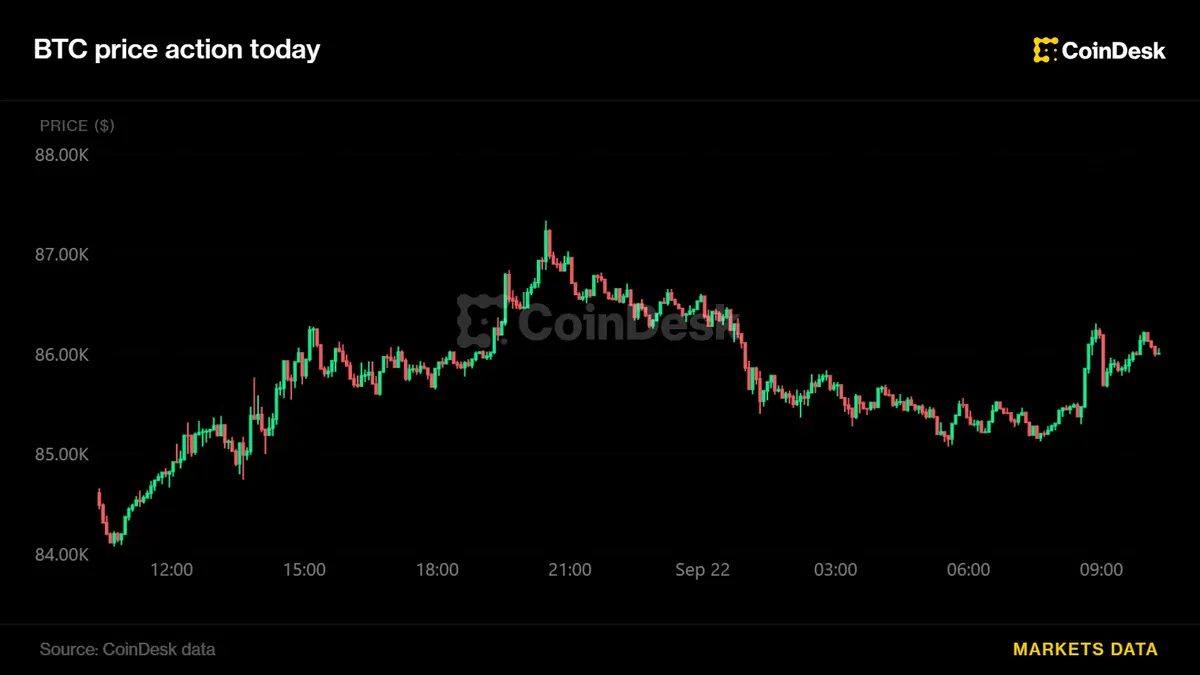
Bitcoin bounces back to $86,000 as oil prices decline and stocks rise

Prediction markets projected to reach $10 trillion by 2035, surpassing sports
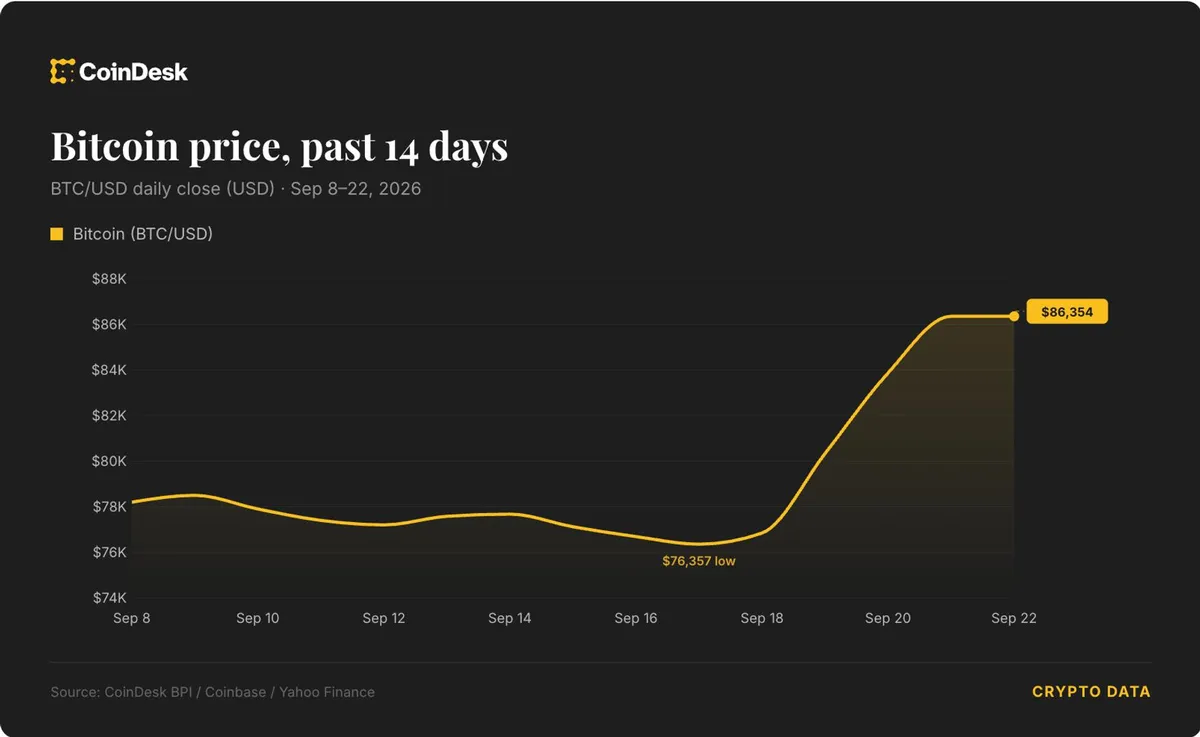
Iran hints at reopening Strait of Hormuz, WTI oil drops to $89

New altseason signal emerges as Bitcoin market cap stays under 60%