White House warns staff as Iran bets add to growing insider trading concerns
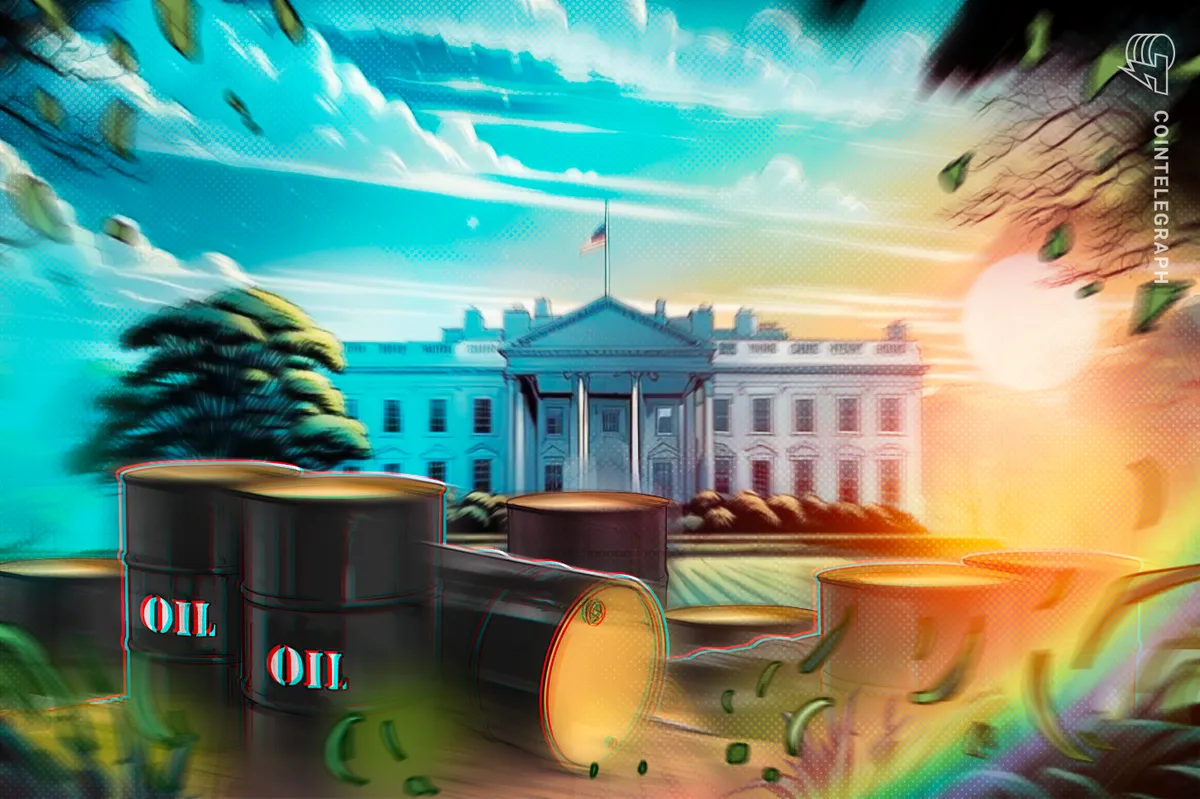
Recently, the White House has issued a warning to its staff regarding the use of confidential information, particularly in light of unusual bets linked to Iran in the oil futures market. This advisory follows reports of heightened scrutiny regarding prediction markets and the potential implications they hold for insider trading. The concerns stem from a series of trades that appear to be based on non-public information, raising alarms about the integrity of these financial markets and the ethical responsibilities of those within the administration.
The context of this warning is crucial, as it comes at a time when tensions surrounding Iran are escalating, particularly in the energy sector. The recent trades suggest that some individuals may be privy to sensitive government information or insights about future policies affecting oil production and pricing. Historically, insider trading has been a significant issue in financial markets, leading to stricter regulations and oversight. The White House's action reflects an effort to maintain ethical standards and prevent any potential misuse of information that could undermine market fairness.
This situation matters for the market as it highlights the ongoing concerns regarding transparency and the ethical landscape of trading practices. If individuals are found to be engaging in insider trading, it could lead to regulatory backlash and impact investor confidence. Moreover, the focus on Iran's oil market ties into broader geopolitical dynamics that can influence oil prices and overall market stability. As traders and investors become increasingly aware of these developments, they may adjust their strategies based on perceived risks related to insider information and market manipulation.
Industry reactions have varied, with some experts expressing concern about the implications of these events for market integrity. Several analysts have pointed out that while the warning is a necessary step, it also underscores the broader issue of information asymmetry in financial markets. Regulatory experts suggest that more stringent measures may be needed to address potential insider trading and enhance market transparency. Others, however, emphasize that prediction markets can play a role in aggregating information, which, if regulated properly, could provide valuable insights rather than detracting from market fairness.
As we look ahead, the situation calls for close monitoring of both the White House's actions and the response from regulatory bodies. It remains to be seen how these warnings will translate into policy changes or whether further investigations into the suspicious trades will be launched. The interplay between government actions, market reactions, and investor sentiment will be critical in shaping the future landscape of trading practices, especially in volatile sectors like energy. Keeping an eye on regulatory developments and market responses will be essential for understanding the long-term implications of this unfolding situation.

CoinMagnetic Team
Crypto investors since 2017. We trade with our own money and test every exchange ourselves.
Updated: April 2026
From our insights:
Related news

Bitcoin, ether perpetual volumes on Kalshi are dominated by an unusual, repetitive trade, data shows
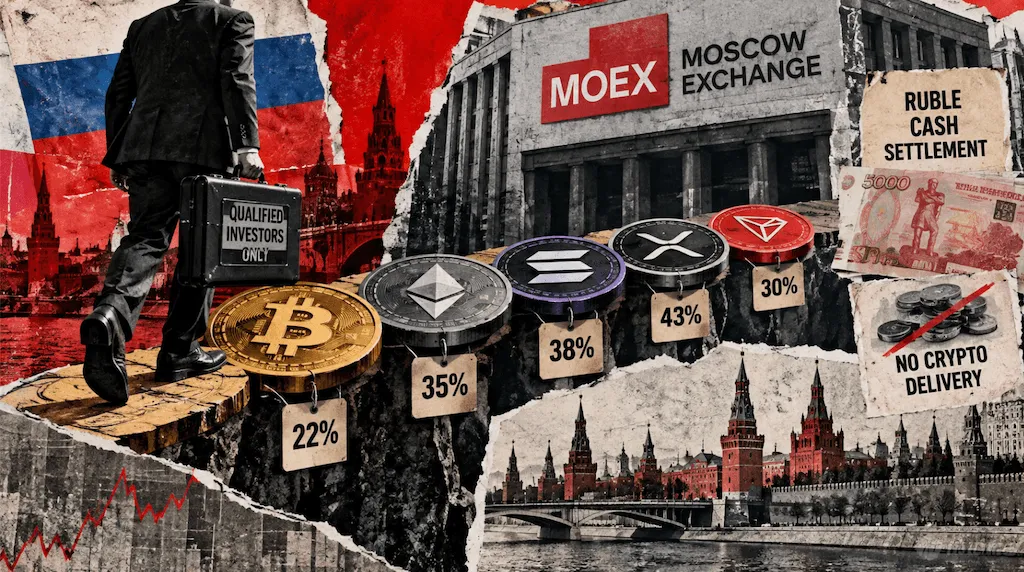
Moscow Exchange introduces 5 crypto perpetual futures amid 600 billion ruble demand

SoFi begins stablecoin settlement on Mastercard network for program expected to exceed $25 billion in annualized volume

A $3.2 million 'bitcoin butterfly' option trade bets on $95,000 by the end of October
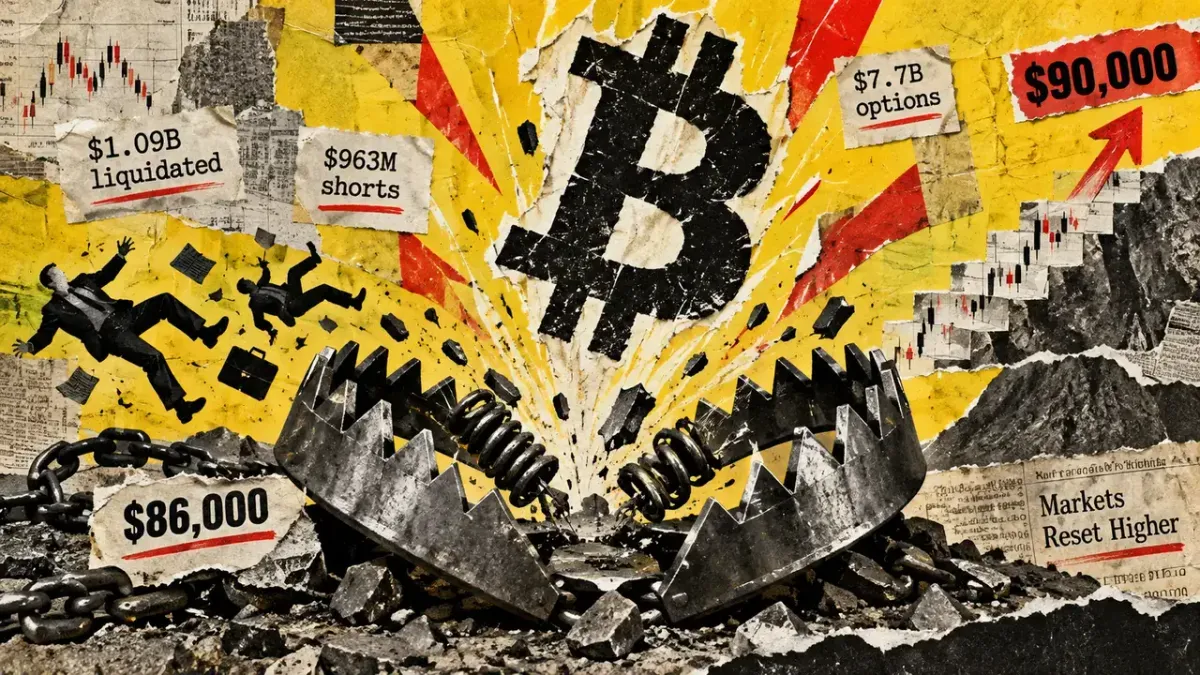
Bitcoin surges past $86,000 as $1 billion in shorts are liquidated, eyes on $90,000