Google Signs AI Deal With Pentagon for Classified Work as Employees Object

Google has recently signed a deal with the Pentagon to provide artificial intelligence solutions for classified military operations, a move that has sparked significant dissent among its employees. This partnership aims to enhance various aspects of military operations through advanced AI technologies, including data analysis and decision-making processes. While Google has not disclosed the financial terms of the agreement or the specific projects involved, the collaboration is expected to leverage Google's expertise in machine learning and data processing to support national security objectives.
The backdrop to this controversy involves a broader conversation about the role of technology in warfare and military applications. Google has previously faced backlash over its involvement with the military, particularly regarding Project Maven, an initiative aimed at using AI to analyze drone footage. The concerns raised by employees at that time led to a public outcry and ultimately resulted in Google not renewing its contract for that project. However, with this new agreement, the company appears to be stepping back into the military arena, reigniting debates about ethical implications and corporate responsibility.
The significance of this partnership goes beyond just Google; it highlights a growing trend of tech companies collaborating with government entities for defense purposes. As nations increasingly look to integrate AI into military strategies, companies like Google find themselves at a crossroads between innovation and ethical considerations. This deal may influence market perceptions of tech companies involved in defense, potentially affecting their reputations among consumers who prioritize ethical practices. If public sentiment turns against such collaborations, it could lead to a reevaluation of corporate involvement in military contracts across the industry.
Reactions from industry experts and advocacy groups have been mixed. Some see this as a necessary step for technological advancement in defense, arguing that AI can significantly enhance military efficiency and effectiveness. Others, however, raise alarms about the potential misuse of AI technologies in combat scenarios and the moral implications of commercializing warfare. Google employees have expressed their concerns through internal forums and public statements, emphasizing the need for the company to reconsider its alignment with military projects that could lead to harmful consequences.
Looking ahead, the implications of this deal could shape not only Google's future engagements with defense contracts but also the broader landscape of the tech industry’s relationship with military applications. As the dialogue around ethical AI continues to evolve, we may see increased activism from employees and consumers alike, demanding transparency and accountability in how such technologies are developed and deployed. The coming months will likely reveal how Google navigates this complex terrain and whether it will heed the concerns raised by its workforce and the public.

CoinMagnetic Team
Crypto investors since 2017. We trade with our own money and test every exchange ourselves.
Updated: April 2026
From our insights:
Related news

Bitcoin ETFs take in $1.7B in 2 days as BTC tops holder cost basis
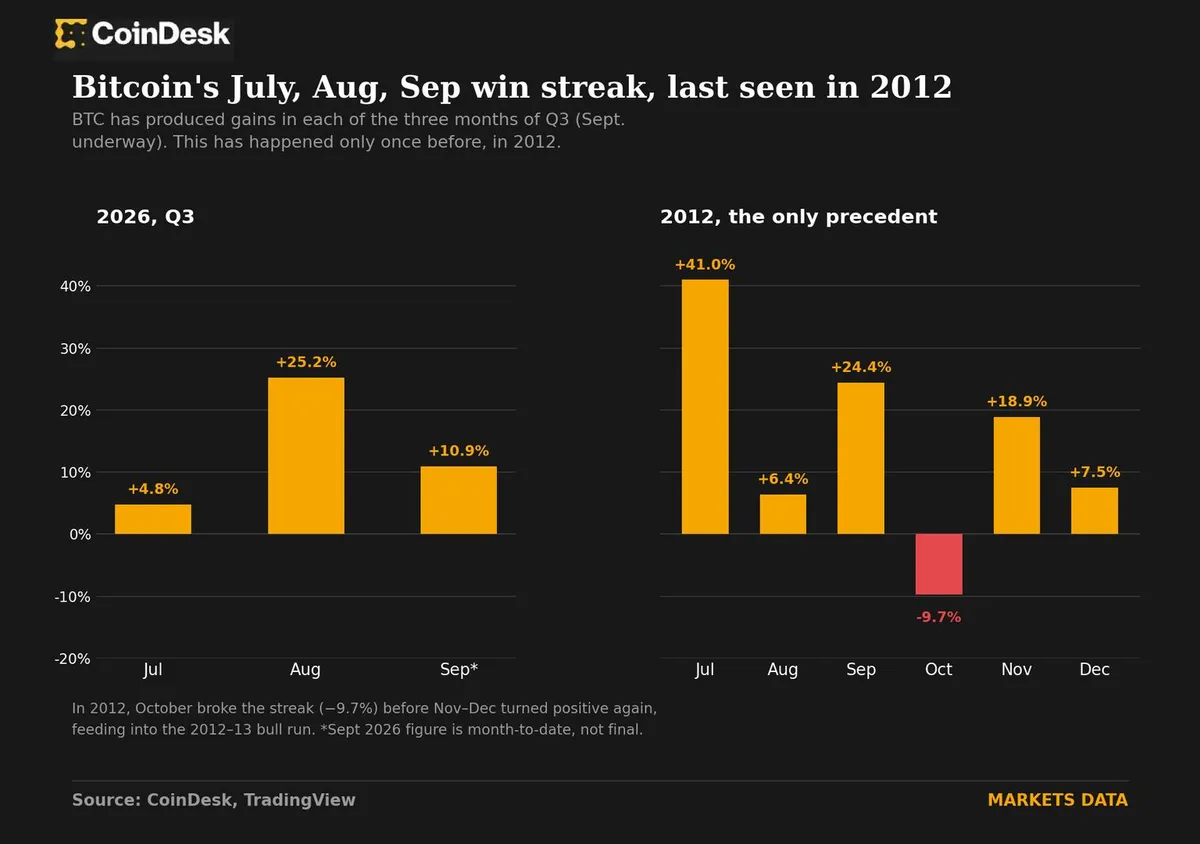
Bitcoin's on a streak it hasn't hit since 2012

CFTC warns against risky prediction market contracts following Trump's speech trades
CFTC issues advisory on risks of cheating in prediction markets

CFTC issues warning on manipulation risks in prediction markets tied to mentions