France Charges 88, Including Minors, in Crypto ‘Wrench Attack’ Crackdown

In a significant crackdown on a rising trend of crypto-related crimes, French authorities have charged 88 individuals, including minors, in connection with a series of violent thefts known as “wrench attacks.” These incidents, which typically involve the use of tools to forcibly steal cryptocurrency from victims, have surged in France, with 135 reported cases since the beginning of 2023. The arrests follow an intensive investigation aimed at curbing this alarming rise in violent crime associated with digital currencies.
The phenomenon of wrench attacks is not new, but its prevalence has notably increased in France over the past year, coinciding with the growing popularity and mainstream adoption of cryptocurrencies. These attacks often target individuals who are perceived to possess significant amounts of crypto, with perpetrators using physical force to gain access to victims’ wallets or personal devices. As the value of cryptocurrencies continues to fluctuate and attract more attention from the public, the criminal tactics related to them have adapted, leading to these increasingly aggressive thefts.
The implications of this crackdown are significant for the broader cryptocurrency market. As France takes a firm stance against such crimes, it may serve as a precedent for other nations grappling with similar issues. A successful approach to combating wrench attacks could inspire confidence among crypto users and investors, fostering a safer environment for digital asset transactions. Conversely, persistent incidents of crime could deter potential investors and users from engaging with cryptocurrencies, leading to volatility in the market.
Industry reactions have varied, with some experts praising the French government’s proactive measures while others express concern over the potential for overreach. Law enforcement’s focus on these crimes highlights the need for more robust security measures and education for cryptocurrency users. Some industry insiders argue that enhanced security protocols and technological innovations could help prevent such attacks, while others advocate for clearer regulations to protect consumers without stifling innovation.
Looking ahead, the situation may evolve as authorities continue to address the challenges posed by wrench attacks. It remains to be seen how effective this crackdown will be in reducing violence associated with cryptocurrencies, but it is clear that public awareness and education will play critical roles in promoting a safer crypto environment. As the industry adapts to these challenges, collaboration between law enforcement, policymakers, and tech developers will be vital in fortifying defenses against such aggressive criminal tactics.

CoinMagnetic Team
Crypto investors since 2017. We trade with our own money and test every exchange ourselves.
Updated: April 2026
From our insights:
Related news

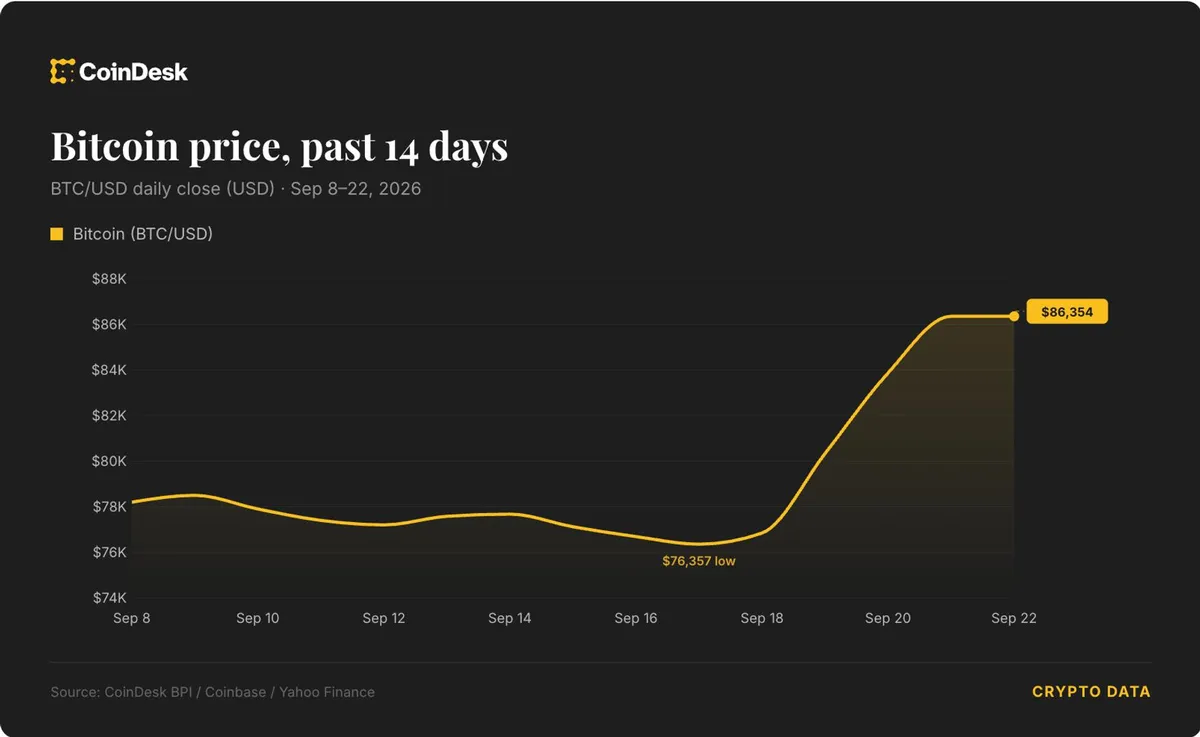
Bitcoin surges past $86,000 as $1 billion in shorts are liquidated, eyes on $90,000
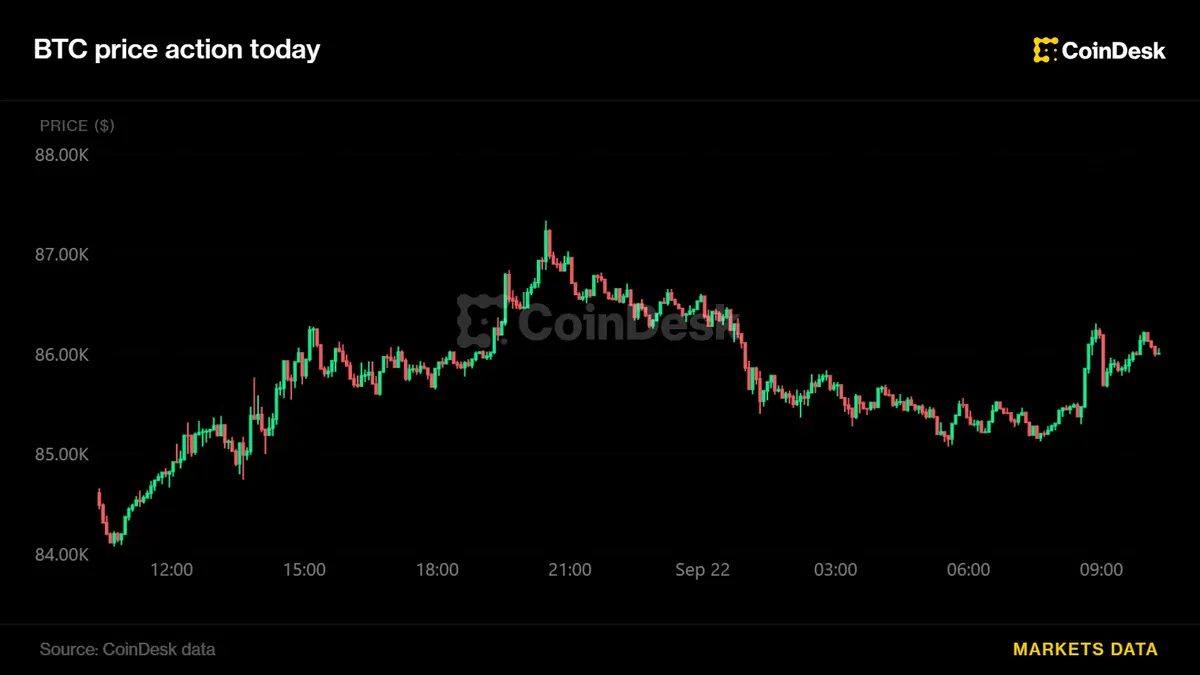
Bitcoin bounces back to $86,000 as oil prices decline and stocks rise

Prediction markets projected to reach $10 trillion by 2035, surpassing sports
Iran hints at reopening Strait of Hormuz, WTI oil drops to $89

New altseason signal emerges as Bitcoin market cap stays under 60%