Ethereum Foundation Helps Expose North Korean Workers That Infiltrated Crypto Firms

The Ethereum Foundation has recently taken significant strides in addressing the infiltration of North Korean IT workers into the cryptocurrency sector. Their six-month initiative successfully identified approximately 100 individuals from the Democratic People's Republic of Korea (DPRK) who were embedded within 53 different crypto projects. This exposure highlights the ongoing concerns about the involvement of state-sponsored actors in the crypto space, particularly given the DPRK's history of cyber operations aimed at funding its regime through illicit means.
To provide some context, North Korea has long been recognized as a nation that leverages cyber capabilities to fund its government through various means, including cryptocurrency theft and fraud. With the increasing sophistication of its cyber operations, the regime has reportedly targeted crypto firms globally, seeking to exploit vulnerabilities in the decentralized financial ecosystem. The Ethereum Foundation's program, aimed at uncovering these infiltrators, reflects a growing awareness and urgency within the crypto community to protect itself against external threats that could undermine its integrity and security.
This development carries significant implications for the cryptocurrency market. As more projects and firms become aware of the potential risks posed by rogue state actors, there may be an increased emphasis on security protocols and due diligence processes within the industry. Furthermore, the exposure of North Korean workers may serve as a wake-up call for regulatory bodies, potentially leading to more stringent oversight of hiring practices within the crypto sector. In a market that thrives on trust and transparency, ensuring that participants are not inadvertently collaborating with malicious entities will be crucial for the industry's reputation and sustainability.
Industry experts have reacted with a mix of concern and support regarding the Ethereum Foundation's findings. Many see this as a critical step in safeguarding the integrity of the crypto ecosystem, while others caution that the problem of state-sponsored infiltration is far from resolved. Some analysts recommend that firms take proactive measures, such as enhancing their cybersecurity frameworks and conducting thorough background checks on employees, to mitigate risks. The consensus among experts is that collaboration across the industry will be essential to effectively counter these threats and bolster the overall resilience of the cryptocurrency market.
Looking ahead, the Ethereum Foundation's initiative may pave the way for broader collaborations among crypto projects to share intelligence on potential threats. As the industry evolves, we might see more organizations banding together to form coalitions aimed at addressing security issues related to state-sponsored actors. This collective approach could not only enhance the security of individual projects but also fortify the entire crypto ecosystem against future infiltration attempts. With the stakes higher than ever, the need for vigilance and cooperation within the crypto community has never been more pressing.

CoinMagnetic Team
Crypto investors since 2017. We trade with our own money and test every exchange ourselves.
Updated: April 2026
From our insights:
Related news

Bitcoin surges past $86,000 as $1 billion in shorts are liquidated, eyes on $90,000
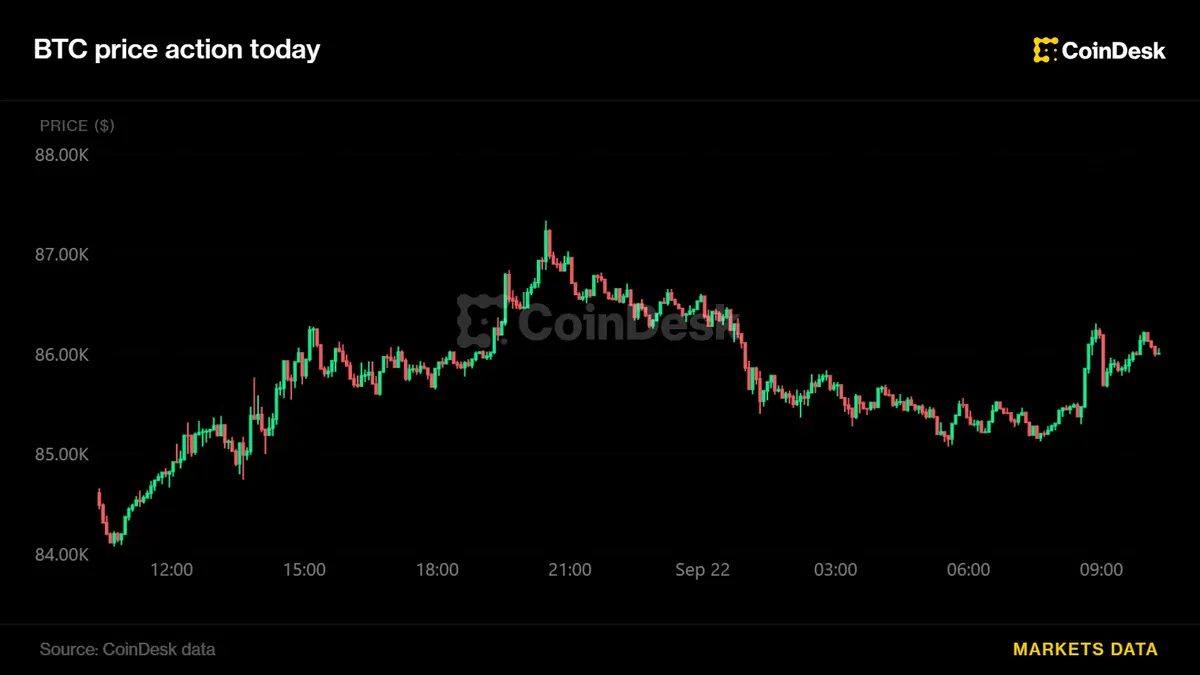
Bitcoin bounces back to $86,000 as oil prices decline and stocks rise

Prediction markets projected to reach $10 trillion by 2035, surpassing sports
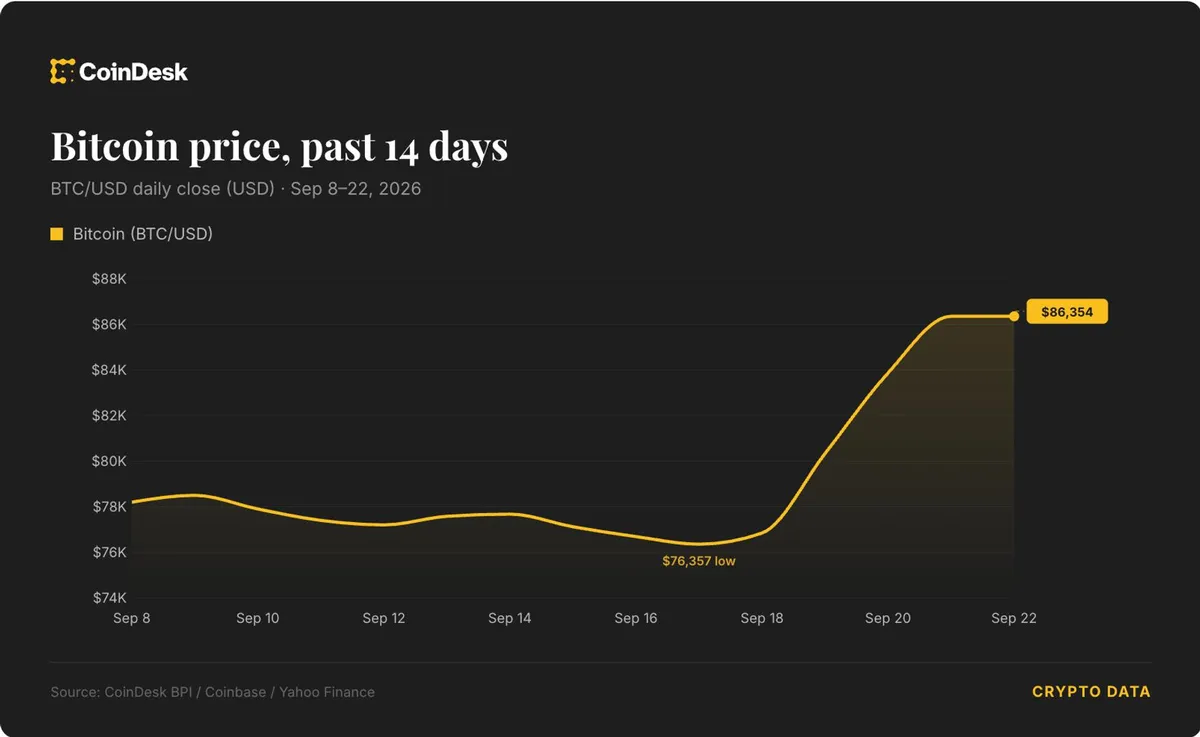
Iran hints at reopening Strait of Hormuz, WTI oil drops to $89

New altseason signal emerges as Bitcoin market cap stays under 60%