Crypto lobby backs formal removal of ‘reputation risk’ from bank examinations

In a significant development for the cryptocurrency sector, a coalition of crypto industry advocates is backing a formal removal of the so-called "reputation risk" provision from bank examinations. This move follows recent actions by the Office of the Comptroller of the Currency (OCC) and the Federal Deposit Insurance Corporation (FDIC), which have finalized rules that eliminate the consideration of reputation risk in their evaluations of financial institutions. This change is seen as a crucial step toward normalizing the relationship between traditional banking and the crypto industry, potentially paving the way for greater integration.
The background of this issue stems from longstanding concerns within the banking sector about the perceived risks associated with cryptocurrencies. Banks have often been hesitant to engage with crypto-related businesses due to fears that involvement could tarnish their reputations, particularly in light of regulatory scrutiny and volatile market conditions. However, the recent decisions by the OCC and FDIC signal a shift in this mindset, suggesting that regulators are becoming more open to the idea of crypto as a legitimate and stable component of the financial ecosystem.
This development holds significant implications for the market. By removing the stigma associated with crypto-related banking activities, financial institutions may feel more empowered to engage with blockchain companies and digital asset services. This could lead to a broader acceptance of cryptocurrencies and potentially stimulate investment and innovation within the sector. As banks begin to view crypto as a viable business model rather than a reputational risk, we may witness increased liquidity and a more robust infrastructure that supports digital assets.
Industry experts have reacted positively to this news, viewing it as an encouraging sign of progress. Many believe that the removal of reputation risk will enhance the credibility of crypto companies and enable greater collaboration between banks and digital asset firms. As one prominent analyst noted, this change could help bridge the gap between traditional finance and the burgeoning crypto market, fostering an environment where both can thrive together.
Looking ahead, the focus will likely shift to how banks implement these new guidelines and the extent to which they embrace cryptocurrency-related services. The coming months may reveal whether this regulatory shift translates into tangible changes in banking practices, such as increased lending to crypto startups or the introduction of new financial products tailored for the digital asset market. As the landscape continues to evolve, we will be watching closely to see how these developments impact both the crypto industry and the broader financial sector.

CoinMagnetic Team
Crypto investors since 2017. We trade with our own money and test every exchange ourselves.
Updated: April 2026
From our insights:
Related news

Fomopeek app exploits iOS vulnerabilities to steal $580,000 in USDT

DeepSeek to address UN Security Council on AI risks alongside Dario Amodei

Lummis blames Democrats for failed crypto Clarity Act vote
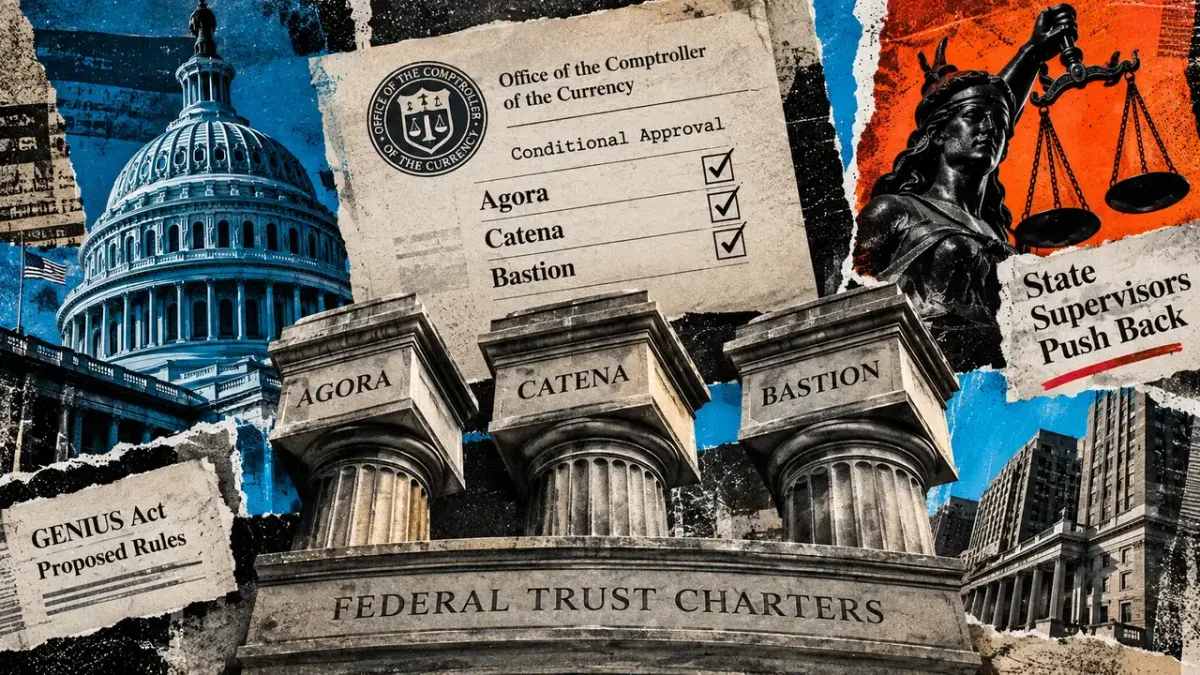
Federal approval won’t guarantee success for Agora, Catena, and Bastion

Regulatory clarity on crypto relies on officials, not Congress, says White House