Crypto billionaire to prison: CZ’s autobiography revisits turbulent Binance era
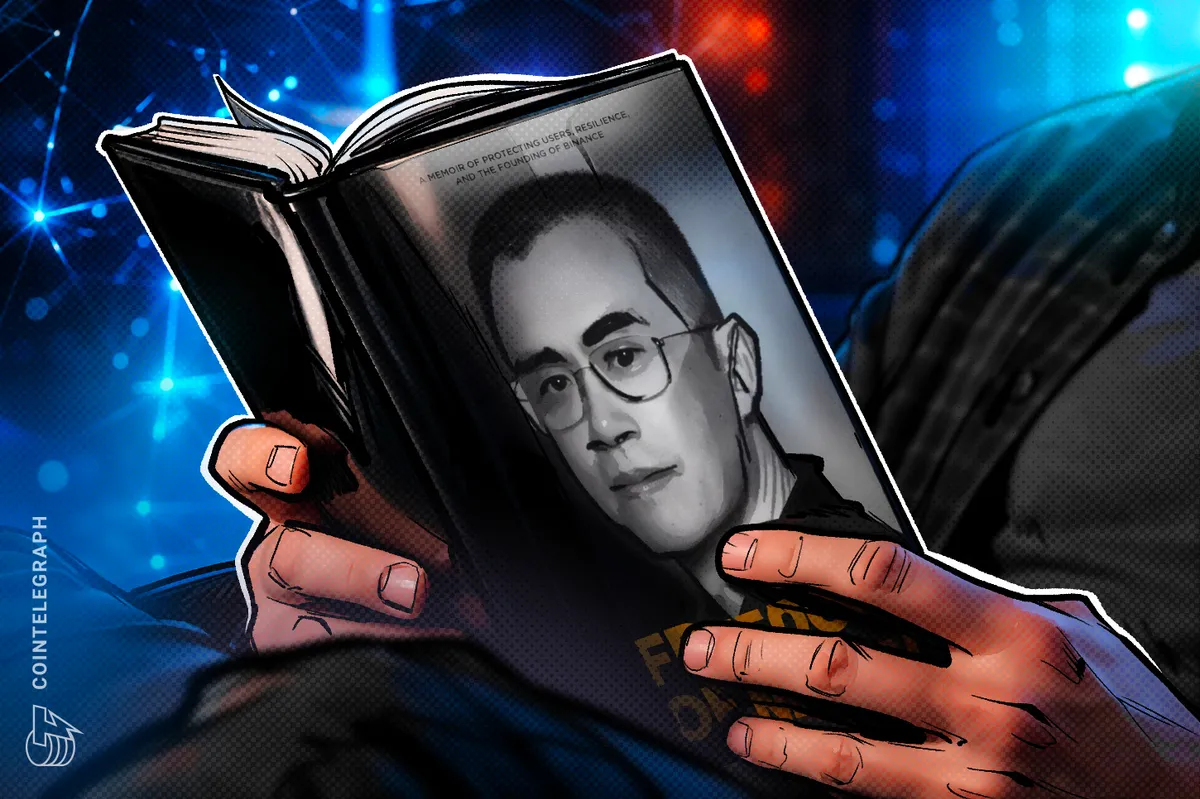
Changpeng Zhao, the founder of Binance and a prominent figure in the cryptocurrency world, has recently released his autobiography, providing an in-depth look at the meteoric rise of Binance, the regulatory challenges the exchange has faced, and his own journey through it all, culminating in a prison sentence. The memoir offers a unique first-person perspective on the events that shaped the crypto landscape, detailing the struggles and triumphs that marked the turbulent era in which Binance emerged as a leading player in the industry. Zhao's narrative is not only a personal journey but also a reflection of the broader dynamics at play in the rapidly evolving crypto market.
To understand the significance of Zhao's memoir, it is essential to consider the context surrounding Binance's rise. Founded in 2017, Binance quickly became the largest cryptocurrency exchange by trading volume, attracting millions of users worldwide. However, with such rapid growth came increased scrutiny from regulators across various jurisdictions. The memoir delves into the challenges Zhao faced as he navigated regulatory hurdles, including investigations and compliance issues that ultimately led to his incarceration. This backdrop is crucial for grasping the implications of his story and the lessons learned from these experiences.
The release of Zhao's autobiography comes at a critical juncture for the cryptocurrency market, which has been grappling with regulatory uncertainties and market volatility. As investors and industry stakeholders seek clarity on the future of digital assets, Zhao's account serves as a reminder of the challenges that come with innovation in a space that is still finding its regulatory footing. His experiences highlight the potential pitfalls of operating in a rapidly changing environment, underscoring the importance of compliance and adaptability for crypto firms.
Industry reactions to the memoir have been mixed. Some experts view it as a valuable resource for understanding the complexities of the crypto market, while others express skepticism about Zhao's perspective, given his legal troubles. Crypto analysts have noted that the memoir could spark further discussions about the need for clearer regulations and the importance of accountability within the industry. As Zhao shares his journey, it invites readers to consider the broader implications of leadership and governance in the rapidly evolving world of cryptocurrency.
Looking ahead, Zhao's autobiography may influence how entrepreneurs and investors approach the crypto landscape. As the industry continues to mature, the lessons learned from Binance's journey could shape the strategies of emerging players and established firms alike. Additionally, Zhao's experiences may prompt regulators to reassess their approaches to oversight in the crypto space, potentially leading to new frameworks that balance innovation with consumer protection. As the narrative unfolds, it will be interesting to see how Zhao's story resonates within the evolving dialogue on the future of cryptocurrency and blockchain technology.

CoinMagnetic Team
Crypto investors since 2017. We trade with our own money and test every exchange ourselves.
Updated: April 2026
From our insights:
Related news
Inside Coinbase’s $250 Billion Playbook for Post-Quantum Bitcoin Custody
William Blair sees Coinbase and Circle shares benefiting from crypto recovery
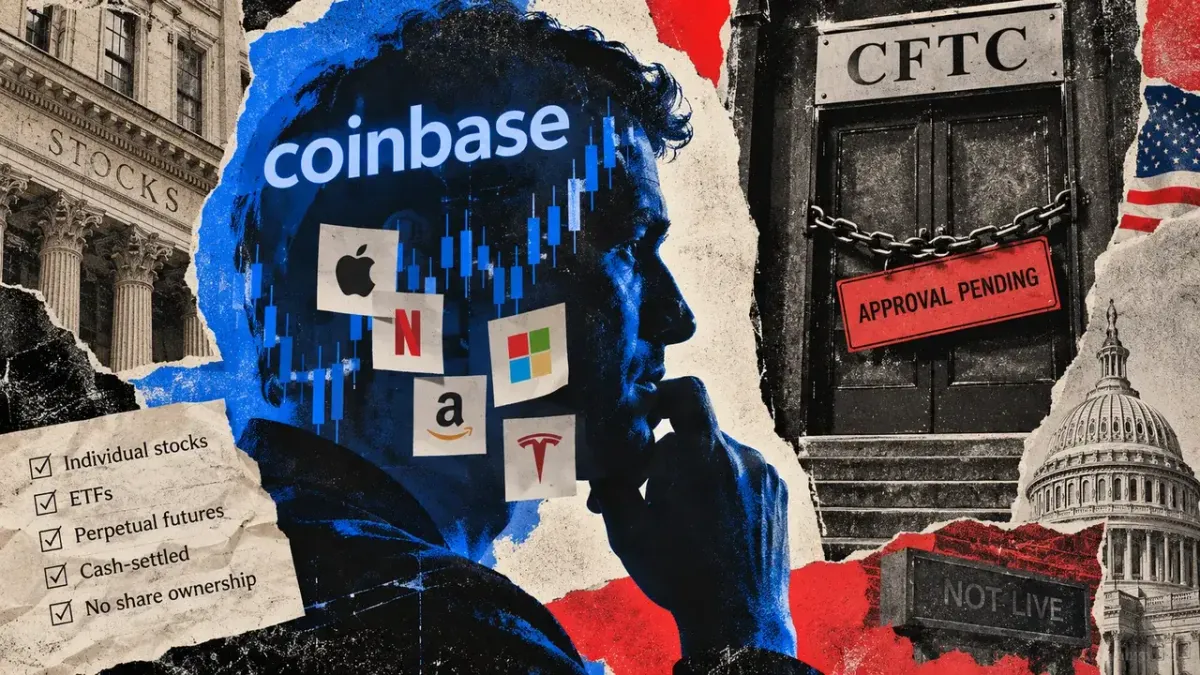
Coinbase plans to launch cash-settled stock futures amid CFTC delays
Coinbase adds fixed-rate bitcoin-backed loans through Morpho Midnight

Binance invests $100 million in Circle as part of expanded USDC partnership