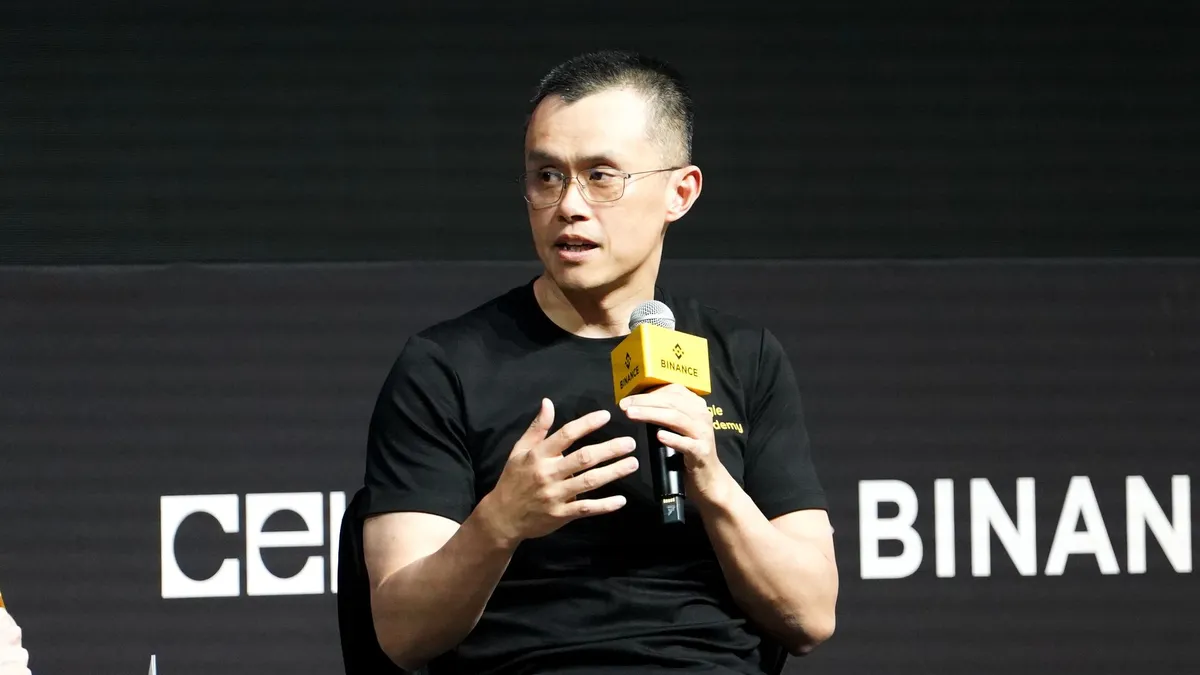
South Korea orders crypto exchanges to verify holdings every 5 minutes
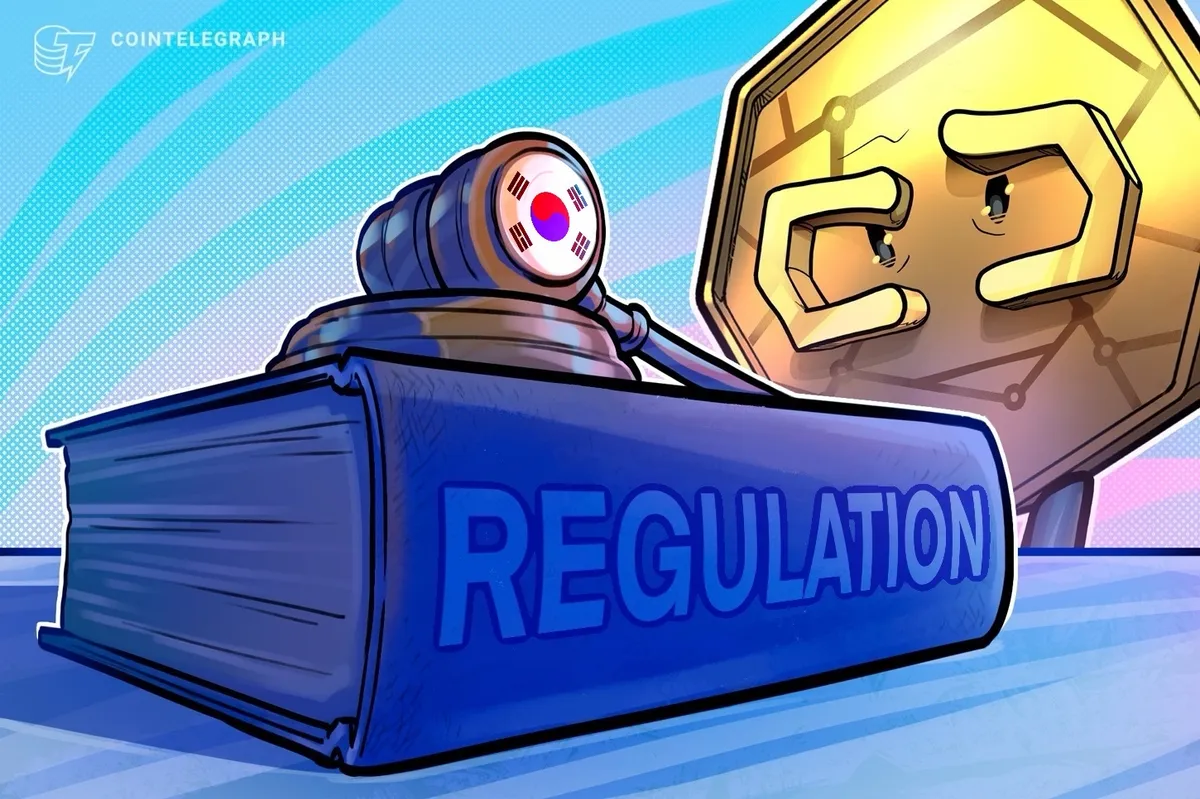
In a significant regulatory move, South Korea has mandated that all cryptocurrency exchanges operating within its jurisdiction verify their holdings every five minutes. This directive follows a thorough inspection that revealed concerning inefficiencies in the reconciliation processes and inadequately robust trade-halting systems among major exchanges. The frequent verification requirement aims to enhance transparency and bolster investor protection, addressing the vulnerabilities that have become apparent in the rapidly evolving digital asset landscape.
The backdrop to this decision is rooted in the increasing scrutiny faced by crypto exchanges worldwide, particularly in light of high-profile collapses and instances of financial malpractice. South Korea has been at the forefront of adopting stringent regulations in the crypto sector, driven by the need to safeguard investors and maintain the integrity of its financial markets. Previous regulatory efforts have included stringent anti-money laundering (AML) rules and the requirement for exchanges to register with the Financial Services Commission (FSC). This latest mandate reflects an escalation in those efforts as authorities seek to tighten oversight and ensure that exchanges operate with greater accountability.
This new requirement is likely to have significant implications for the market. By enforcing real-time verification of holdings, regulators aim to reduce the risks associated with mismanagement of assets and potential insolvencies. For investors, this could foster increased trust in the exchanges, potentially leading to higher trading volumes and greater participation in the crypto market. However, it may also create operational challenges for exchanges that will need to adapt their systems and processes to comply with these regulations, possibly leading to increased costs and potential service disruptions in the short term.
Industry reactions have been mixed, with some stakeholders expressing support for the increased transparency that the new rules bring. Experts argue that frequent verification could help prevent fraudulent activities and protect retail investors from sudden losses. However, others have raised concerns about the practicality of implementing such stringent measures, especially for smaller exchanges that may struggle with the financial and technical demands of compliance. The balance between regulation and innovation remains a contentious topic, as the industry grapples with the need for oversight while fostering an environment conducive to growth.
Looking ahead, we can expect further developments as exchanges begin to implement these new verification protocols. The regulatory landscape in South Korea may serve as a bellwether for other countries contemplating similar measures, particularly as the global focus on crypto regulation intensifies. As the exchanges adapt to these changes, it will be crucial to monitor their impact on market dynamics and the overall health of the crypto ecosystem in South Korea and beyond.

CoinMagnetic Team
Crypto investors since 2017. We trade with our own money and test every exchange ourselves.
Updated: April 2026
From our insights:
Related news

Inside Coinbase’s $250 Billion Playbook for Post-Quantum Bitcoin Custody
William Blair sees Coinbase and Circle shares benefiting from crypto recovery
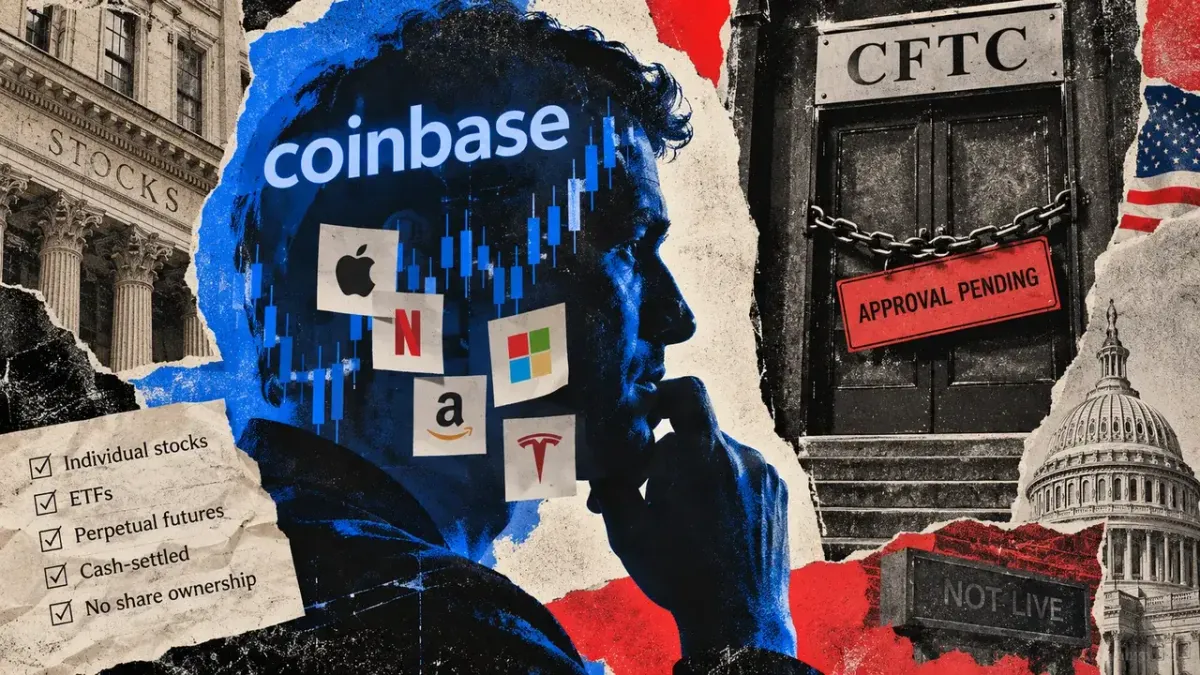
Coinbase plans to launch cash-settled stock futures amid CFTC delays
Coinbase adds fixed-rate bitcoin-backed loans through Morpho Midnight

Binance invests $100 million in Circle as part of expanded USDC partnership