China's tax authority urges banks to implement blockchain for lending services

China's tax authority, alongside its leading financial institutions, is making significant strides to integrate blockchain technology into the banking sector, specifically for lending services. This initiative aims to enhance credit facilities by leveraging the unique advantages of blockchain, such as improved data transparency and security. By encouraging banks to adopt this technology, the government is looking to modernize the financial system, streamline processes, and ultimately improve the accessibility of credit for individuals and businesses alike. The move suggests a strong belief in the potential of blockchain to address existing inefficiencies within the lending landscape.
The push for blockchain implementation comes against the backdrop of China's broader strategy to digitize its economy and financial systems. Over the past few years, the Chinese government has been vocal about the need for modernization, which includes the exploration of digital currencies and innovative technologies. Blockchain, with its decentralized and transparent nature, aligns well with these objectives. The historical context of limited access to credit for small businesses and individuals in China further underscores the importance of this initiative. By improving data sharing and verification processes, blockchain could provide a more equitable lending environment.
This development is crucial for the market as it signals a potential shift in how financial services are delivered in one of the world's largest economies. The endorsement of blockchain by a major government authority may also inspire confidence among investors and fintech companies, who are increasingly looking for opportunities in the blockchain space. Additionally, if successful, this initiative could pave the way for similar efforts in other regions, potentially setting a precedent for how traditional banking can evolve in tandem with emerging technologies.
Industry reactions have been largely positive, with experts highlighting the transformative potential of blockchain in enhancing trust and reducing fraud in lending. Financial analysts suggest that by increasing transparency, banks could better assess creditworthiness and make more informed lending decisions. Some industry leaders have pointed out that this could also lead to lower operational costs for banks, as blockchain technology may streamline various processes that are currently cumbersome and time-consuming. However, there are also concerns regarding the readiness of existing banking infrastructure to adopt such significant changes.
Looking ahead, it will be interesting to see how quickly banks in China embrace this technology and how effectively it is implemented. The success of this initiative will depend not only on the willingness of banks to adapt but also on regulatory frameworks that will support the integration of blockchain into mainstream banking operations. As this situation unfolds, stakeholders across the financial landscape will be closely monitoring developments to gauge the impact on lending practices and the broader implications for the economy.

CoinMagnetic Team
Crypto investors since 2017. We trade with our own money and test every exchange ourselves.
Updated: April 2026
From our insights:
Related news

XRP Ledger set for Oct. 5 upgrade allowing banks to share payment roles

Trump's AI czar position may go to US Treasury secretary, reports say

Solana's Alpenglow upgrade aims to reduce finality from 12.8 seconds to 150 milliseconds

Canada’s big six banks explore tokenized deposit system to modernize payments
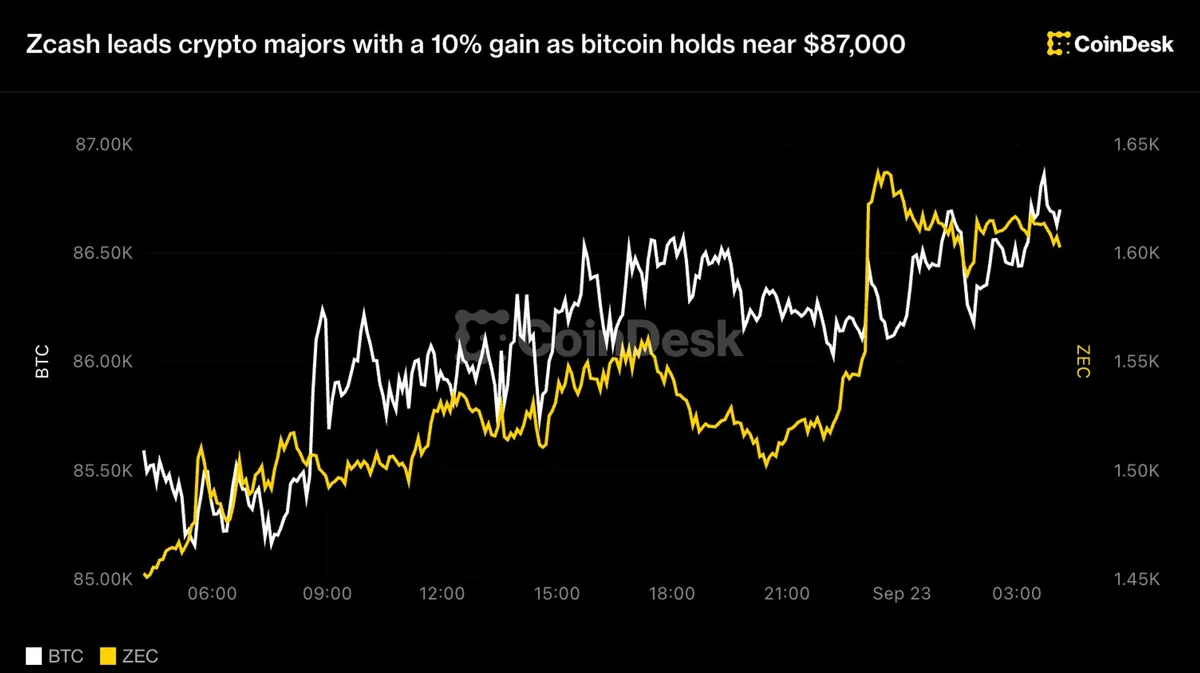
Zcash outperforms major cryptos with 10% gain as bitcoin nears $87,000