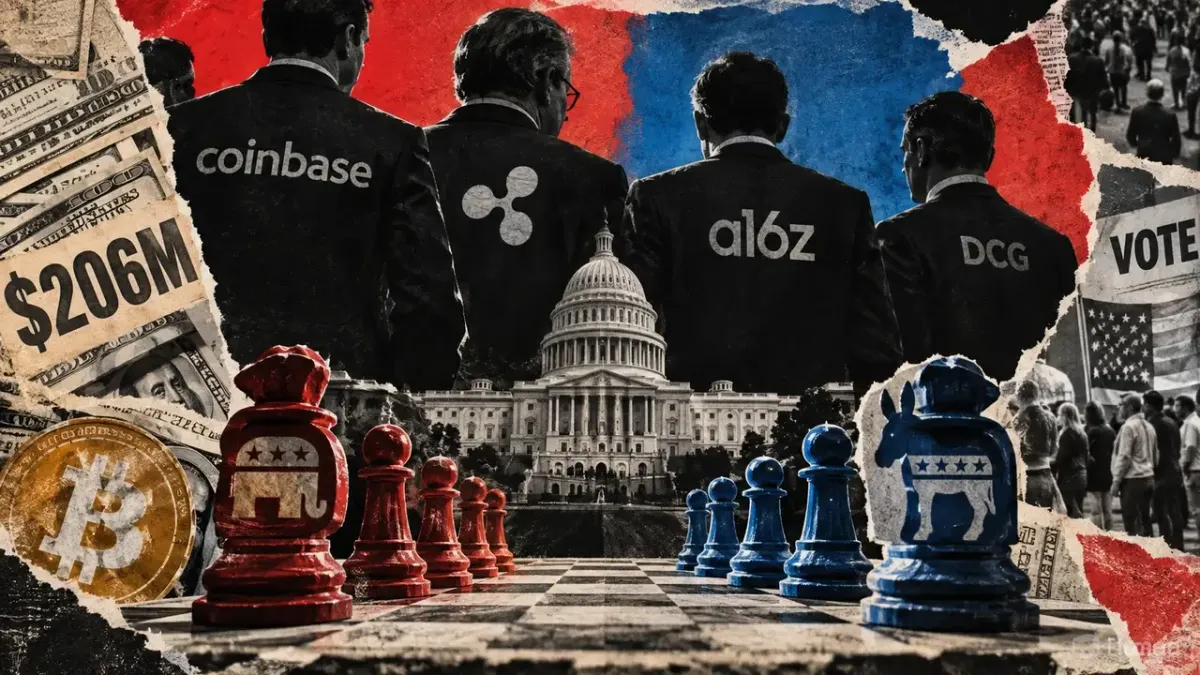
The Funding: Are crypto tokens trading at 90% discounts in secondary markets?

In recent months, the secondary markets for crypto tokens have witnessed a significant widening in the range of discounts, with some tokens reportedly trading at discounts as steep as 90%. This situation has raised eyebrows among investors and analysts alike, as it suggests a growing disconnect between the primary offerings of these tokens and their perceived value in the secondary markets. Various factors, including changes in market sentiment, regulatory scrutiny, and the overall downturn in the crypto market, have contributed to this phenomenon, prompting discussions about the implications for both individual projects and the industry as a whole.
To provide some context, the crypto market has been navigating a turbulent landscape in 2023, marked by increased regulatory oversight and a series of high-profile collapses within the industry. These challenges have led to a general decline in investor confidence, which is reflected in the current trading conditions of many tokens. Additionally, the influx of new projects and the proliferation of tokens have created an oversaturated market, where many offerings struggle to find demand. As a result, tokens that once held promise are now facing harsh realities in secondary markets.
The implications of these deep discounts are significant for the market. For investors, the opportunity to acquire tokens at such low prices may seem attractive, but it also raises concerns about the underlying health of the projects and the sustainability of their business models. The wide discounts may deter new investment, as potential buyers weigh the risk of purchasing tokens that are seemingly undervalued. Moreover, this trend could lead to increased volatility, as tokens with large price discrepancies become more susceptible to market manipulation and speculative trading.
Industry experts have weighed in on the situation, highlighting both the risks and opportunities that arise from these discounts. Some analysts view the current environment as a chance for savvy investors to acquire undervalued assets, while others caution that the steep discounts reflect deeper issues within the projects themselves. There is a growing consensus that in order for the market to stabilize, projects will need to demonstrate clear value propositions and robust use cases to regain investor confidence.
Looking ahead, the crypto industry may see shifts in how tokens are valued and traded in secondary markets. As the landscape continues to evolve, stakeholders will need to adapt to the changing dynamics, which could involve more transparency in token offerings and better communication from projects to their communities. Furthermore, regulatory frameworks may play a crucial role in shaping investor sentiment and ensuring a more stable market environment. As we continue to monitor these developments, it is clear that the current state of discounted tokens will have lasting implications for the future of cryptocurrency trading.

CoinMagnetic Team
Crypto investors since 2017. We trade with our own money and test every exchange ourselves.
Updated: April 2026
From our insights:
Related news
SEC's crypto counsel outlines strategy for custody of digital assets
Reap aims to enhance cross-border FX with non-USD stablecoins including peso
ECB and EU central banks propose liquidity thresholds for stablecoins

Four GOP senators backing CLARITY Act seek changes to stablecoin provisions
US investigates Binance for potential Iran-linked trading violations