CFTC sues Illinois, Arizona and Connecticut in escalating fight for jurisdiction over prediction markets
The Commodity Futures Trading Commission (CFTC) has taken a significant step in its ongoing battle for jurisdiction over prediction markets by filing a lawsuit against Illinois Governor JB Pritzker and the state itself. This legal action highlights the regulatory agency's intent to establish its authority in overseeing platforms that allow users to bet on the outcomes of various events, which has become an increasingly popular and contentious area in the crypto and finance sectors. The lawsuit emphasizes the CFTC's view that these markets should be regulated under its jurisdiction, asserting that the lack of oversight could lead to potential risks for consumers and investors.
To understand the implications of this lawsuit, it's essential to consider the broader context of regulation in the prediction market space. In recent years, prediction markets have gained traction as a way for individuals to speculate on outcomes ranging from political elections to sporting events. However, this has also raised questions about regulatory frameworks and consumer protection. The CFTC, which is traditionally responsible for overseeing futures and options markets, is now looking to extend its reach into this relatively new and rapidly evolving area. The agency's actions come amidst a backdrop of increasing regulatory scrutiny in the cryptocurrency and digital asset realms, as lawmakers and regulators aim to create a safer environment for participants.
This lawsuit matters not only for Illinois but also for other states and prediction market operators across the country. If the CFTC succeeds in asserting its jurisdiction, it could set a precedent for how prediction markets are regulated nationwide. This could lead to a more standardized regulatory approach, potentially fostering greater legitimacy and trust in these platforms. Conversely, if the CFTC's efforts are met with resistance or legal challenges, it could create uncertainty and hinder the growth of the prediction market sector, as states may be reluctant to navigate conflicting regulatory frameworks.
Reactions from industry experts and stakeholders have been mixed. Some view the CFTC's move as a necessary step toward ensuring consumer protection and market integrity, while others argue that it could stifle innovation and limit the potential of prediction markets. Proponents of regulation emphasize the importance of oversight to prevent fraud and manipulation, while opponents warn that heavy-handed regulation could push these markets underground or drive them to more lenient jurisdictions. As this legal battle unfolds, it will be crucial for industry participants to monitor the outcome and its implications for their operations.
Looking ahead, the lawsuit will likely draw significant attention as it progresses through the legal system. Both the CFTC and the state of Illinois will present their arguments, and the outcome could influence how other states approach prediction markets. Additionally, this case may prompt further discussions among regulators about the need for comprehensive guidelines and regulations tailored specifically for prediction markets. As the landscape evolves, stakeholders will need to stay informed and engaged to navigate the potential changes that lie ahead.

CoinMagnetic Team
Crypto investors since 2017. We trade with our own money and test every exchange ourselves.
Updated: April 2026
From our insights:
Related news
Iran hints at reopening Strait of Hormuz, WTI oil drops to $89

New altseason signal emerges as Bitcoin market cap stays under 60%

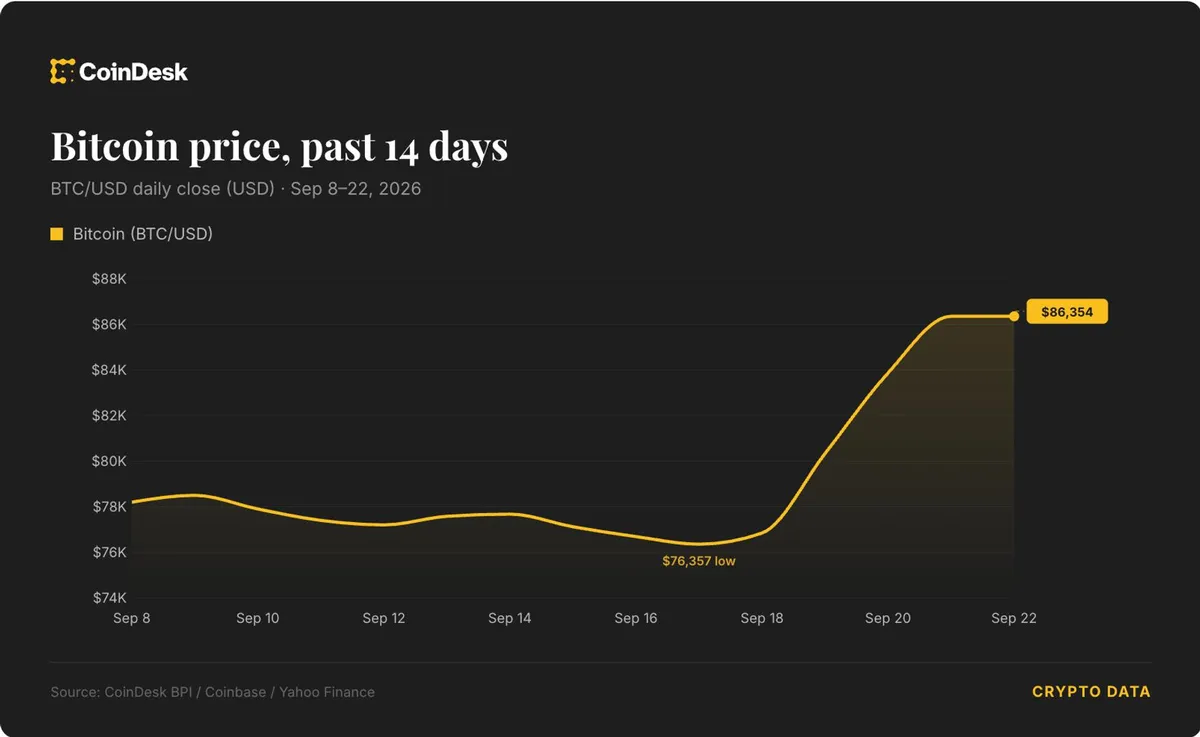
Bitcoin nears $86,000 as crypto market cap surpasses $3 trillion

Bitcoin's weekly close above $81,000 signals potential rise to $90,000

Elon Musk's X integrates bitcoin trading options for U.S. users