CFTC probes oil futures trades tied to Trump's moves in Iran: Report

The Commodity Futures Trading Commission (CFTC) is currently probing a series of oil futures trades that appear to be closely tied to significant geopolitical events, specifically actions by former President Donald Trump concerning Iran. Reports indicate that the investigation is focusing on trades executed prior to the U.S. postponement of strikes on Iranian energy infrastructure on March 23, followed by a ceasefire agreement reached on April 7. The inquiry aims to determine whether any market manipulation or insider trading occurred in the lead-up to these pivotal decisions, which had direct implications for oil prices and market stability.
To understand the context, it is essential to recognize the volatile landscape of oil futures trading, particularly in relation to geopolitical developments. The U.S. has historically maintained a contentious relationship with Iran, and any actions or announcements regarding military engagements can lead to rapid shifts in market sentiment. The delay of military strikes and the subsequent ceasefire were significant moments that likely influenced oil supply expectations, thereby affecting futures contracts. The CFTC's scrutiny of trades during this critical period highlights the intersection of political actions and market behavior, raising questions about transparency and regulation in commodities trading.
This investigation matters for the broader market as it underscores the potential for regulatory oversight in scenarios where political events intersect with financial markets. If the CFTC finds evidence of misconduct, it could lead to heightened scrutiny of trading practices and increased regulatory measures aimed at preventing manipulation. Such developments could not only impact investor confidence but also influence how traders approach futures markets in the context of geopolitical events. The oil market, being particularly sensitive to news and political changes, could see increased volatility if the findings of this investigation prompt a wave of regulatory changes.
The industry reaction to this probe has been mixed, with some experts expressing concern over the implications for market integrity. Analysts have pointed out that while the CFTC's role is to protect market participants, rigorous investigations can also create an atmosphere of uncertainty that may deter trading activity. Others argue that this scrutiny is essential for maintaining trust in the markets, as it holds traders accountable and ensures that all participants are operating on a level playing field. As the investigation unfolds, stakeholders from various sectors of the oil and commodities markets will be closely monitoring developments to gauge potential impacts on trading strategies and market dynamics.
Looking ahead, the CFTC's findings could pave the way for more stringent regulations governing oil futures trading, particularly in relation to political events. Should the investigation reveal any wrongdoing, it may prompt not only punitive measures against individuals or firms involved but also a reevaluation of how oil futures markets are regulated overall. As the situation develops, market participants will need to remain vigilant and adaptive to any regulatory changes that may arise as a result of this high-profile investigation.

CoinMagnetic Team
Crypto investors since 2017. We trade with our own money and test every exchange ourselves.
Updated: April 2026
From our insights:
Related news
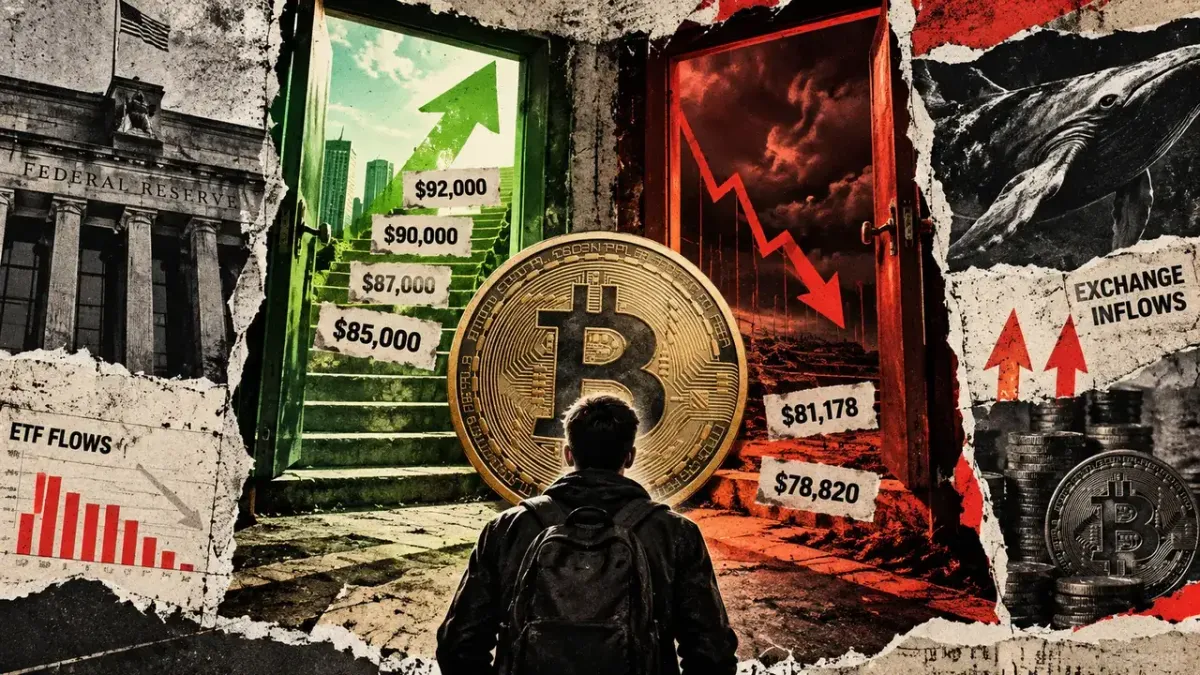
Bitcoin's weekly close above $81,000 signals potential rise to $90,000

Elon Musk's X integrates bitcoin trading options for U.S. users
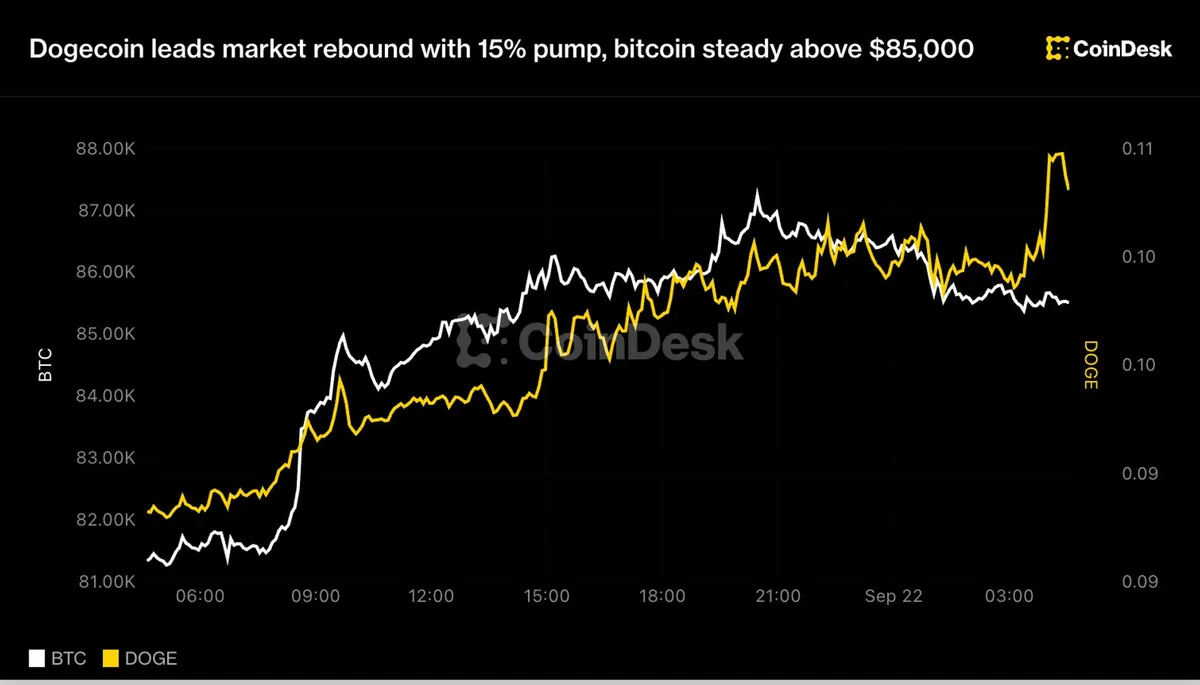
Dogecoin's 15% surge drives market recovery as bitcoin stabilizes above $85,000

Cardano adds tools for AI agent payments, joining Solana and XRP Ledger

Trueo prediction market moves from Base to Ethereum